Lumitex
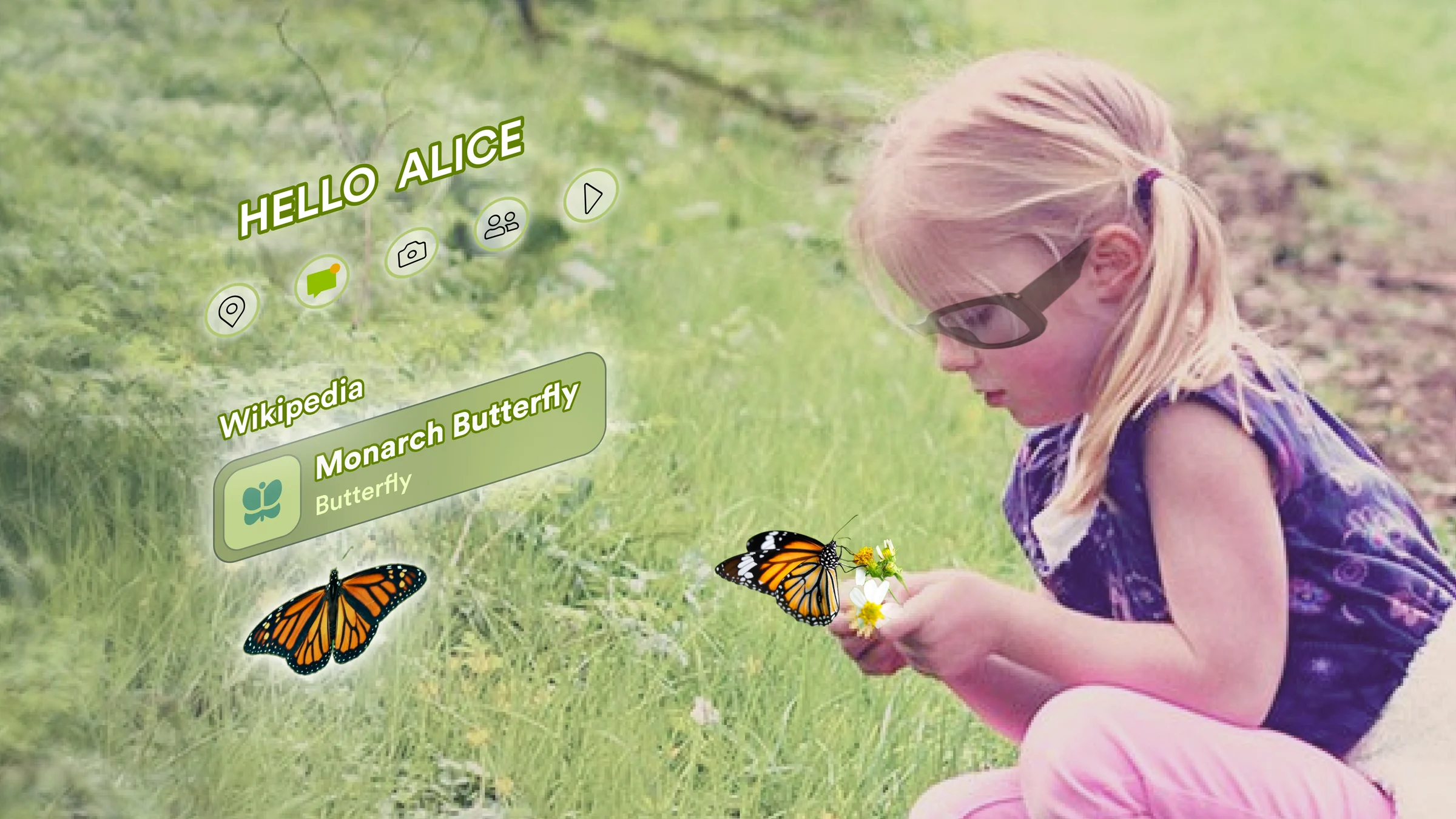
An untested AR reading-support concept for children with dyslexia, informed by interviews and an oral survey at a school in Hangzhou.
- Reality Composer
- Nomad
- Procreate
- Figma
- Timeline
- Sep 2023 – Nov 2023
- Role
- Research, interaction design, and visual prototyping
- Outcome
- Four-mode AR concept and visual mockups
Section
Three perspectives changed the brief
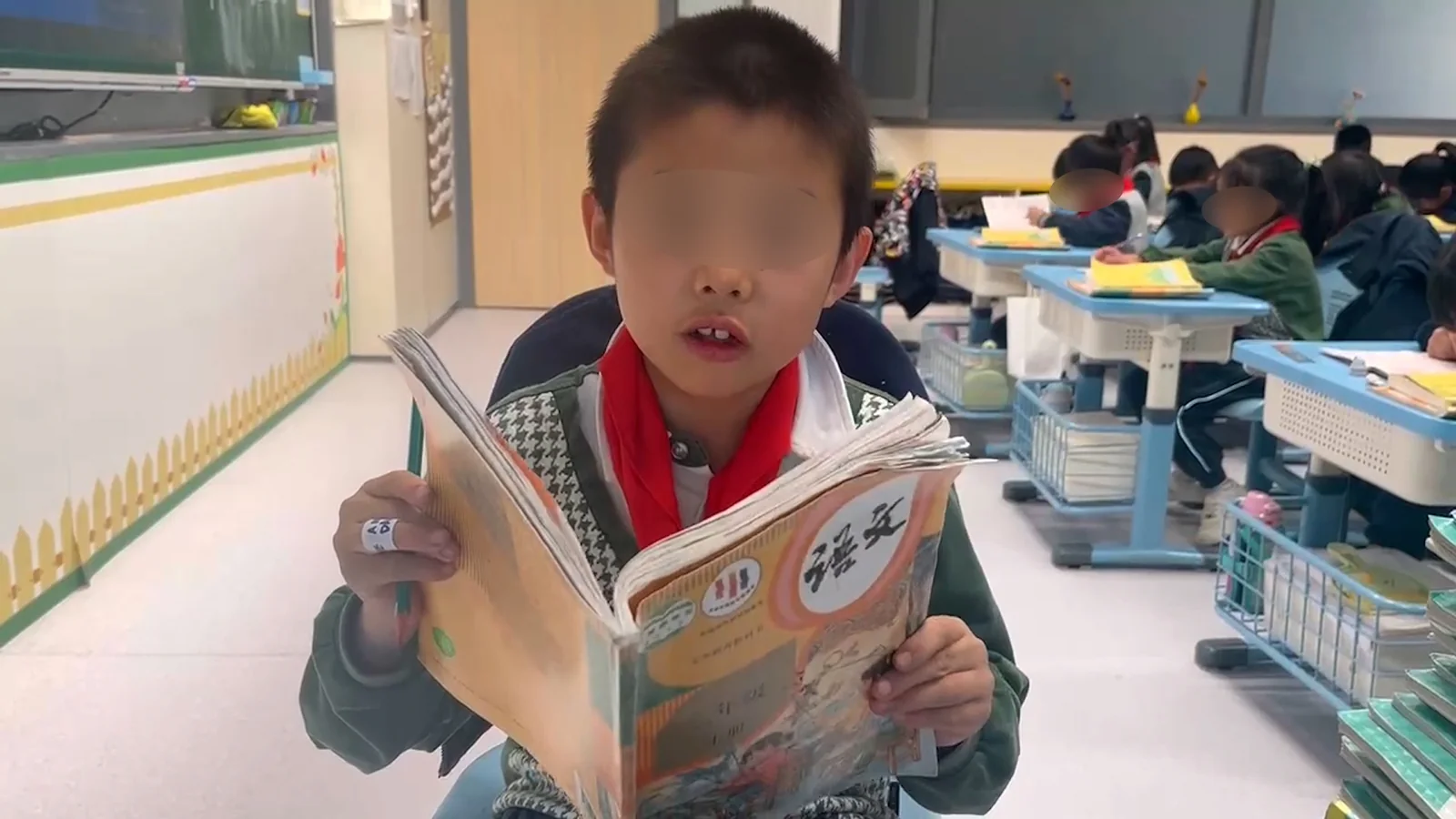
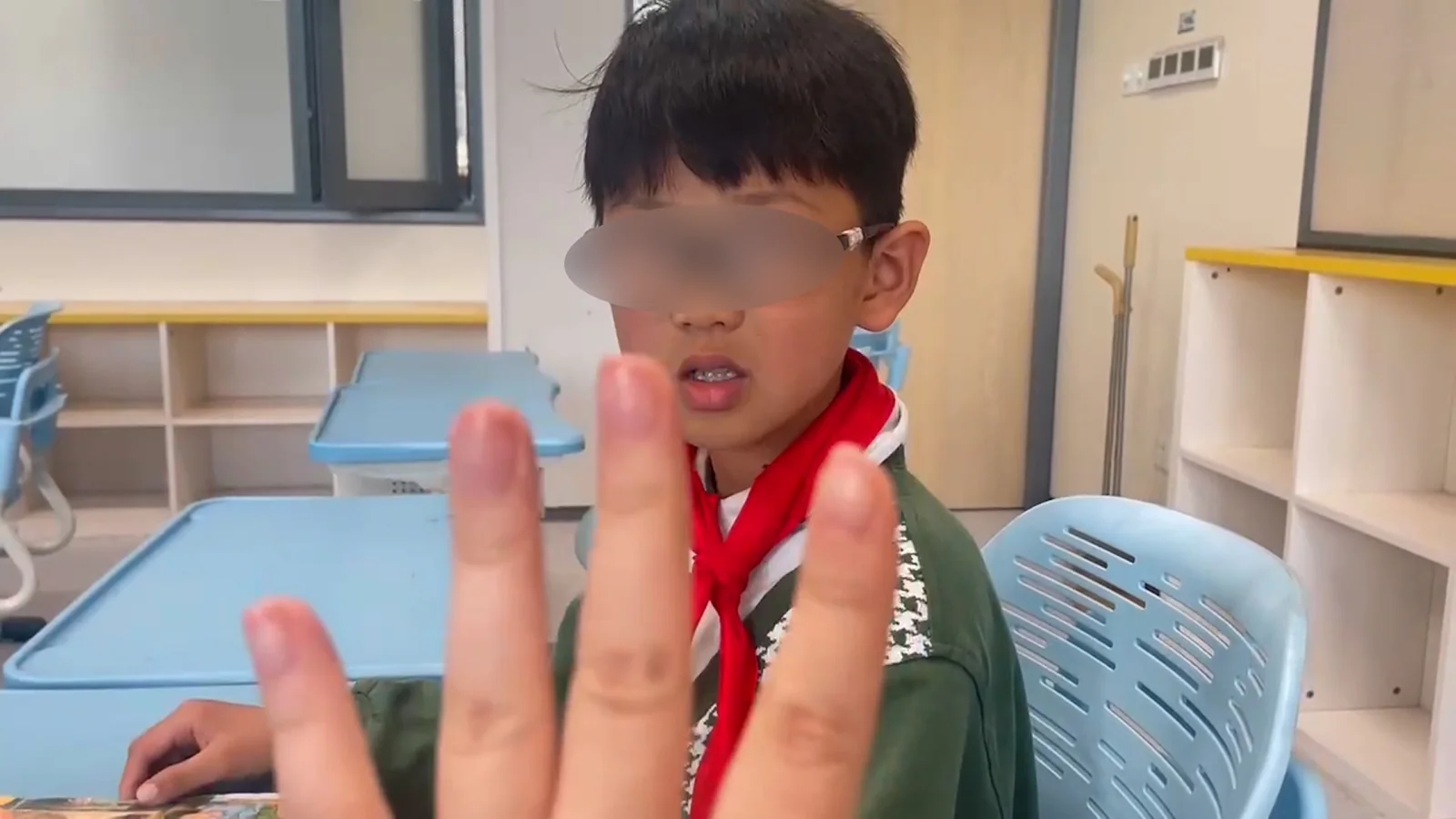
I interviewed an adult with dyslexia, a child with dyslexia, and the child’s mother. I also conducted an oral survey at a primary school in Hangzhou, where children and parents answered together.
“I hope that parents will create an environment in which their children can build up their self-confidence.”
Adult with dyslexia, 22
“I keep asking myself why others can remember words at a glance, but I have to memorize them forty or fifty times.”
Child with dyslexia, 11
“I can understand him, but others can’t. As parents, we can only try our best to protect him.”
The child’s mother, 43
I chose these perspectives to explore reading difficulty, confidence, and the support surrounding a child. I used them to frame two directions: immediate help during reading and activities for practice and confidence building.
Assisting the page, not replacing it
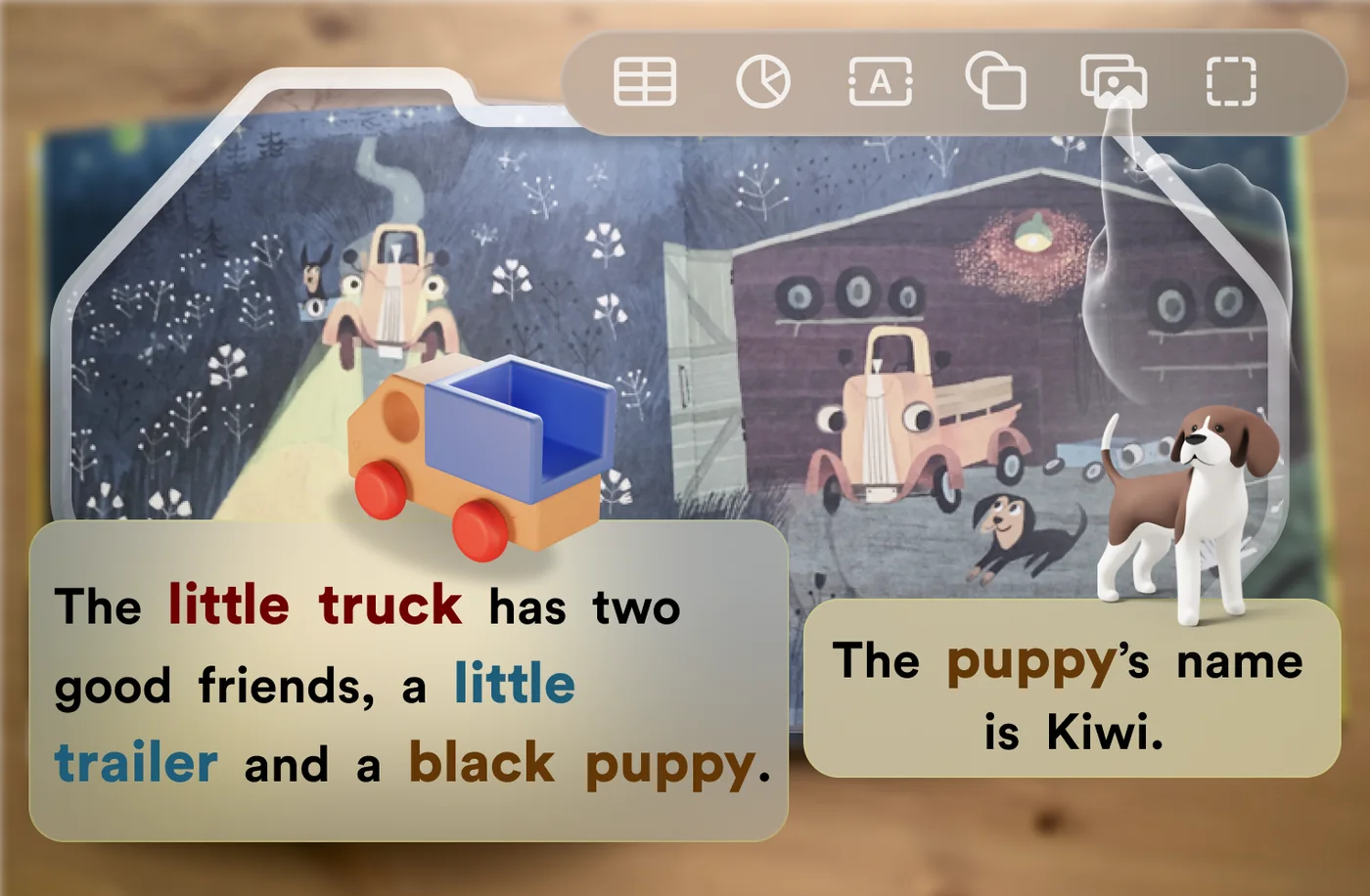
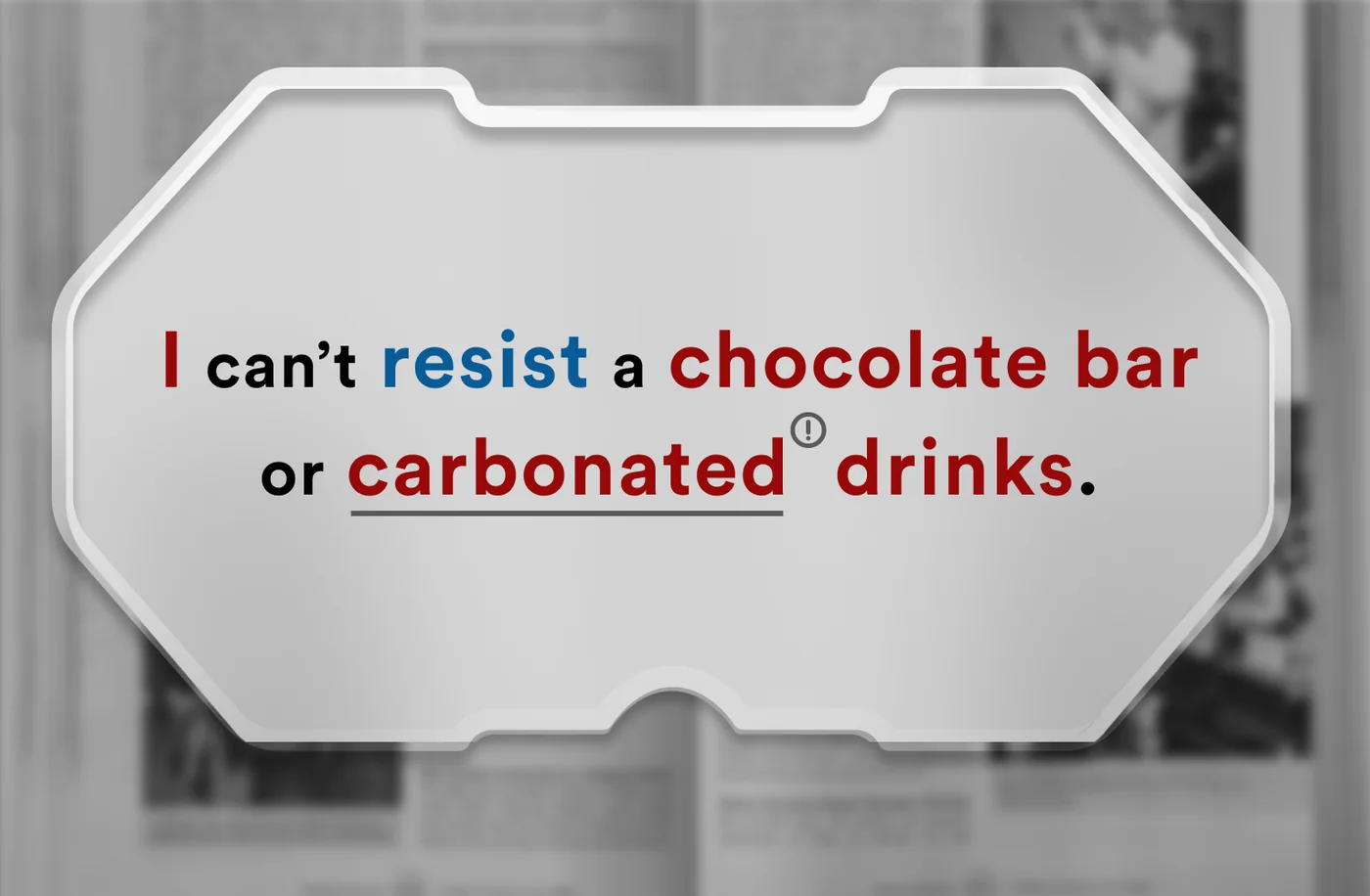
I chose AR to explore support on the physical reading surface. A separate app would move the text away from the book; an overlay could add assistance while keeping the page in place.
The Reading and Focus mockups show two ways of adding support to the page. I used English demonstration text because the project was prepared for overseas graduate-school applications.
Where the concept outgrew the evidence
In hindsight, I spread the concept too far. The information architecture grew to four modes and 18 proposed features, and I stopped short of a version a child could try.
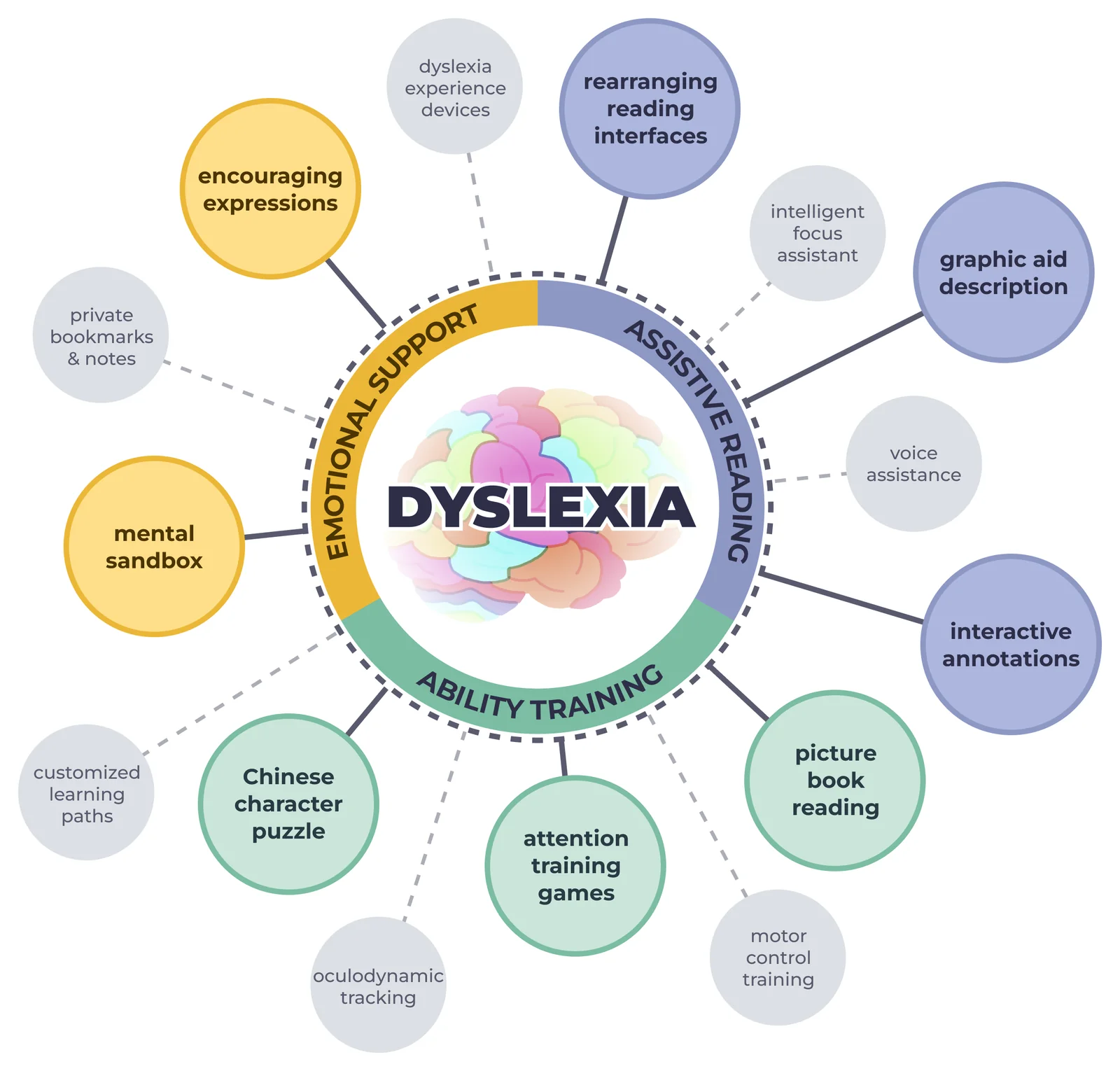
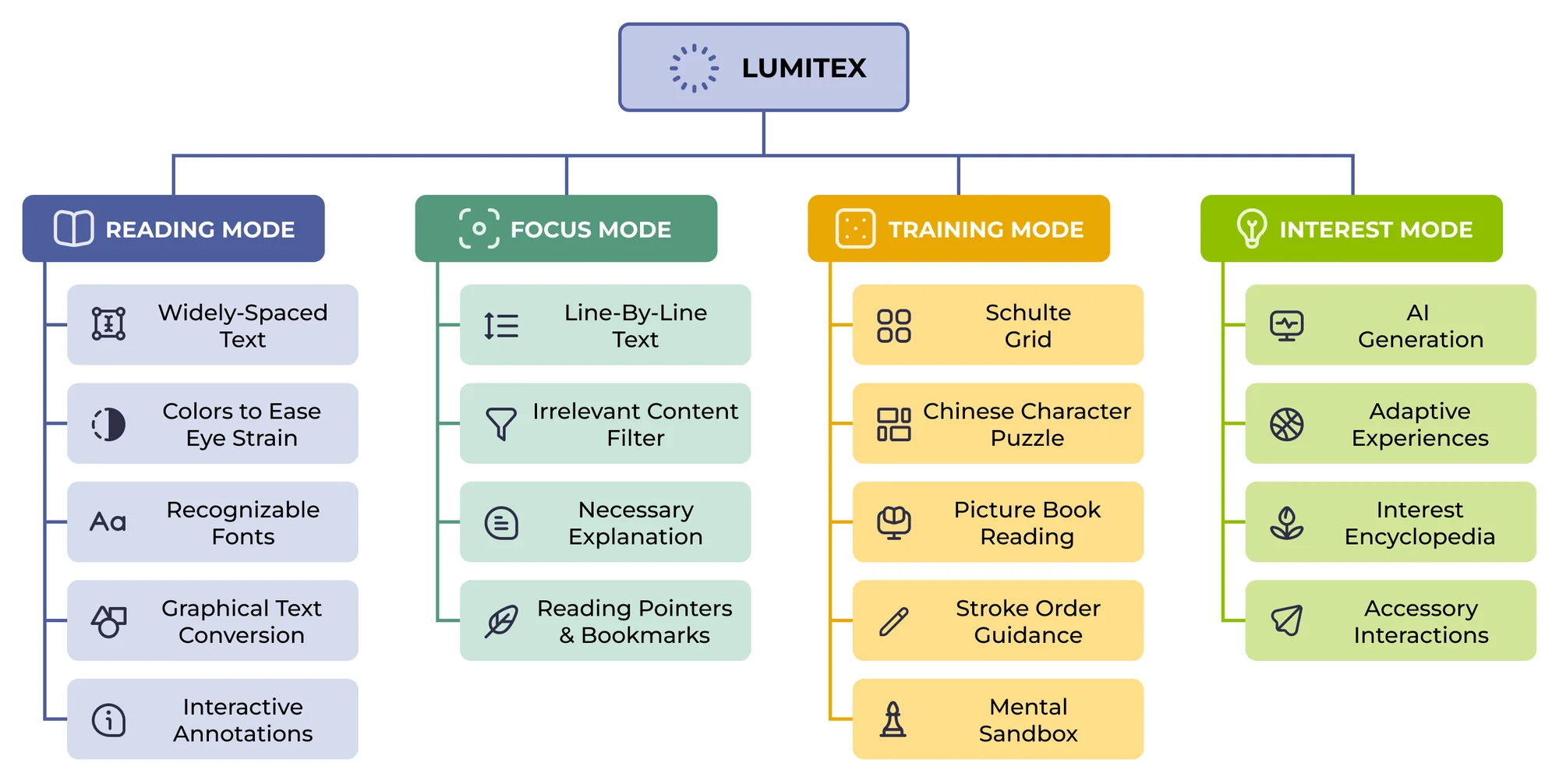
I did not test the concept with children or validate AR hardware feasibility. If I revisited the project, I would develop and test Reading and Focus first, using a smaller set of functions to assess the basic reading task.
Training and Interest Modes
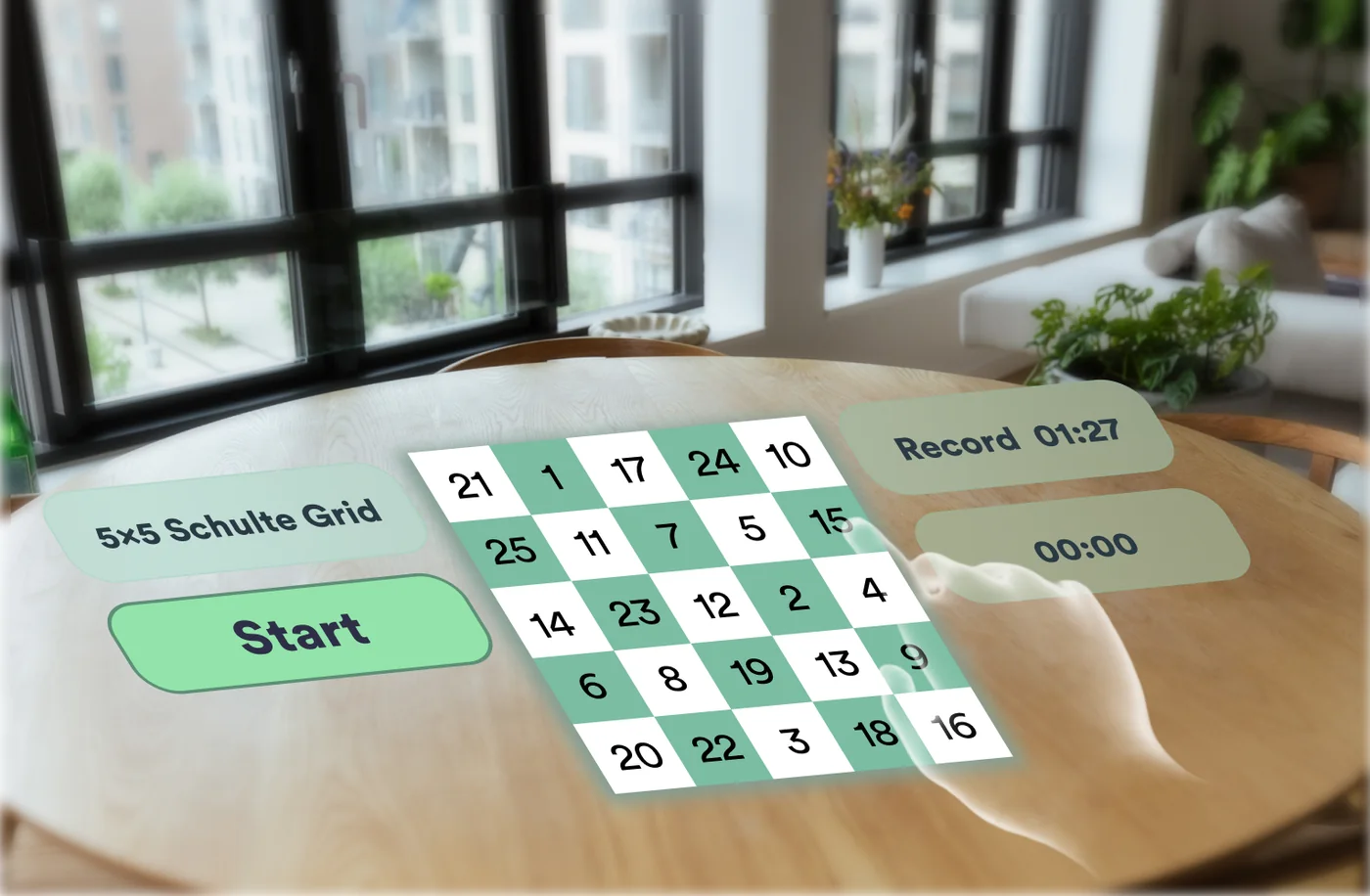
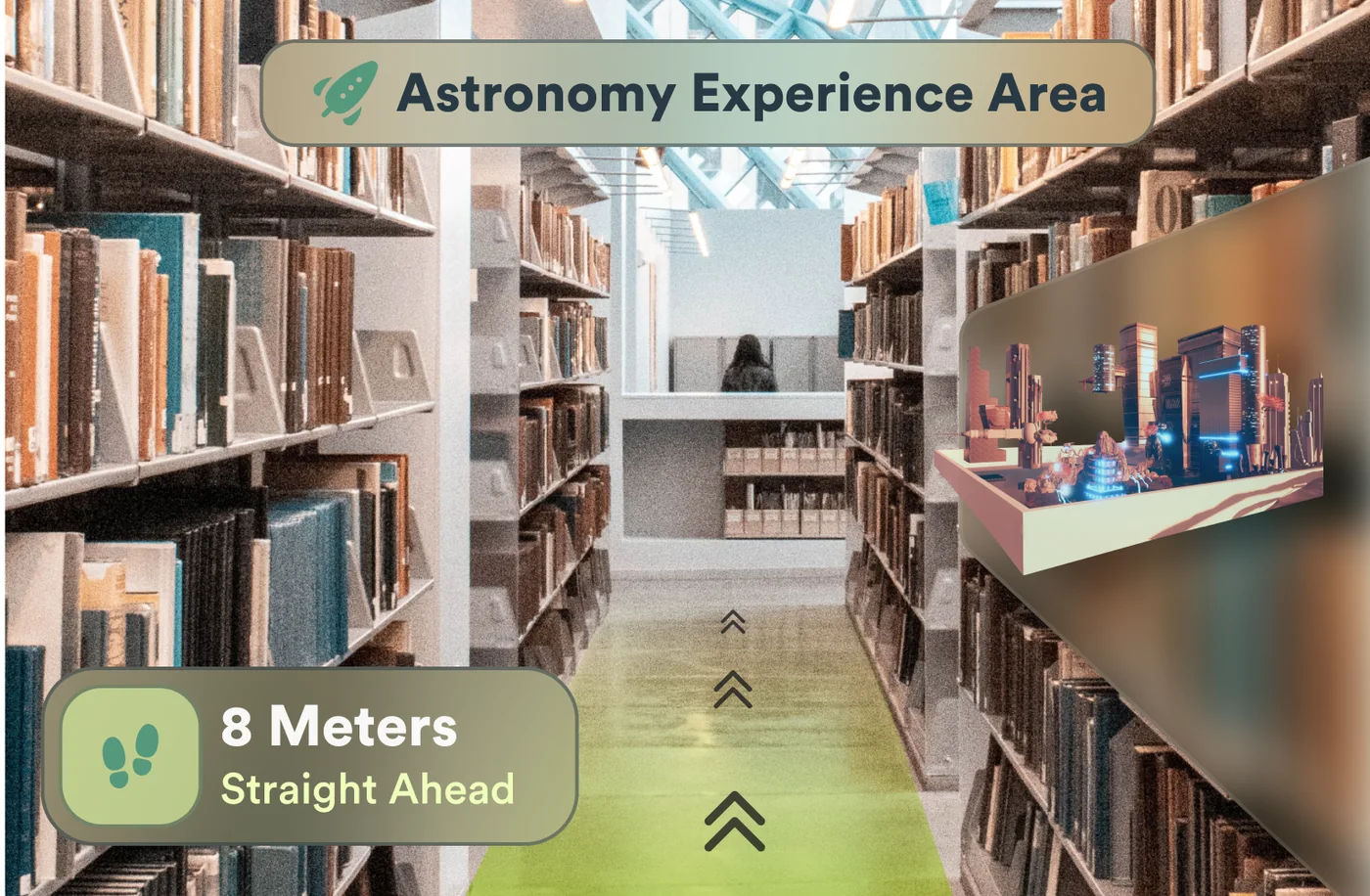
Training and Interest extended the concept into activities and learning beyond the reading page. These additional mockups document the broader scope.
Credits
- Skills
- Information design
- User research
- Interaction design
- Accessibility design
- Visual prototyping
- Tools
- Figma
- Reality Composer
- Nomad
- Procreate
- Roles
Design and research
- Zhuoqi Liu
Portfolio guidance
- Vince Ye
- Note
The AR scenes are my own compositions, built partly from sourced base imagery.