Nightmare of Moonglade
A 130-card fan-made Hearthstone expansion translating a Warcraft story into keywords, class pairings, and card rules.
- Excel
- Adobe Photoshop
- Timeline
- Sep 2020 – Mar 2021
- Role
- Game systems design and rules writing
- Outcome
- 130-card Hearthstone fan expansion
Section
Nightmare of Moonglade is a fan-made expansion based on World of Warcraft: Stormrage. I designed the card rules, class pairings, costs, and stats, and built the 130-card set in Excel and Adobe Photoshop.
The setting, interface, and card frames are Blizzard Entertainment’s; the illustrations are sourced artwork. Full attribution appears in the Credits.
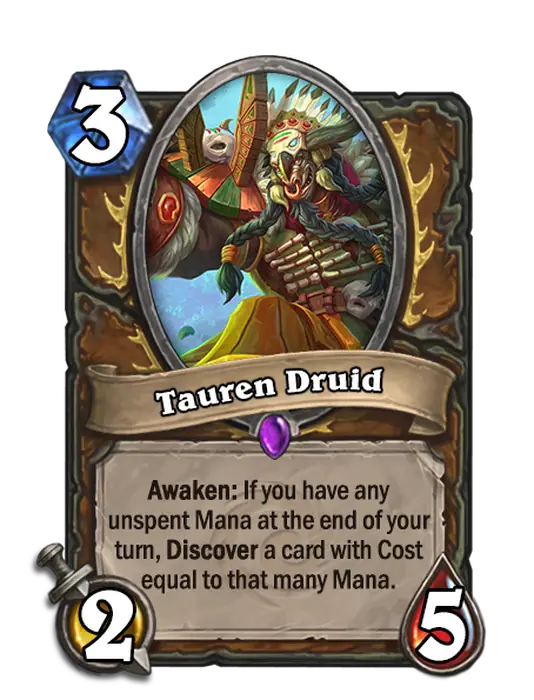
Awaken: using the End Turn signal
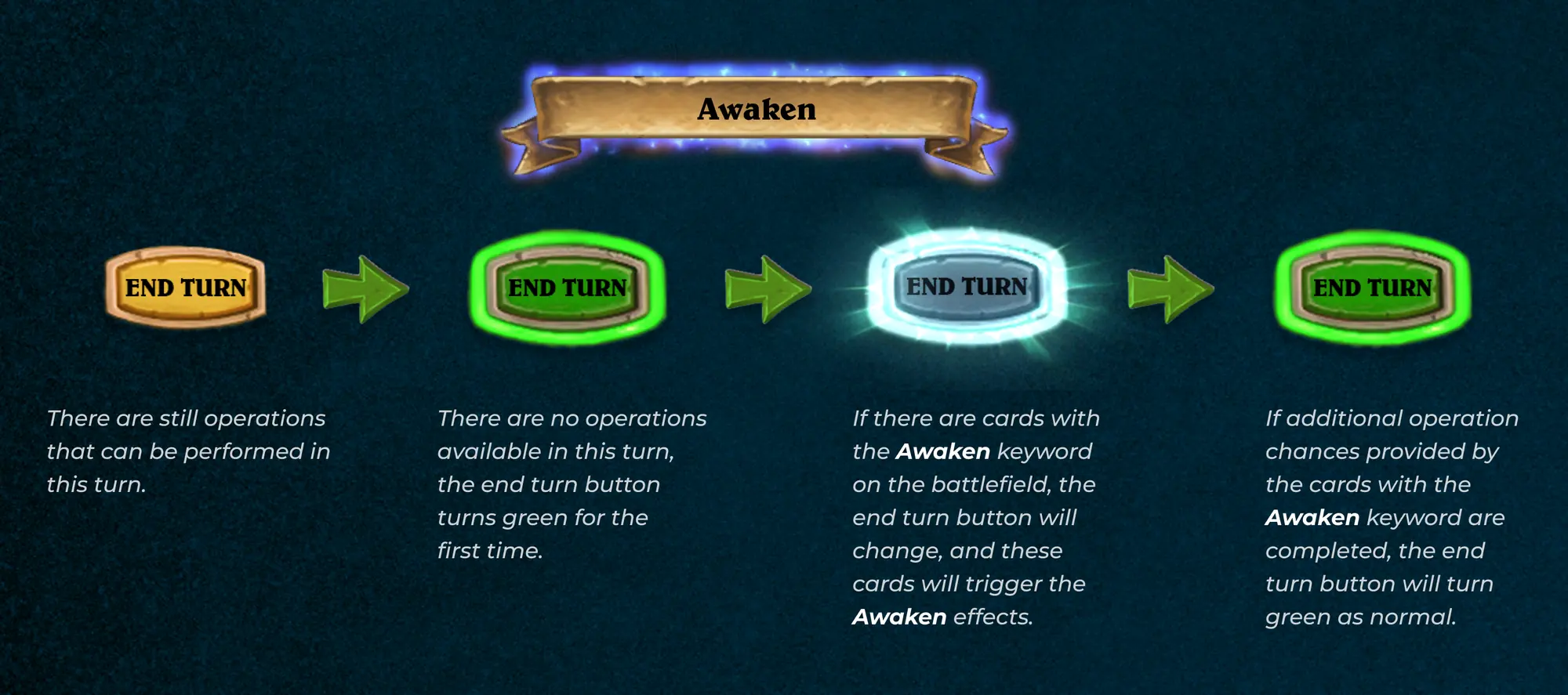
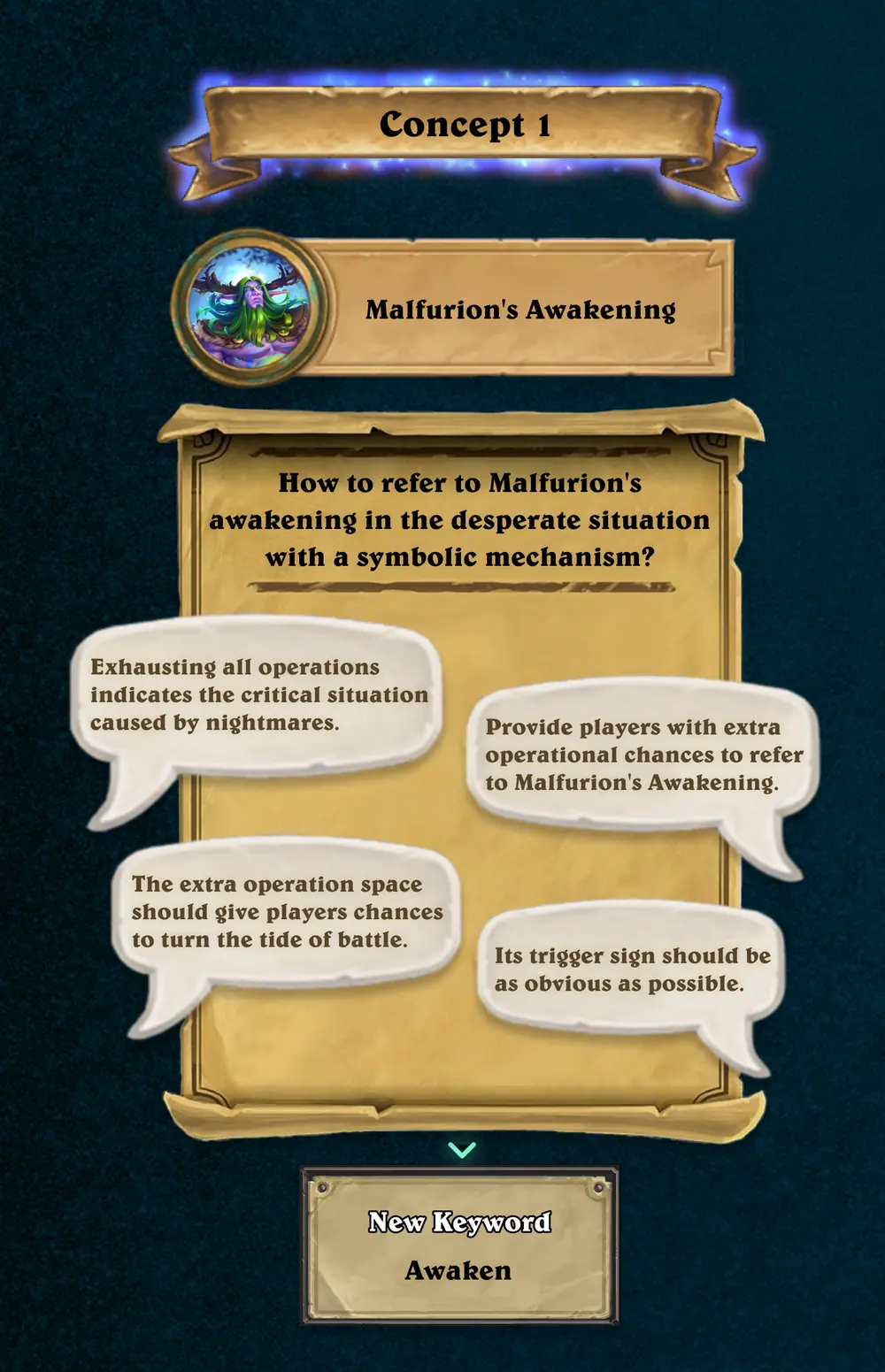
In the novel, Malfurion sleeps in the Emerald Dream while the nightmare spreads across the world. I wanted Awaken to connect his awakening to a moment when the player has run out of available actions.
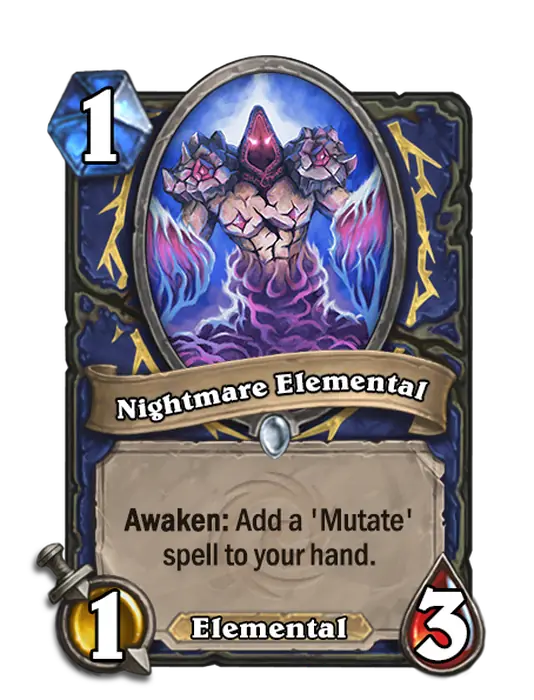
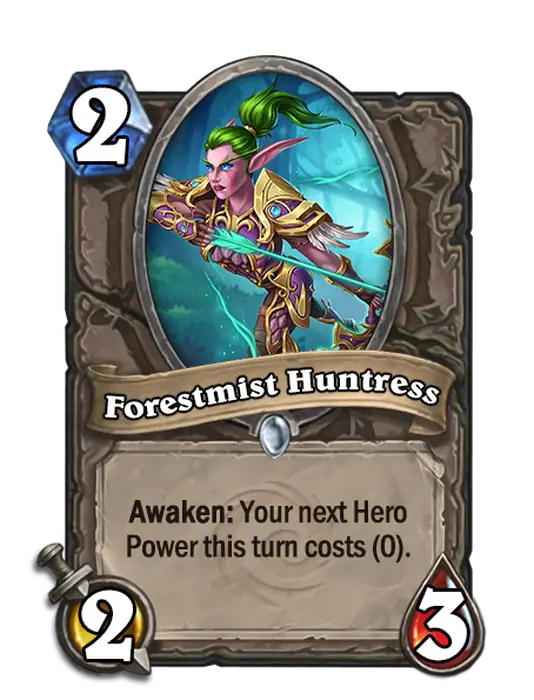
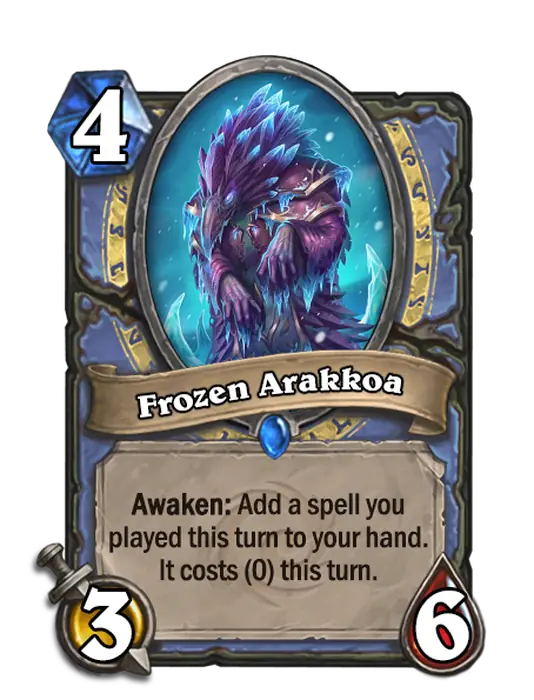
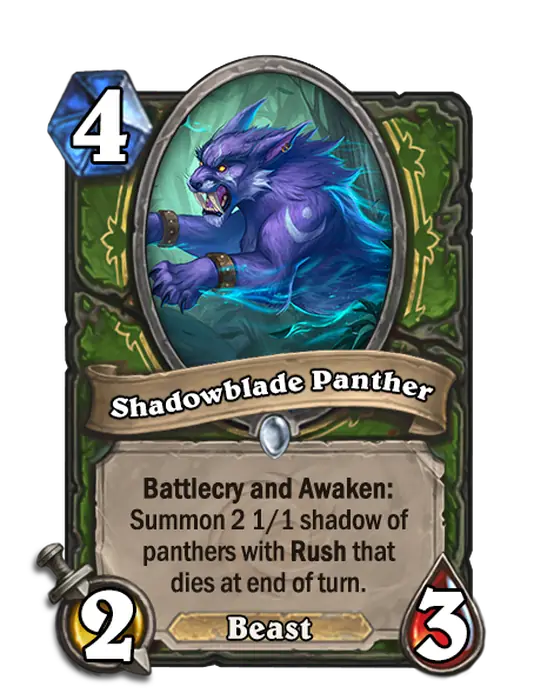
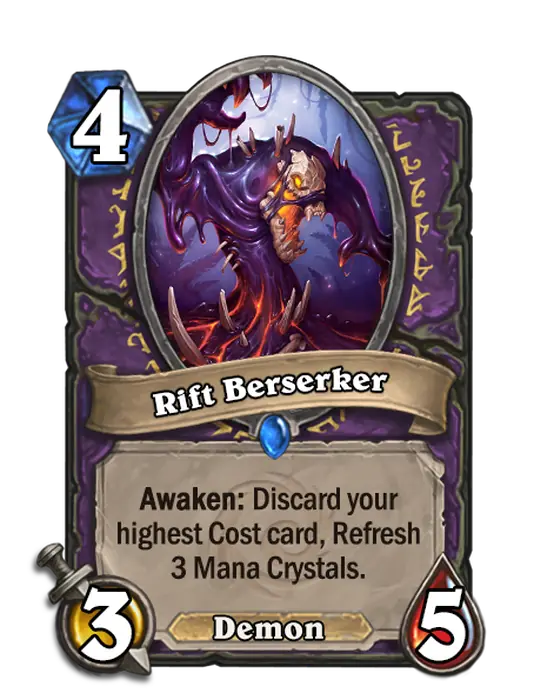
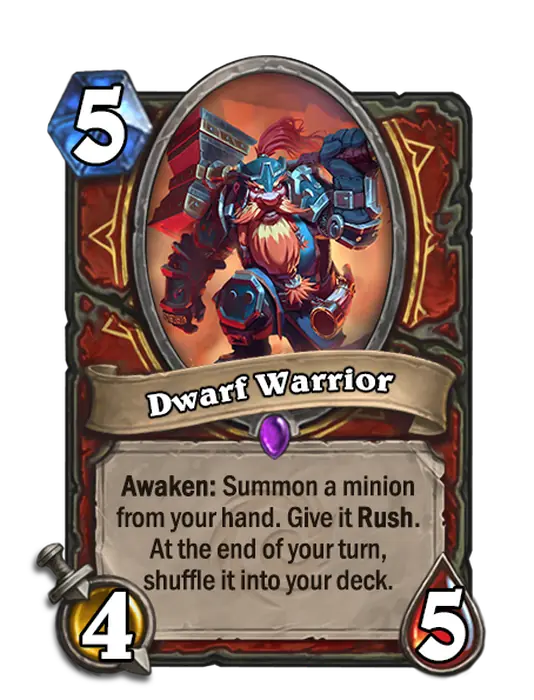
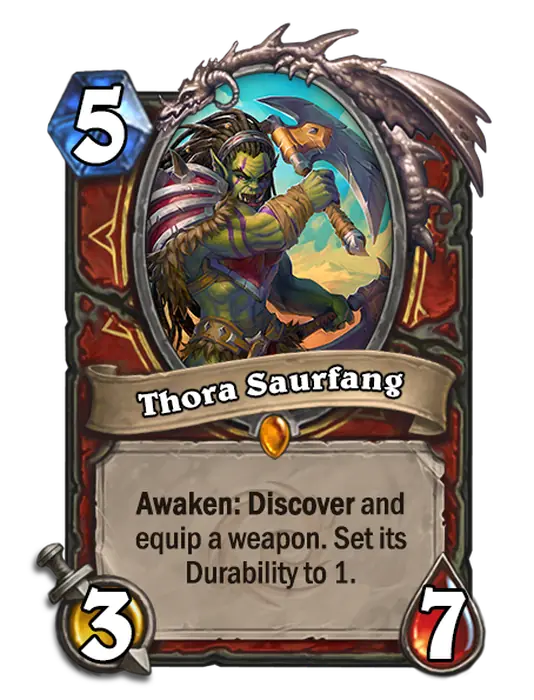
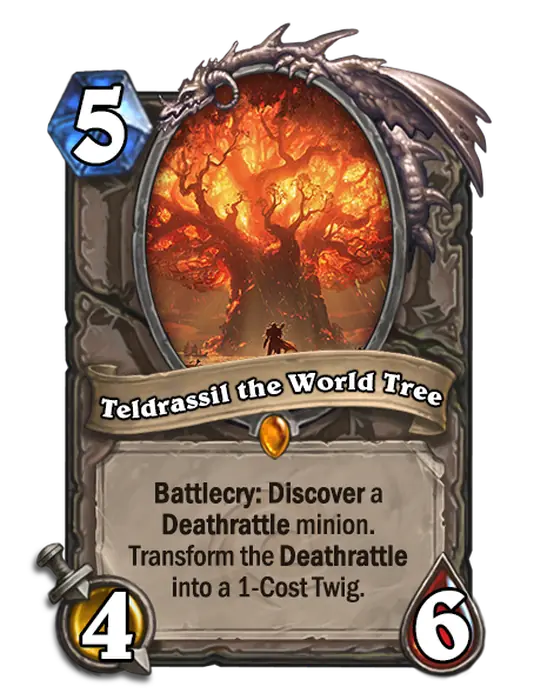
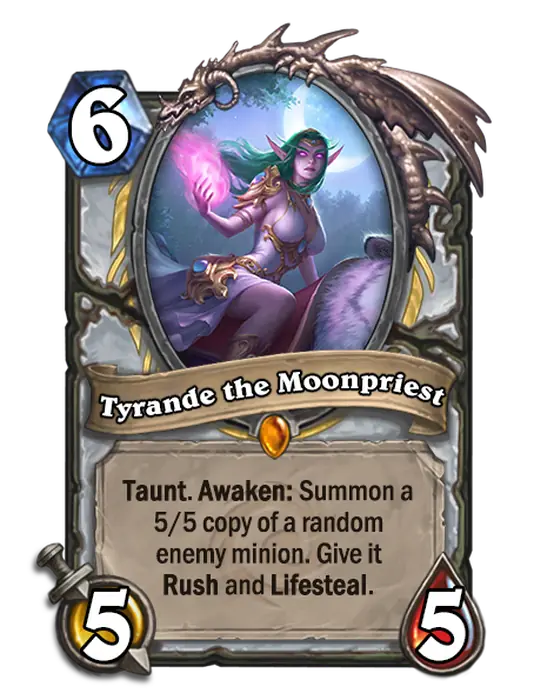
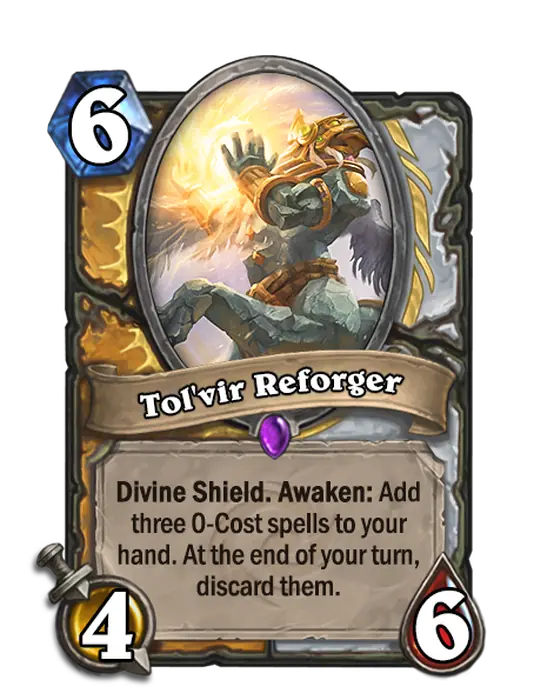
Awaken triggers the first time the End Turn button turns green each turn. Cards with the keyword then provide an additional effect, potentially opening up more actions. I chose the existing button state as a visible cue, with the aim of making the trigger easy to recognize.
Story and mechanic concepts
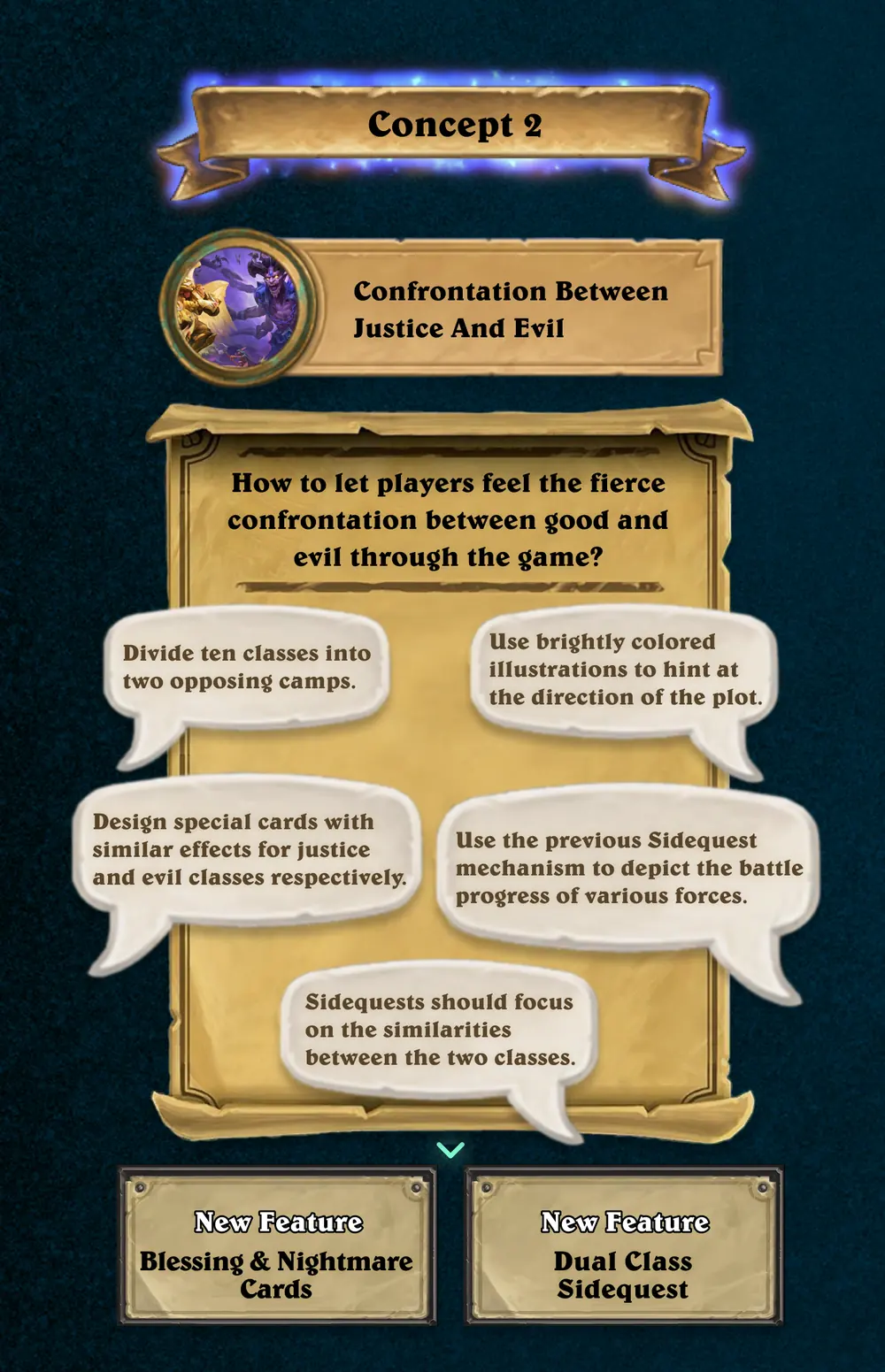
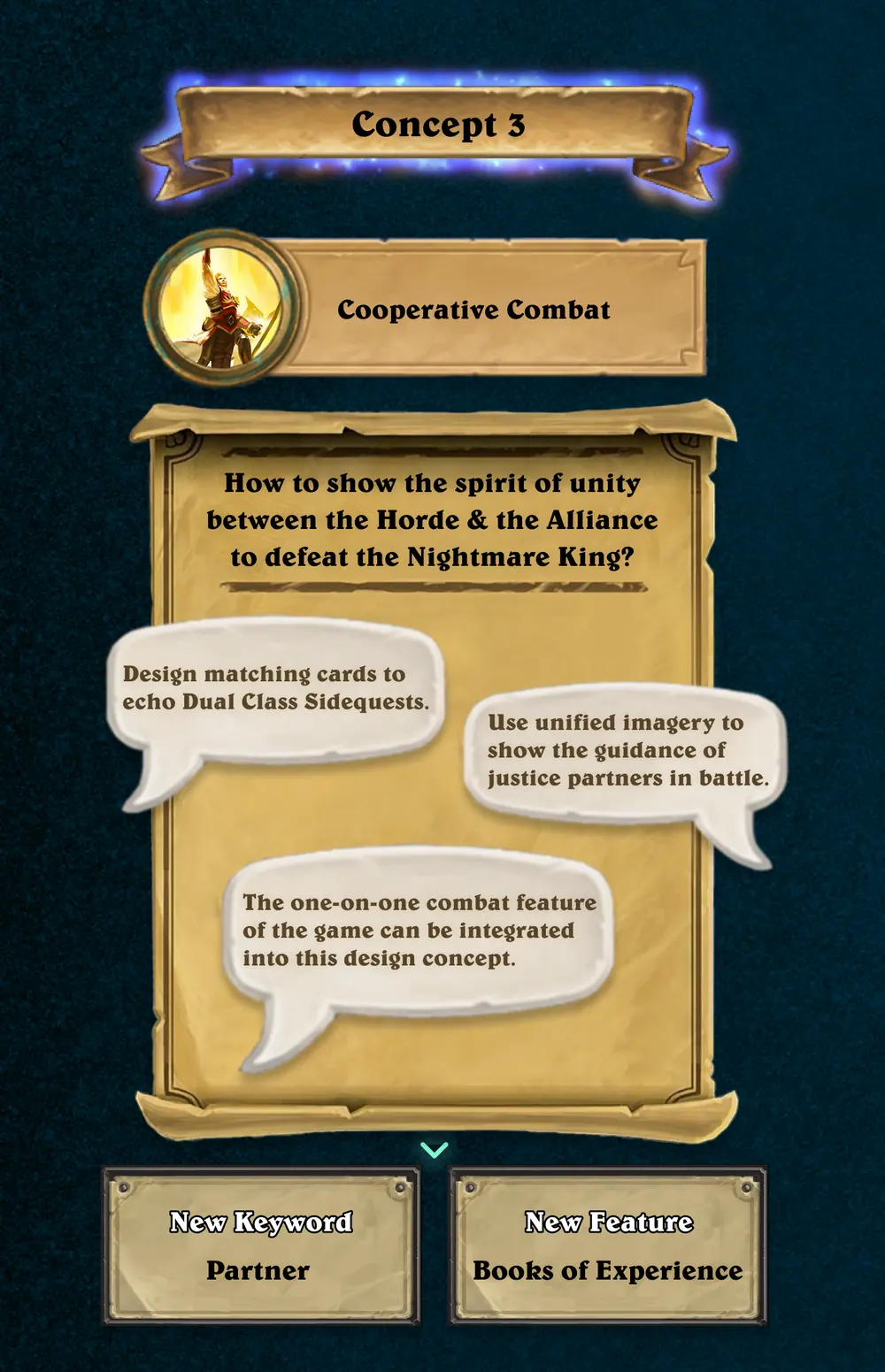
I used three story situations to guide the rules: Malfurion’s awakening, opposing camps, and temporary cooperation between factions. The concept boards connect those situations to Awaken, Blessing and Nightmare cards, dual-class Sidequests, and Partner.
Class pairings and card design
I split the 10 classes into two story-based camps: six resisting the nightmare and four aligned with it. I mapped each class’s strengths and shared mechanics in worksheets, then used that overlap and the card allocation to choose cards for five class pairs.
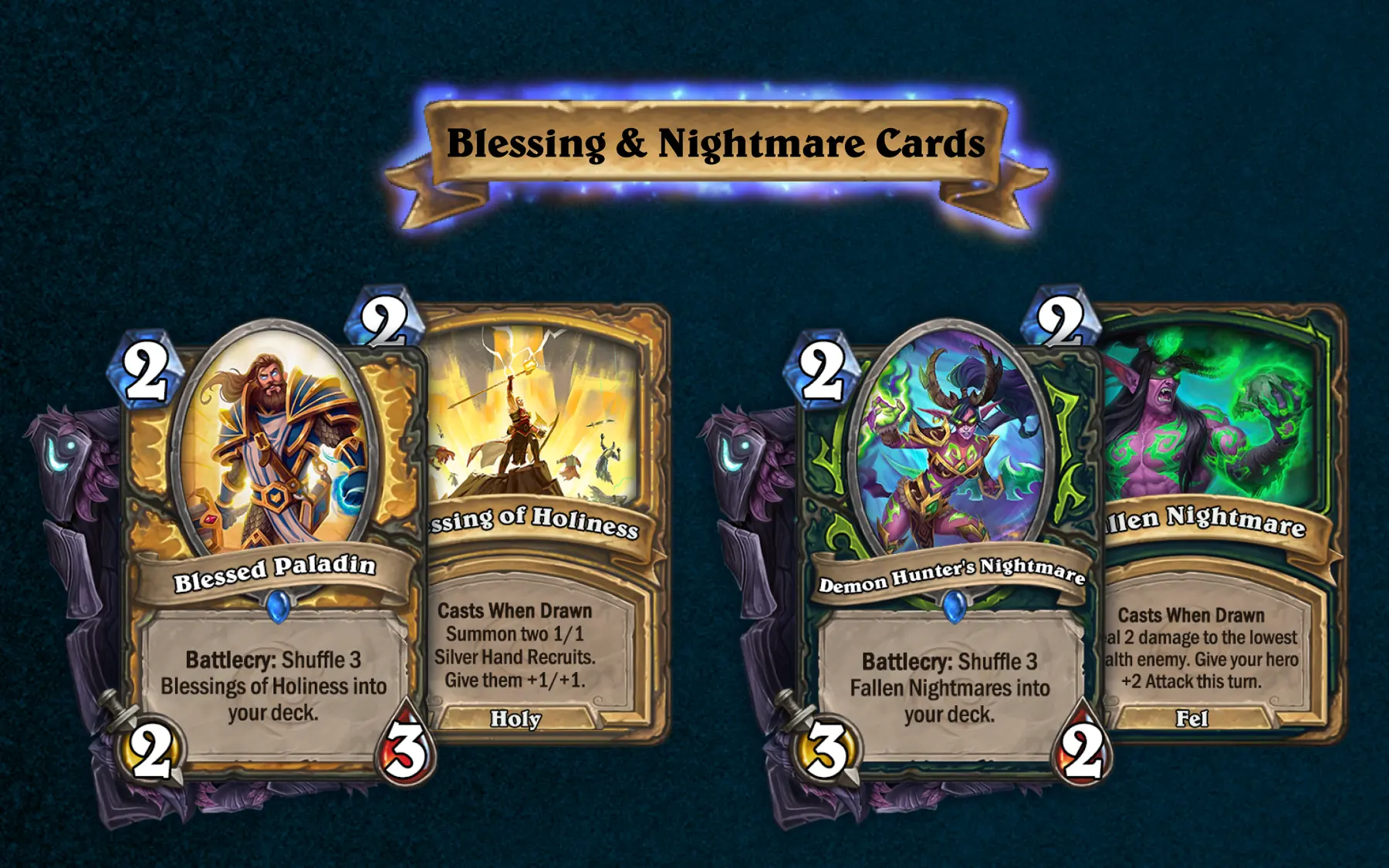
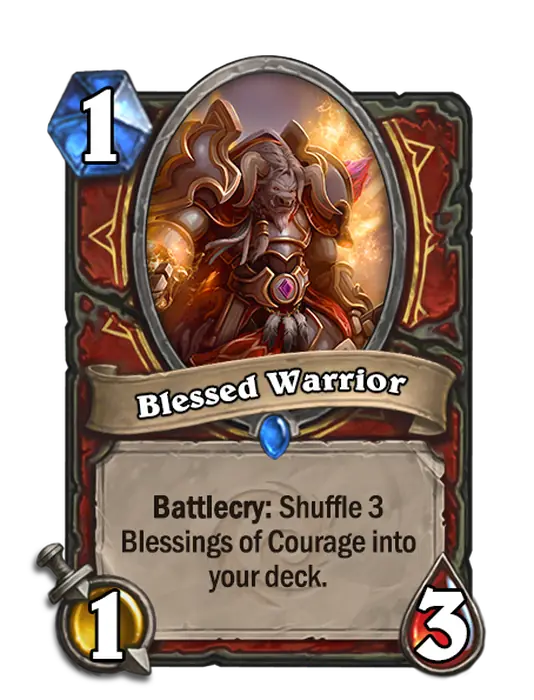
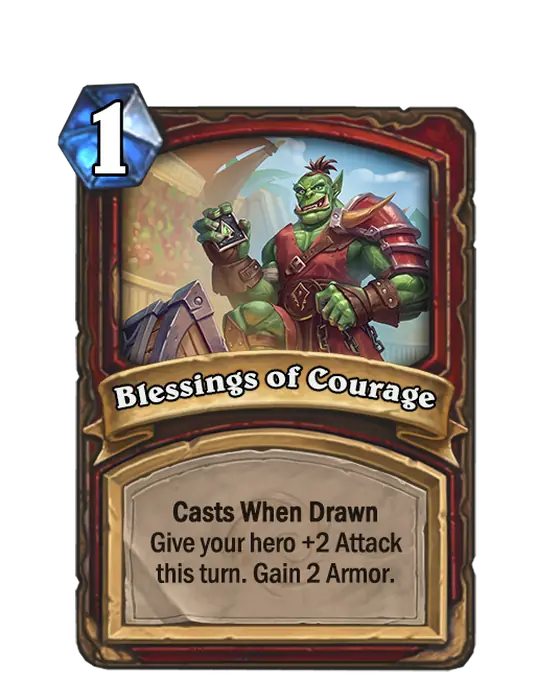
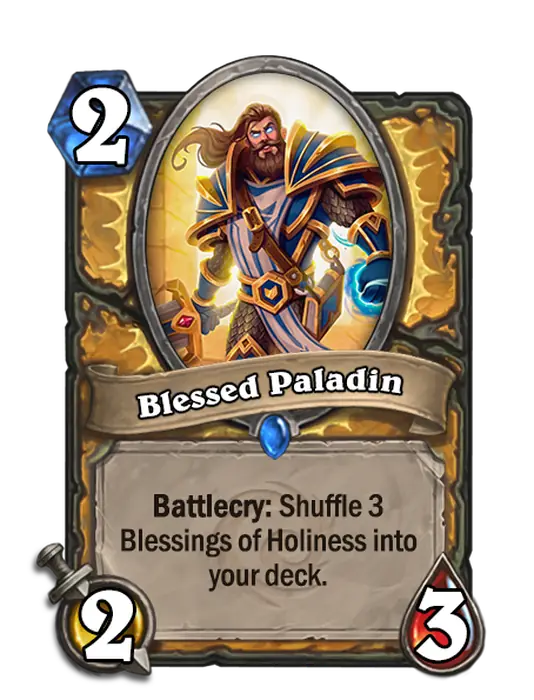
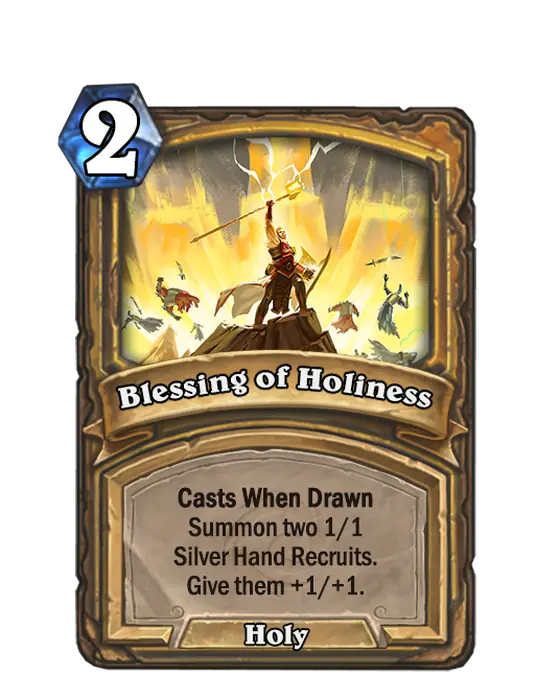
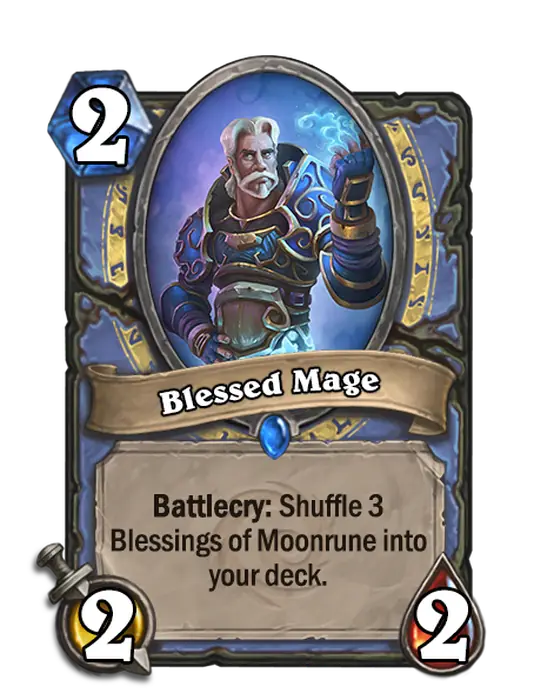
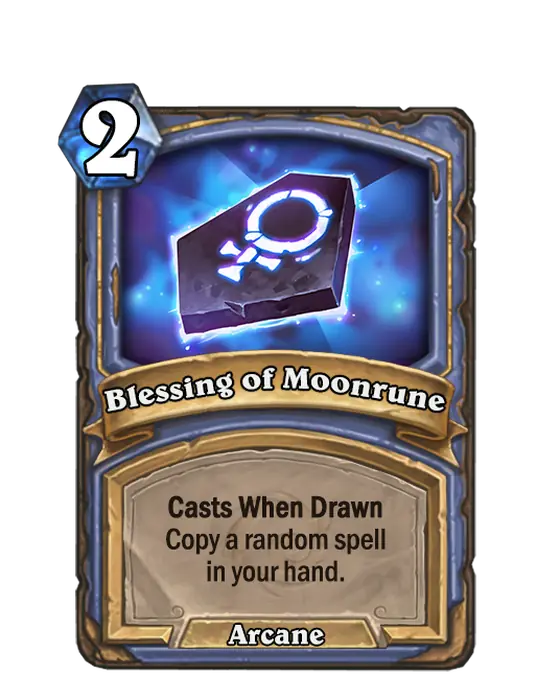
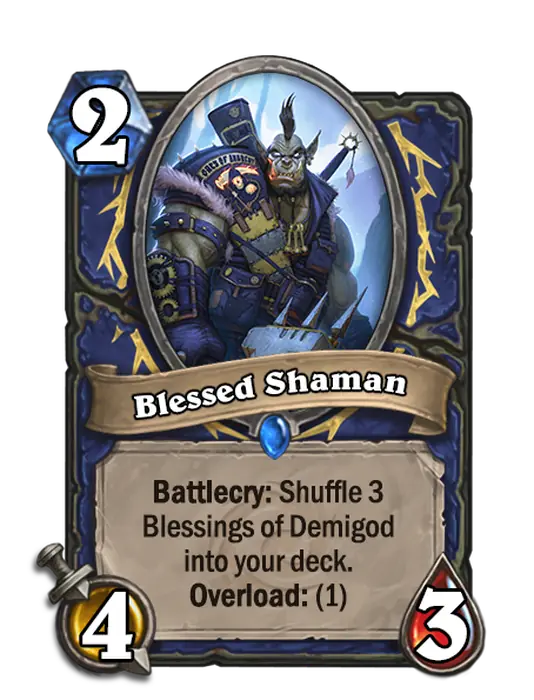
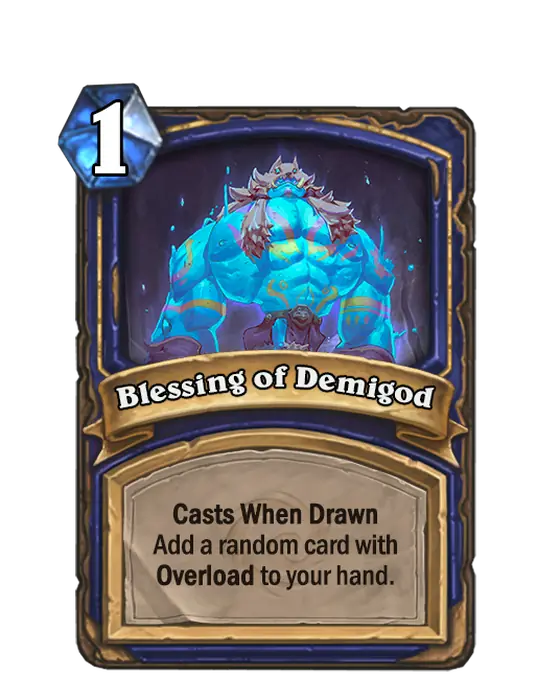
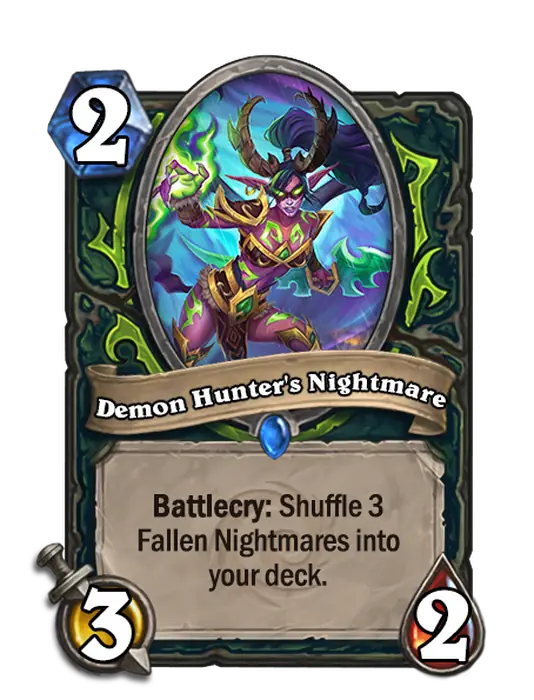
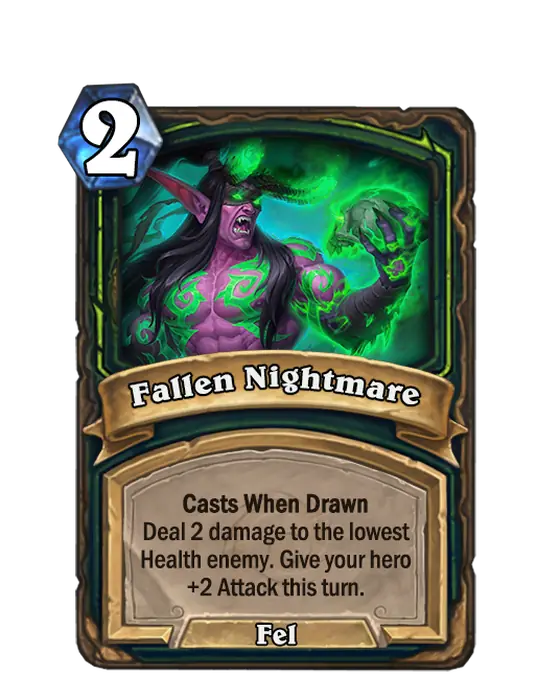
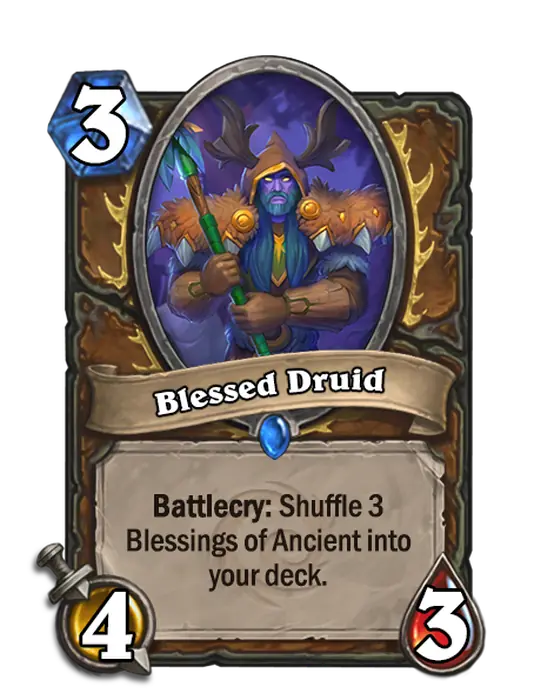
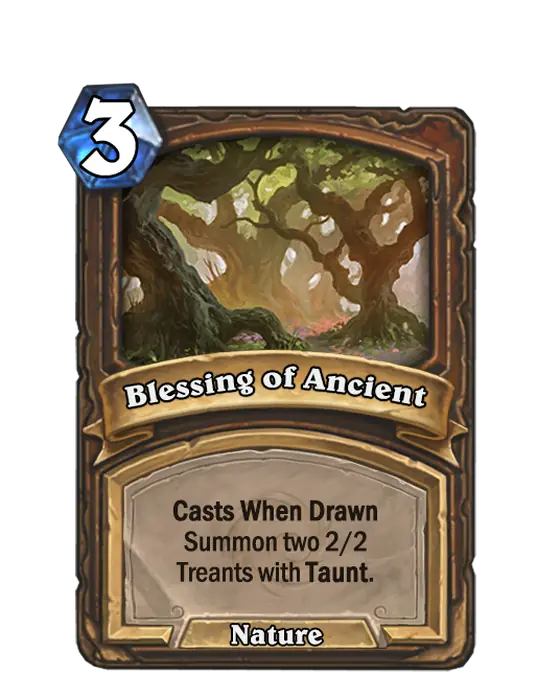
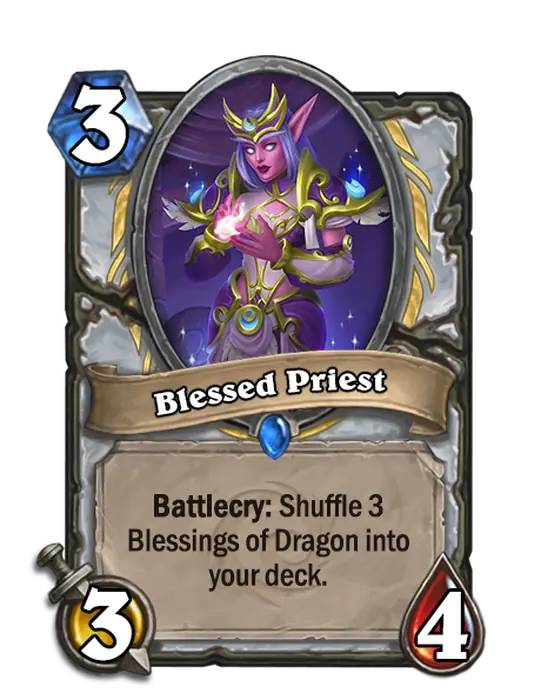
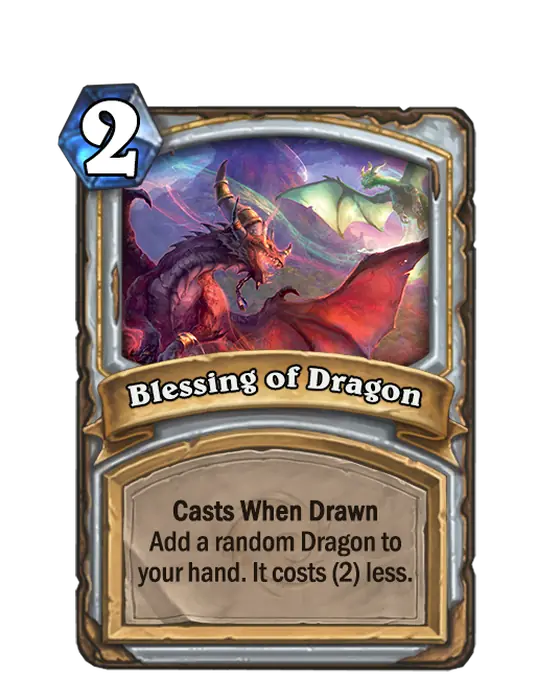
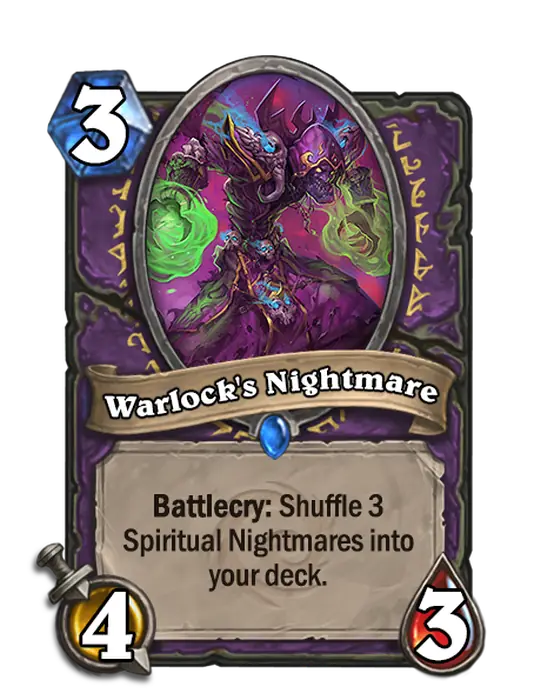
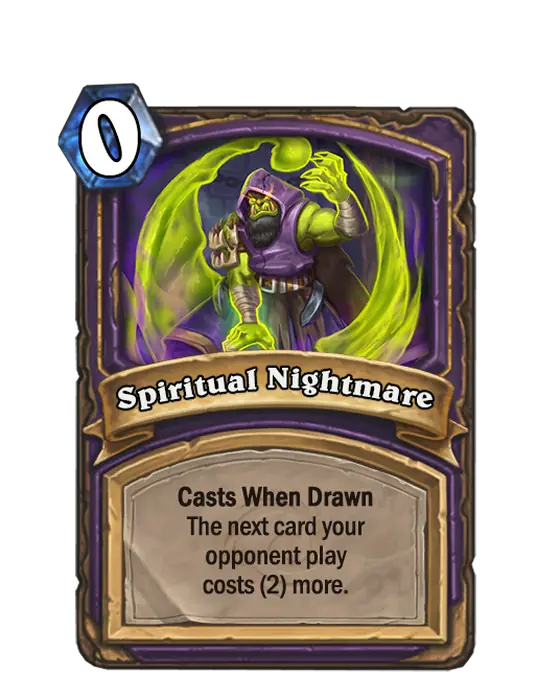
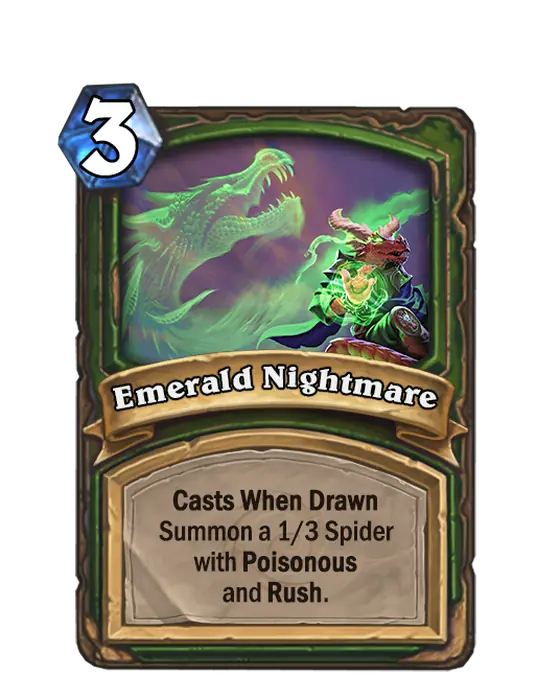
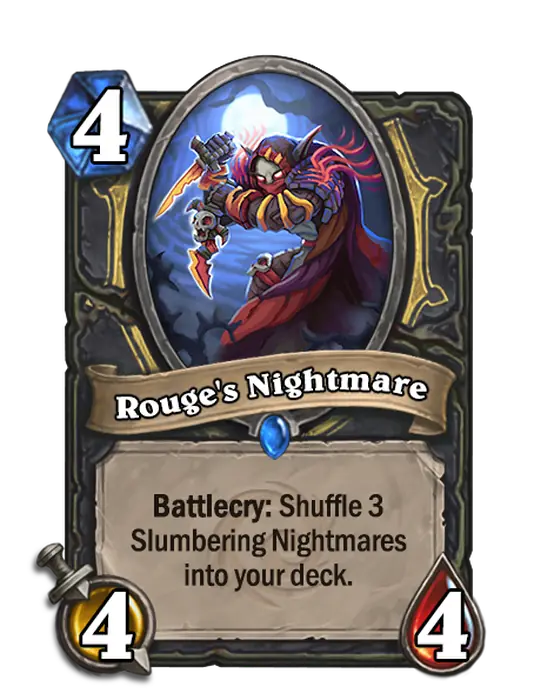
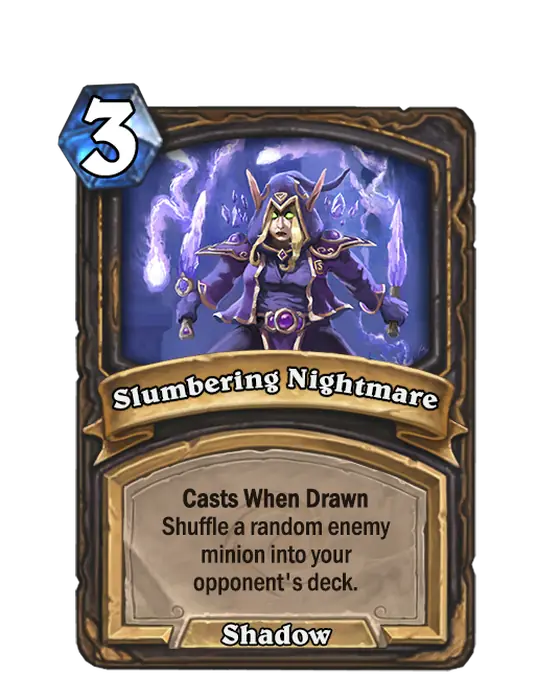
Blessing and Nightmare cards. Each class has a minion that shuffles three copies of a spell into the player’s deck; the spell casts when drawn. The two card families represent the opposing camps. Blessed Paladin generates a Blessing that summons and buffs Silver Hand Recruits, while Demon Hunter’s Nightmare generates a spell that damages an enemy and gives the hero additional attack.
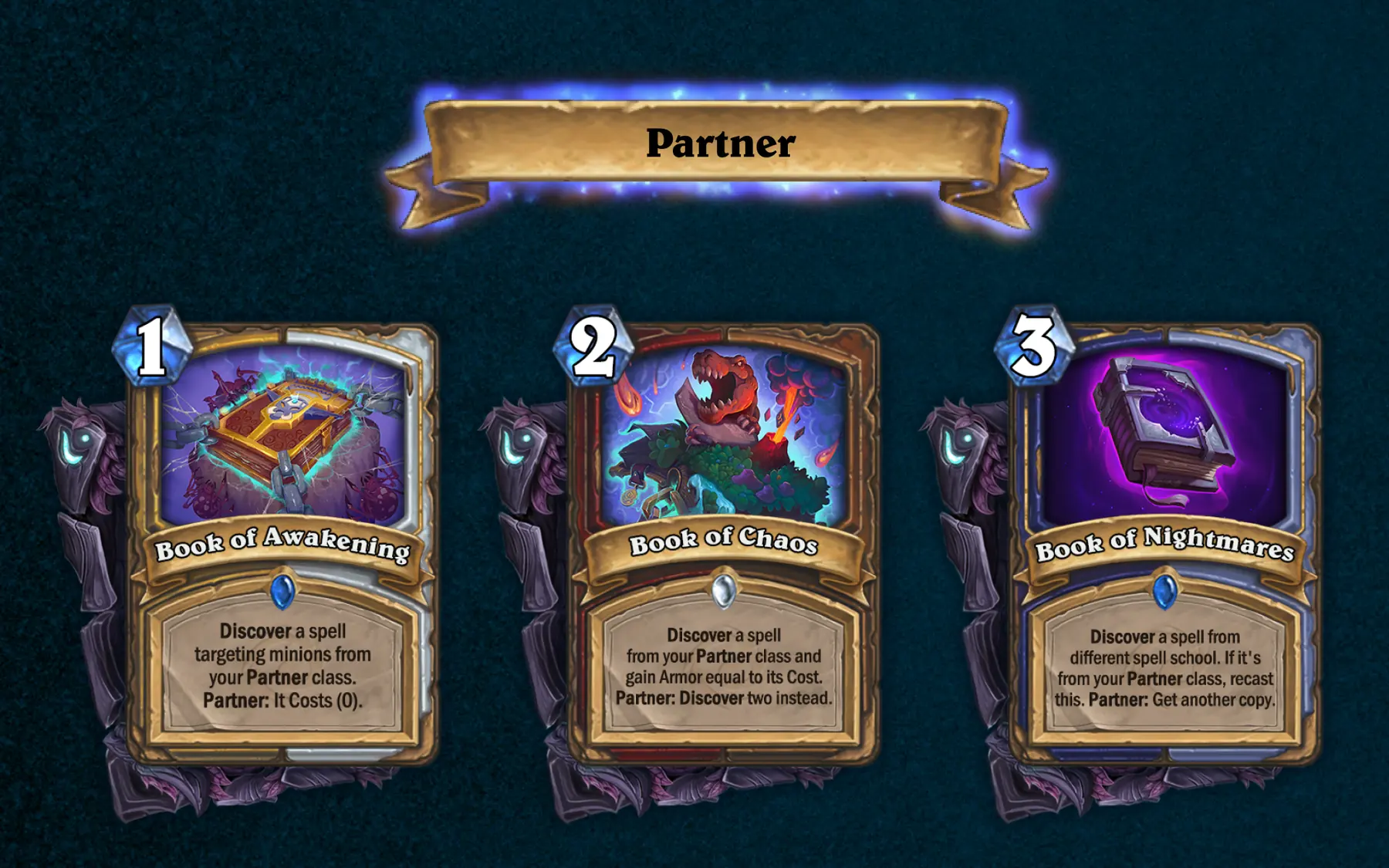
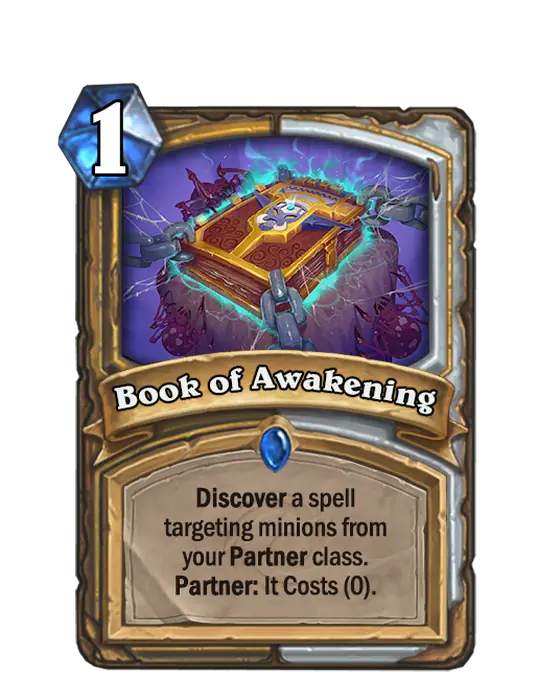
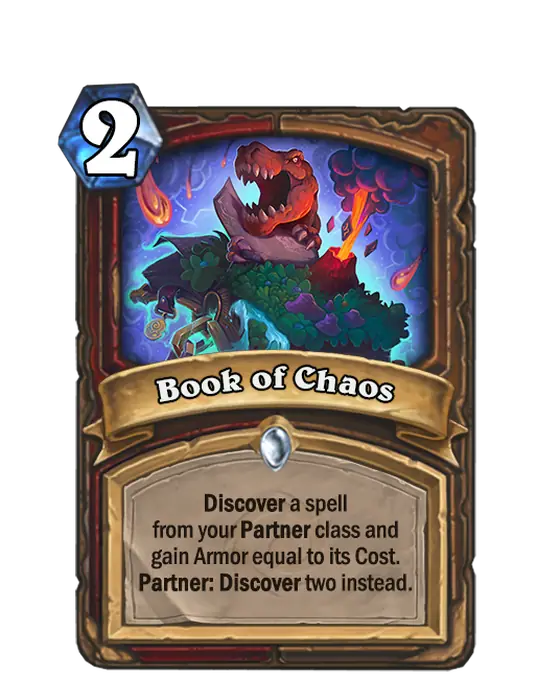
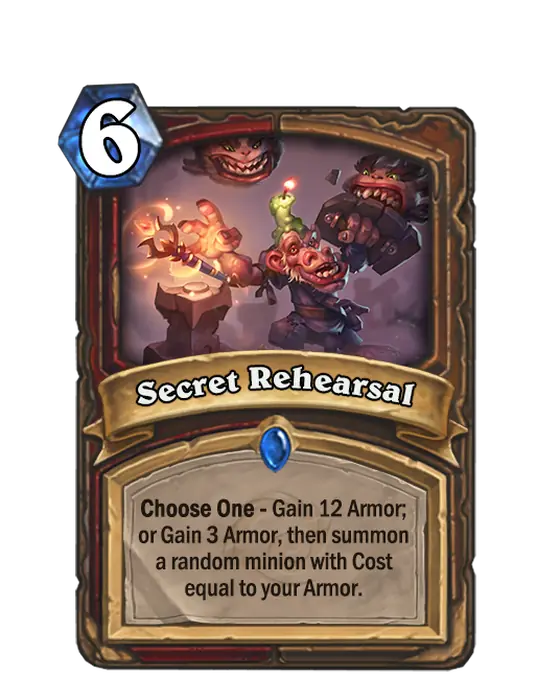
Partner. Partner applies when the opponent is the class paired with the player’s class. For example, a Druid activates Partner against a Warrior. I used that matchup condition to represent the story’s temporary alliances. The Book of Chaos normally Discovers one spell from the partner class and grants Armor equal to its cost; Partner increases the Discover effect to two spells.
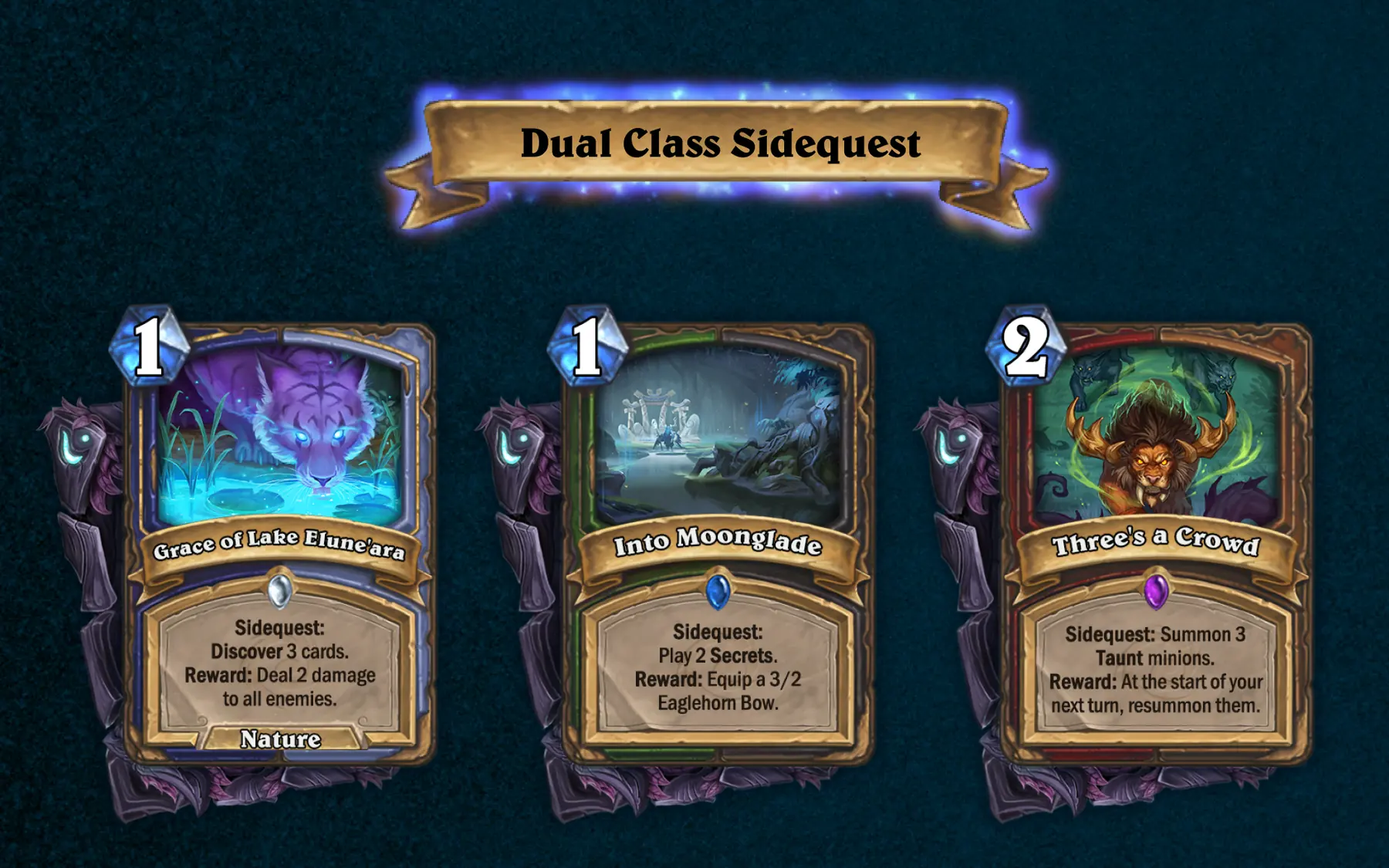
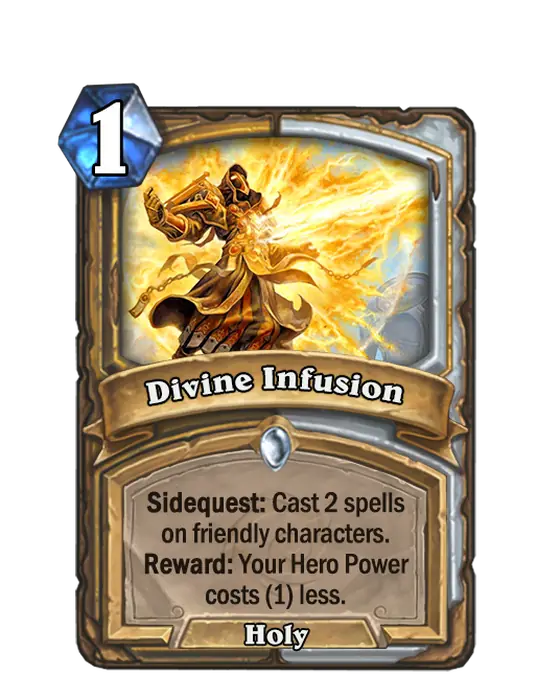
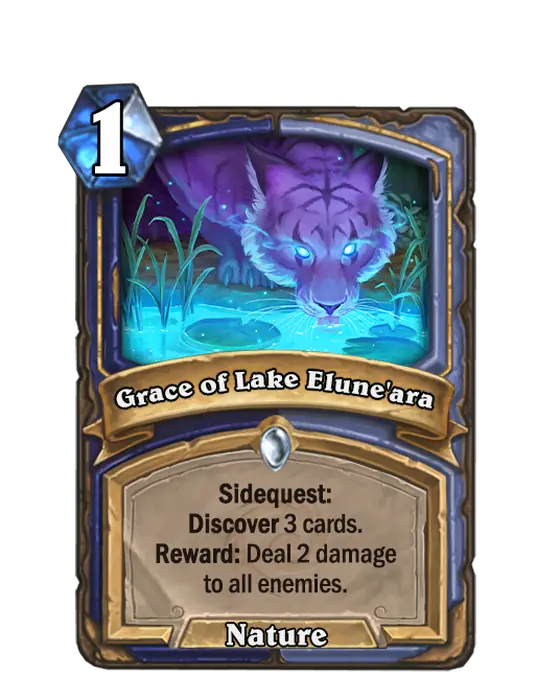
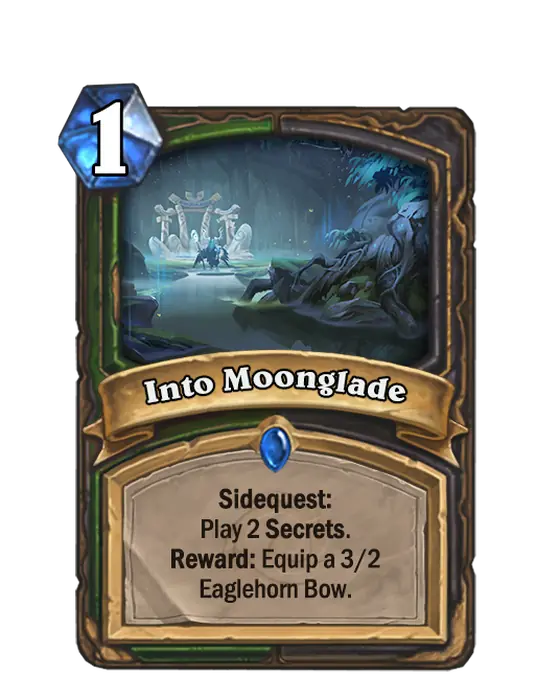
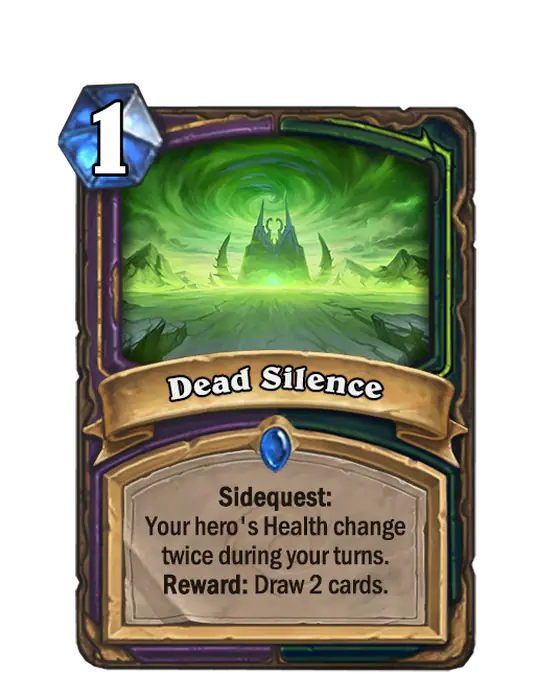
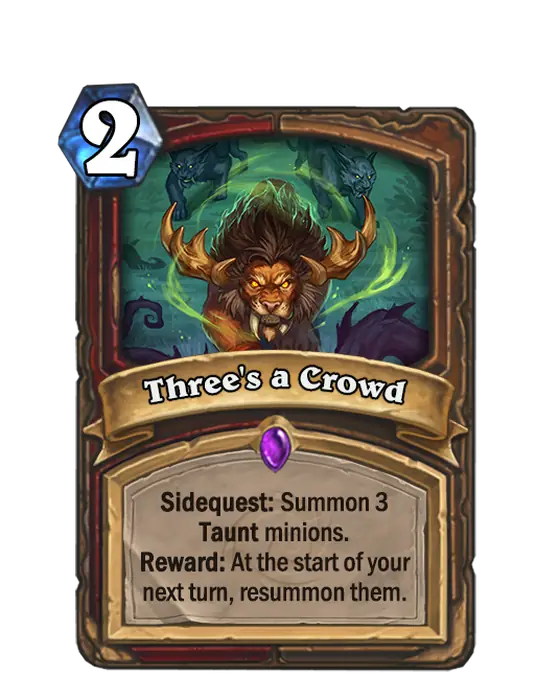
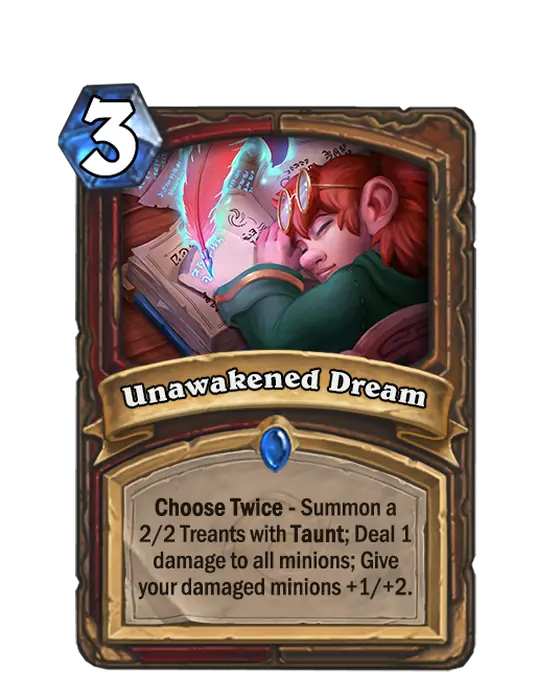
Dual-class Sidequests. I adapted Hearthstone’s existing Sidequests to the paired classes and based their objectives on shared mechanics. Into Moonglade uses the Hunter and Rogue overlap: play two Secrets to equip an Eaglehorn Bow. Three’s a Crowd asks Warrior and Druid to summon three Taunt minions, then resummons them at the start of the next turn.
Class pairings and card allocation
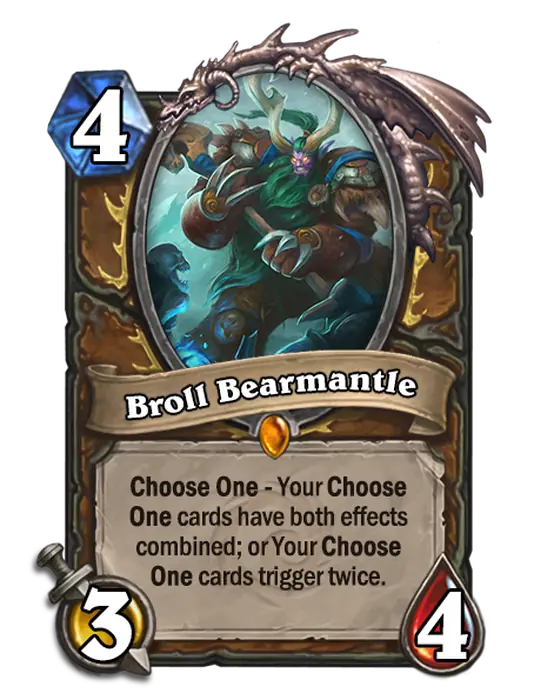
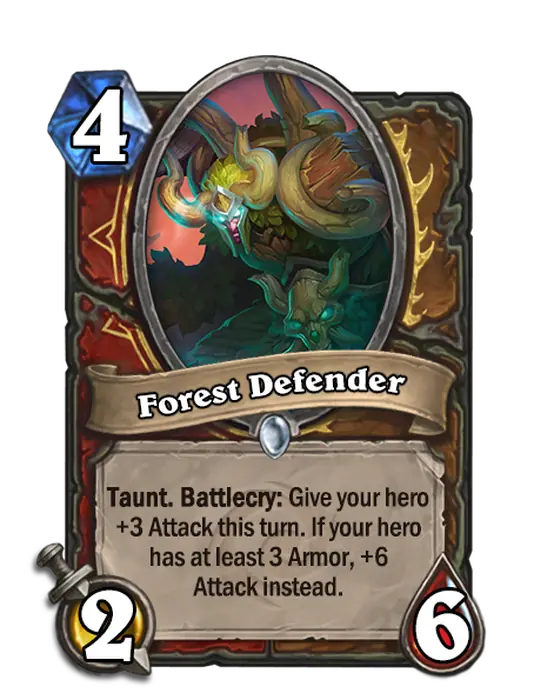
Warrior and Druid, Nightmare resistance. Shared mechanics: Rush, Taunt, Armor, and hero attack. Warrior cards emphasize weapons and Rush; Druid cards use Choose One to support flexible play. Their dual-class cards combine Druid mechanics with Warrior’s Armor conversion.
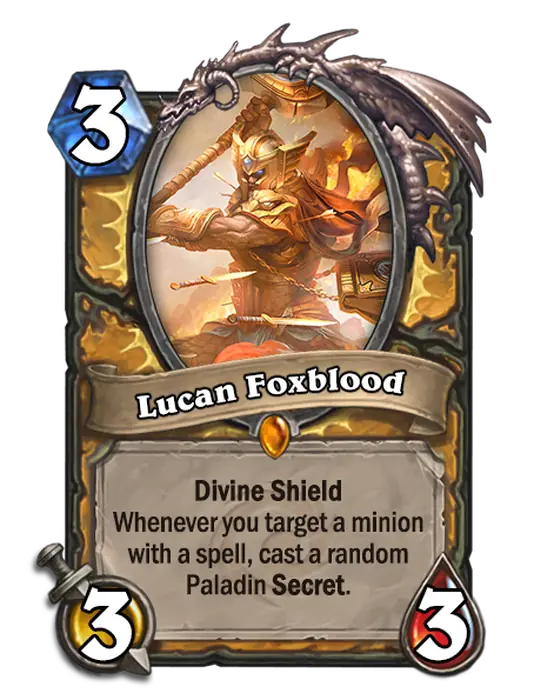
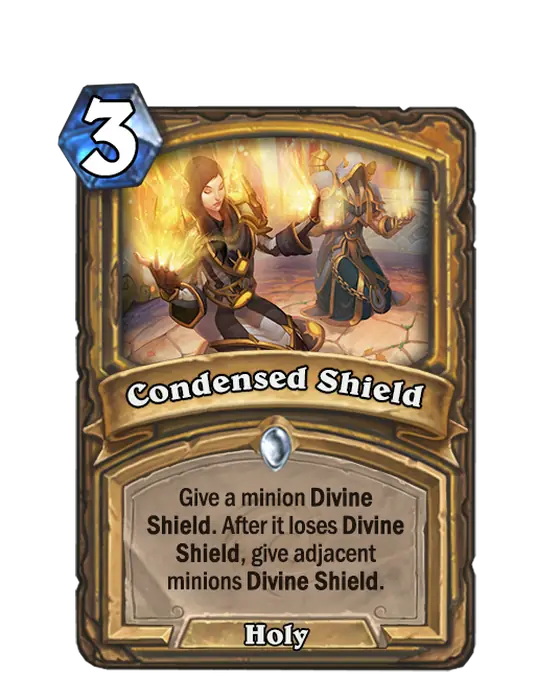
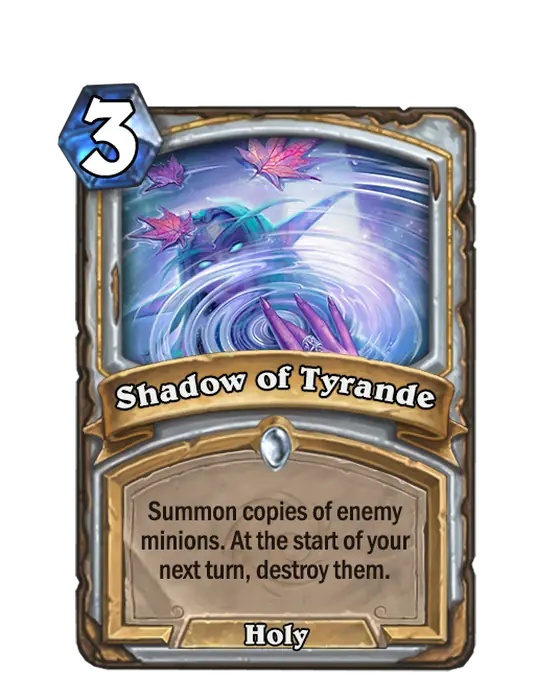
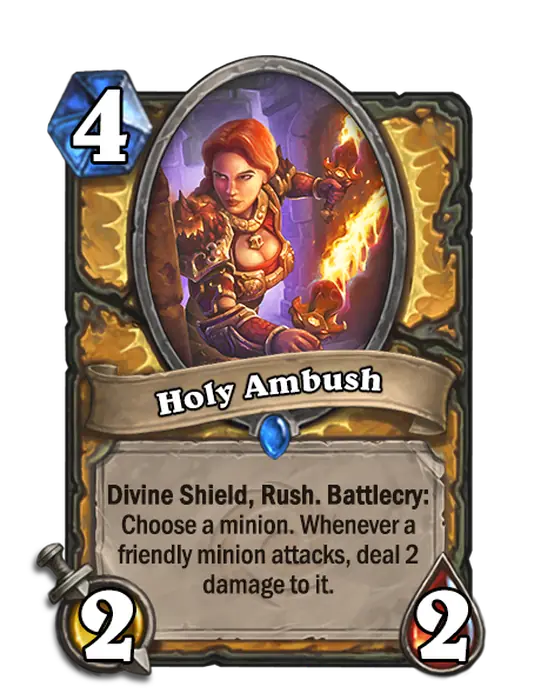
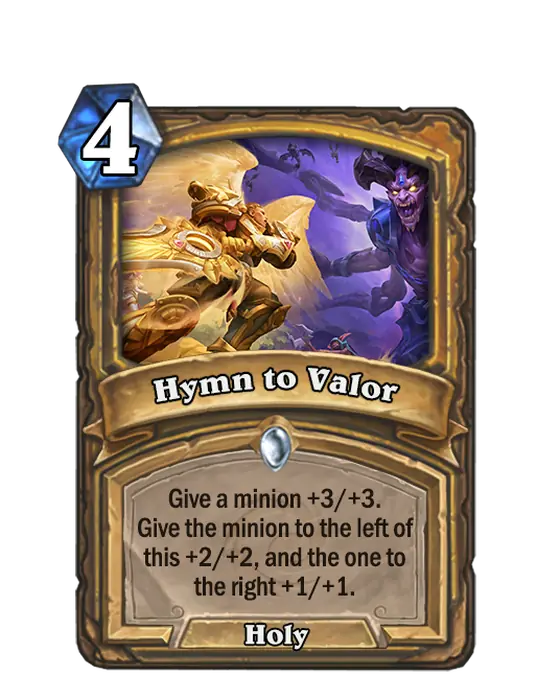
Paladin and Priest, Nightmare resistance. Shared mechanics: Holy spells and spells that target minions. Paladin cards support Silver Hand Recruits; Priest cards use zero-cost cards and cost reduction for board control. Their dual-class cards reward minion-targeting spells.
Mage and Shaman, Nightmare resistance. Shared mechanics: Elementals, spell damage, Discover, and mixed spell schools. Mage cards emphasize Frost and Secret-related randomness; Shaman cards emphasize Nature spells and higher stats for their cost. Their dual-class cards reward Discover.
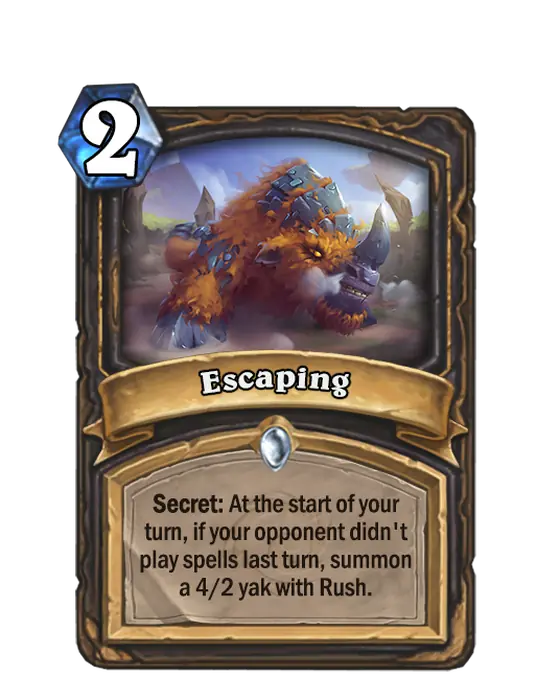
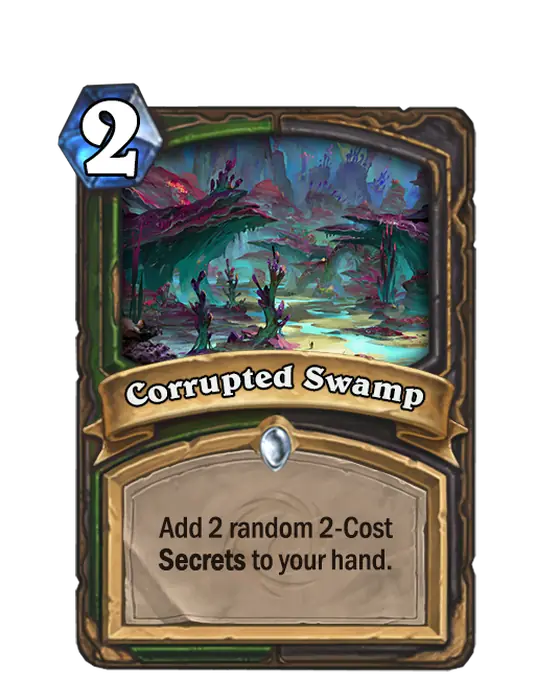
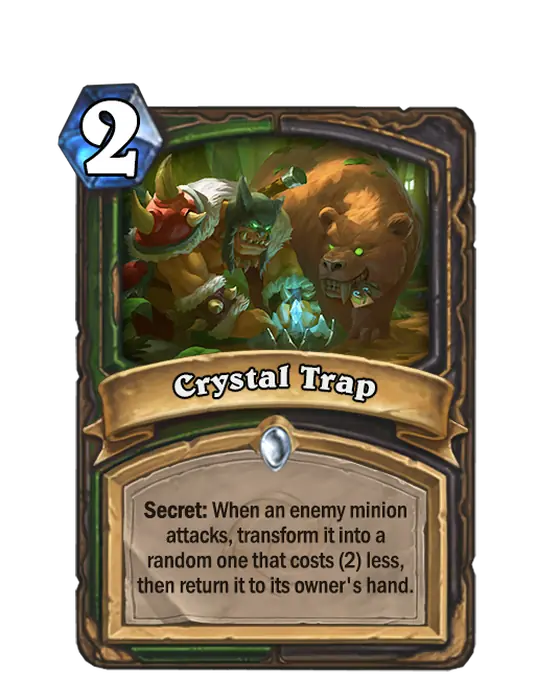
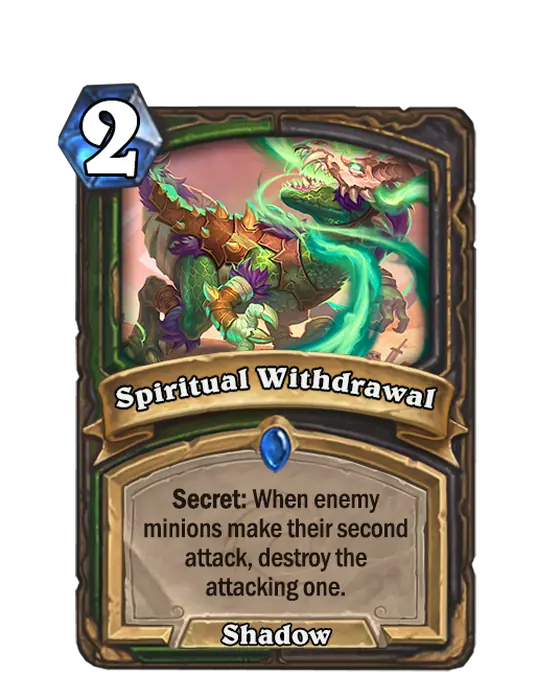
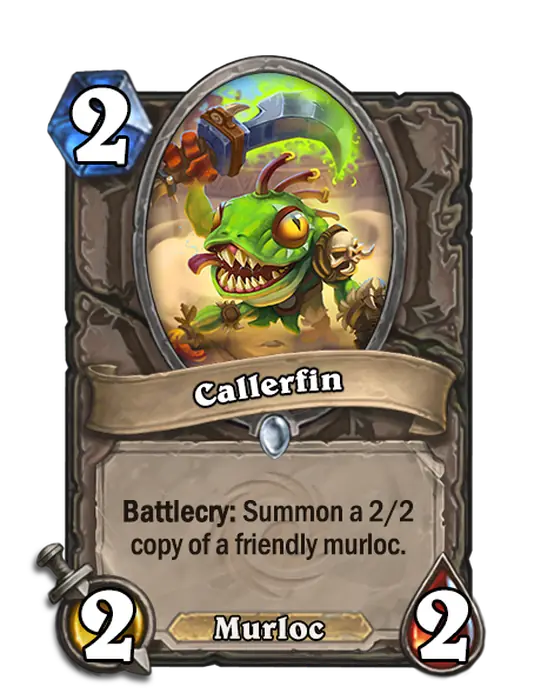
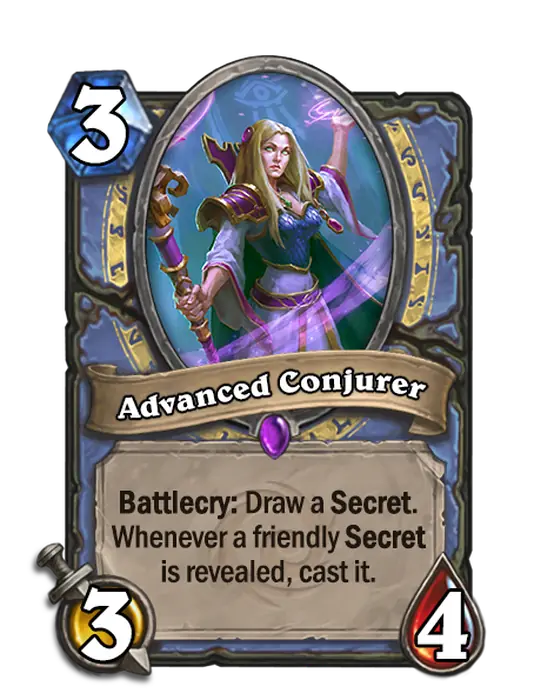
Hunter and Rogue, Nightmare aligned. Shared mechanics: two-cost Secrets, crowd control, and weapons. Hunter cards support Spell Hunter, while Rogue cards emphasize cheap cards and Combo. Their dual-class cards support Secrets and flexible low-cost play.
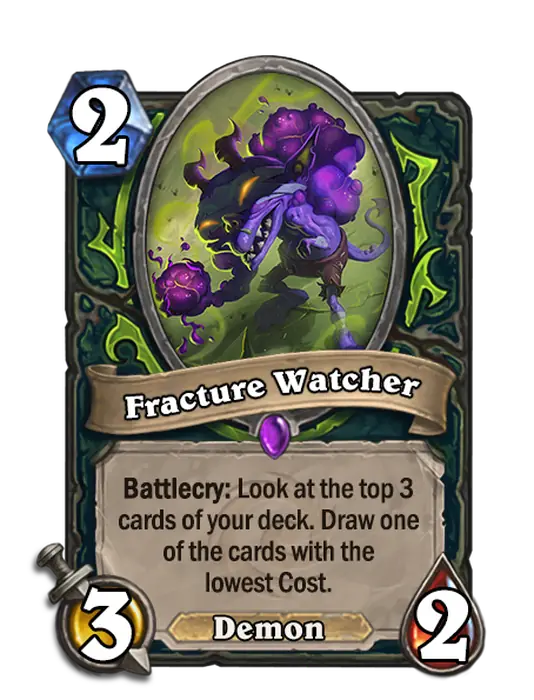
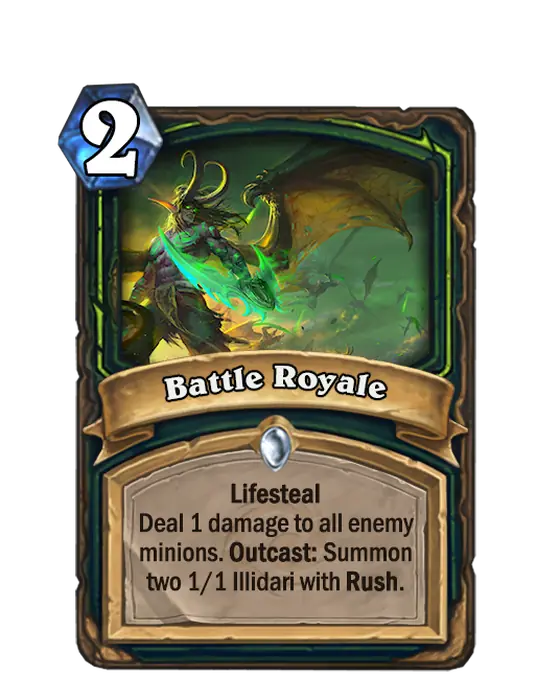
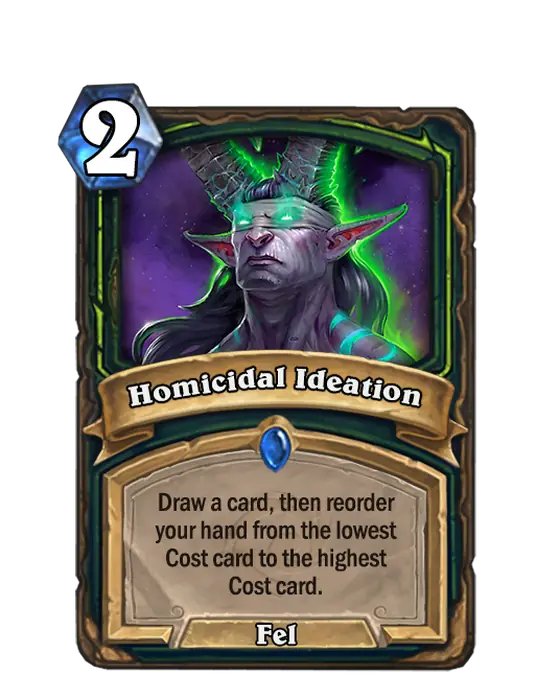
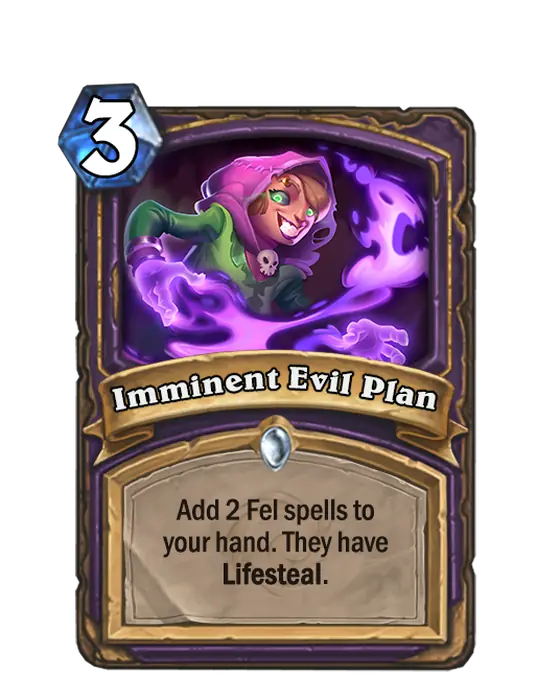
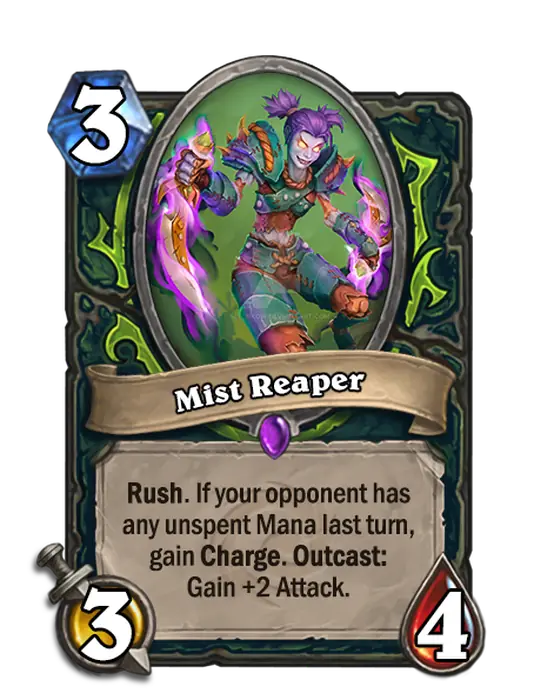
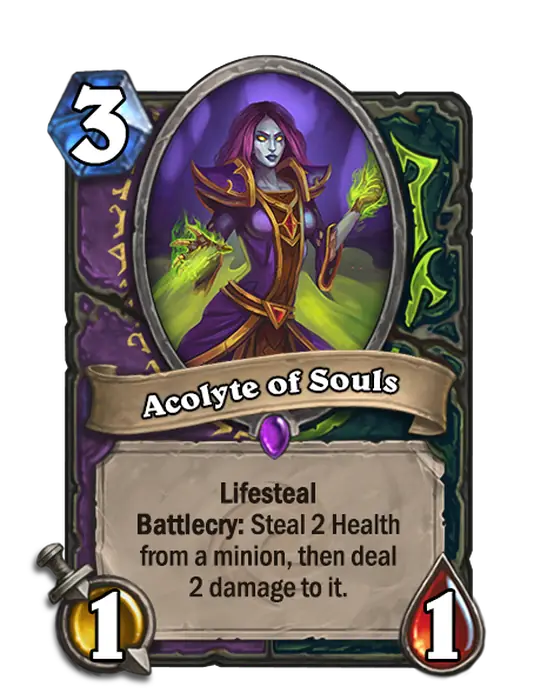
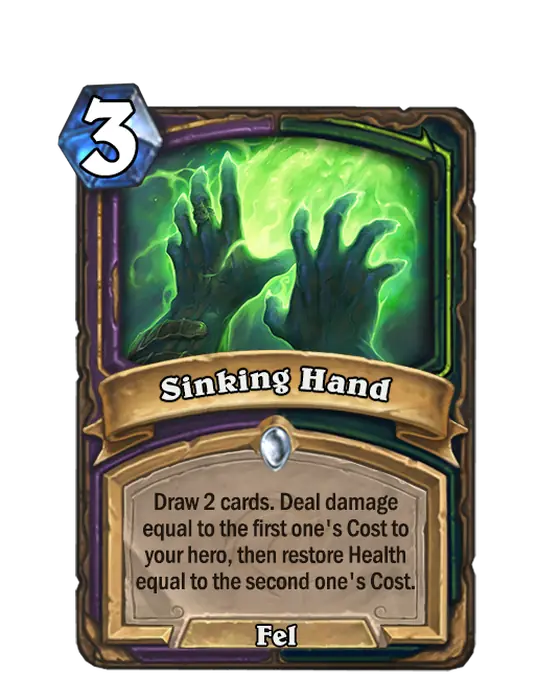
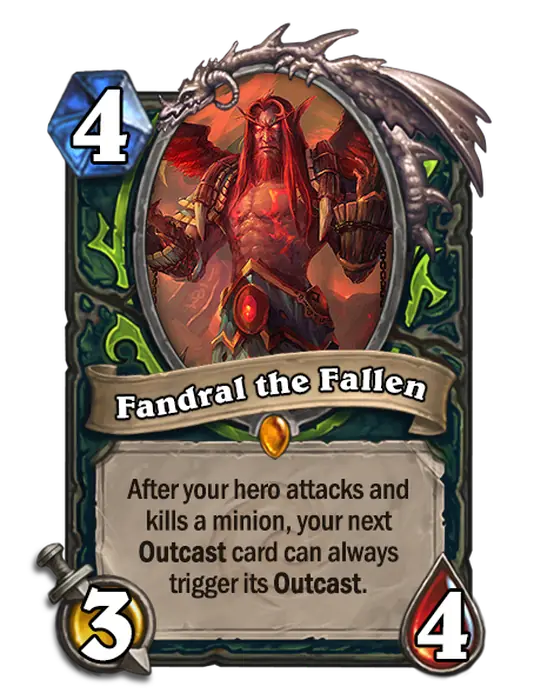
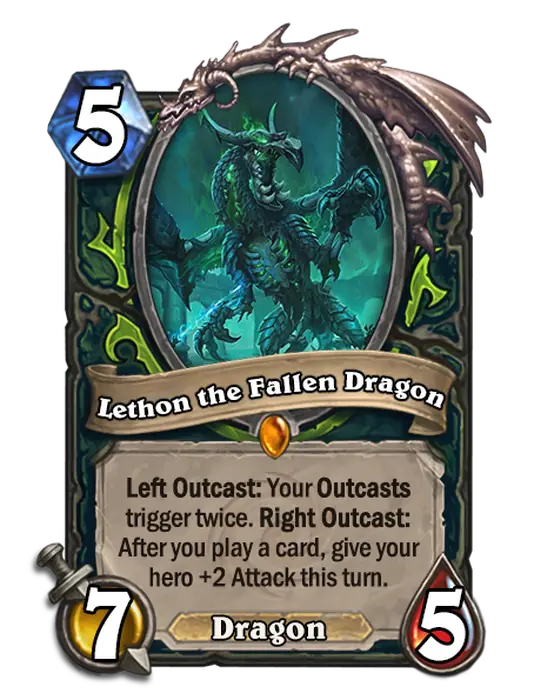
Warlock and Demon Hunter, Nightmare aligned. Shared mechanics: Lifesteal, card exchanges, and board disruption. Warlock cards trade resources for an early advantage and larger finishers; Demon Hunter cards sustain pressure through Outcast. Their dual-class cards build on both classes’ trade-offs.
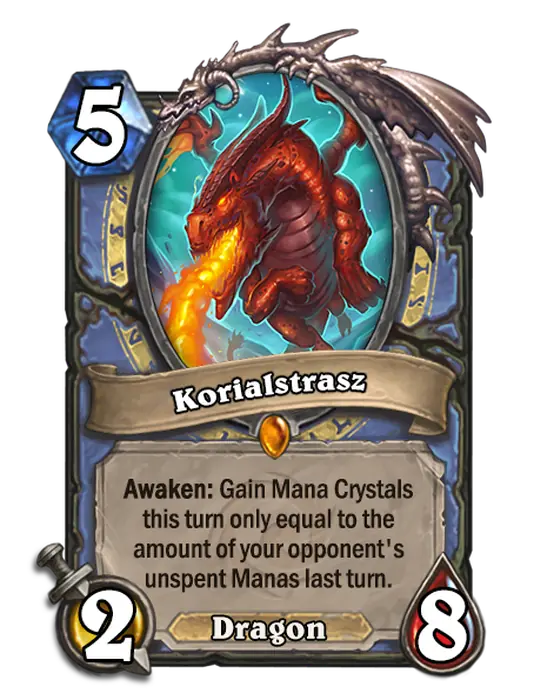
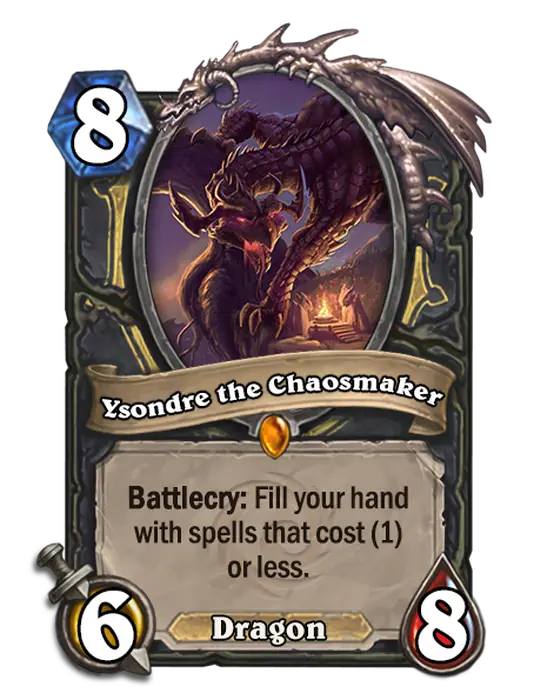
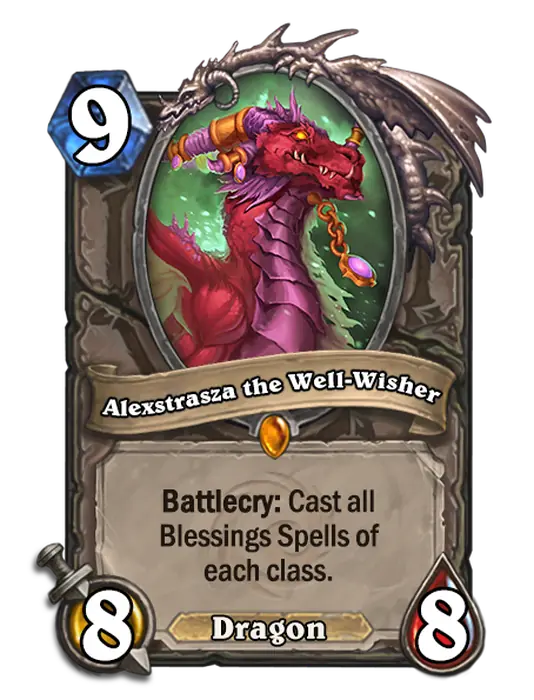
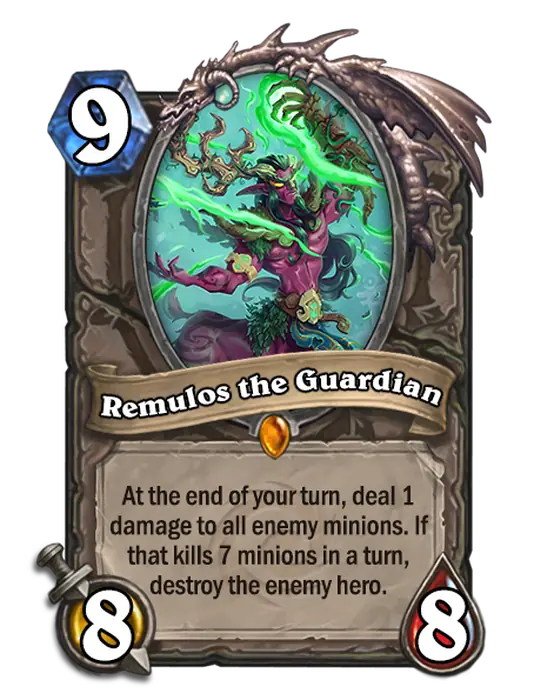
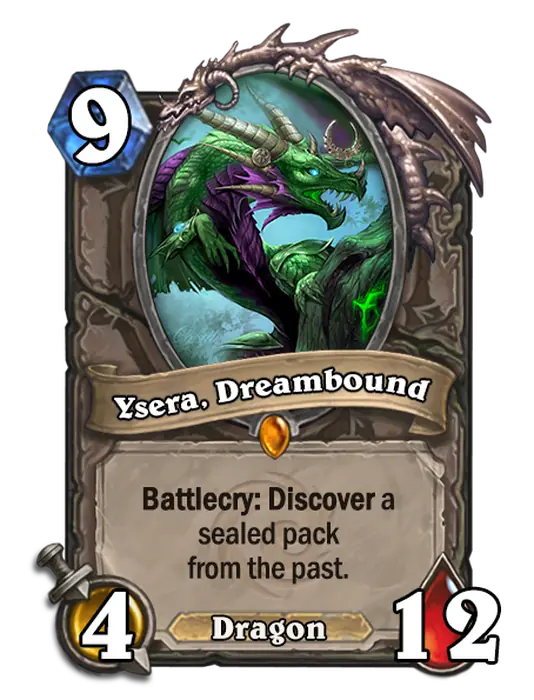
Neutral cards. The 20 neutral cards include characters central to the novel. Ysera, Alexstrasza, Remulos, and Teldrassil the World Tree occupy four of the five Legendary slots.
Card allocation
| Group | Cards per unit | Total cards |
|---|---|---|
| Single-class | 8 per class | 80 |
| Dual-class | 6 per pair | 30 |
| Neutral | 20 in total | 20 |
- Each class: two Legendary, two Epic, two Rare, and two Common cards.
- Each pair: one Legendary, one Epic, two Rare, and two Common cards.
- Neutral group: five Legendary, five Epic, five Rare, and five Common cards.
Playtesting and revisions
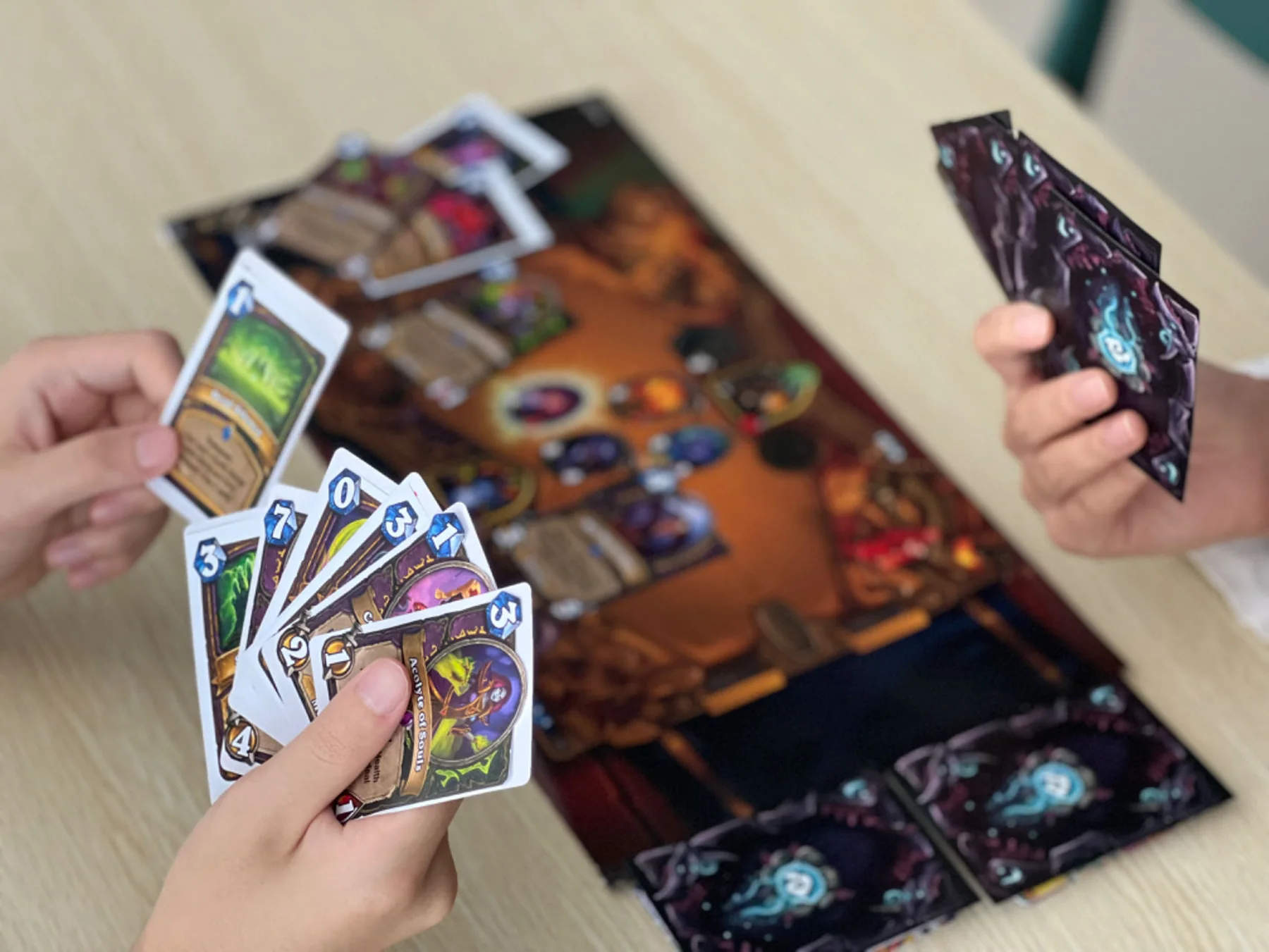
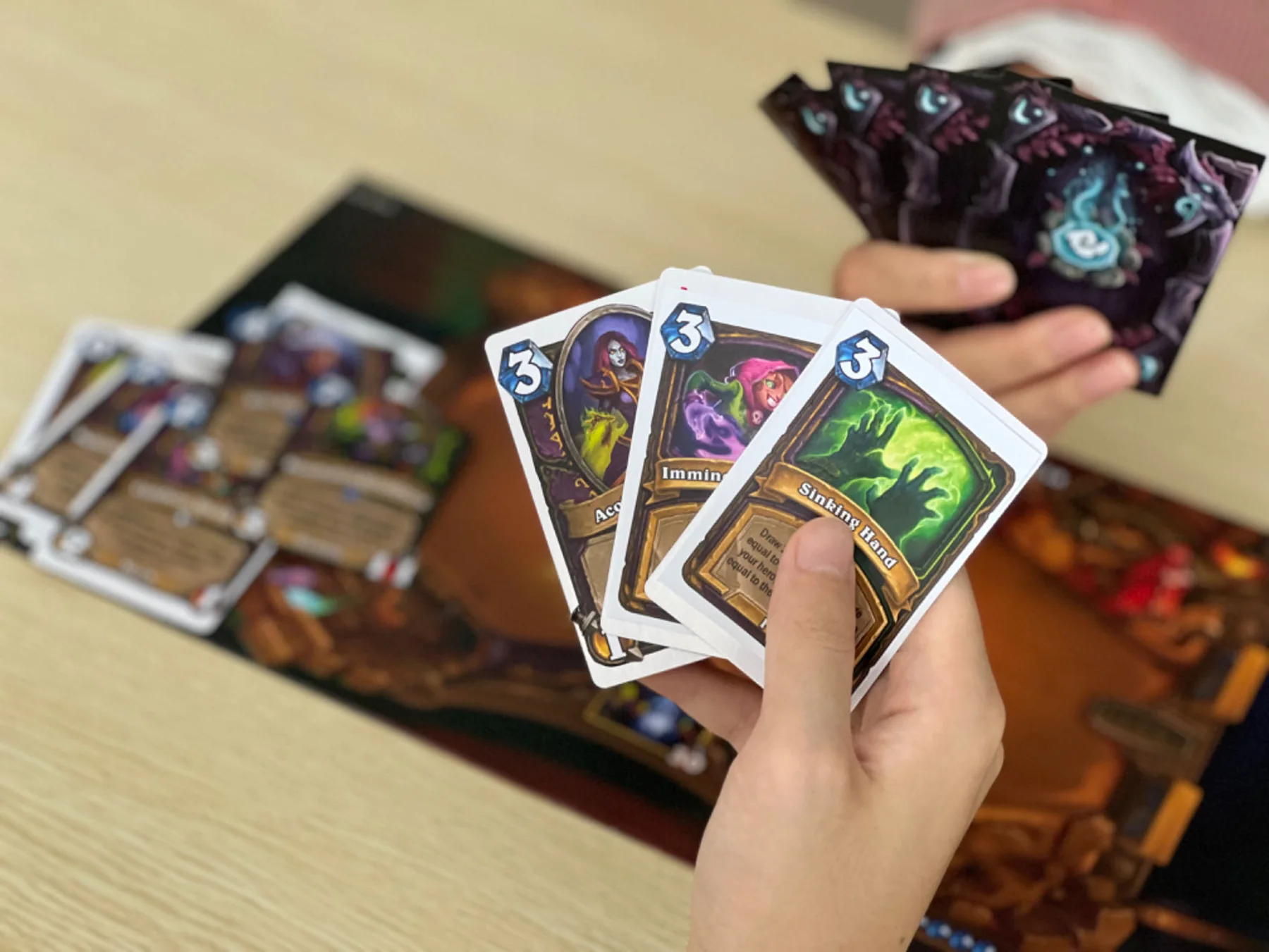
I printed the cards for paper playtests. I watched which cards were played, stayed in hand, or ended games unusually early, then adjusted costs and stats. I also published the set on Bilibili and the NGA Hearthstone forum, then revised card effects and wording in response to comments.
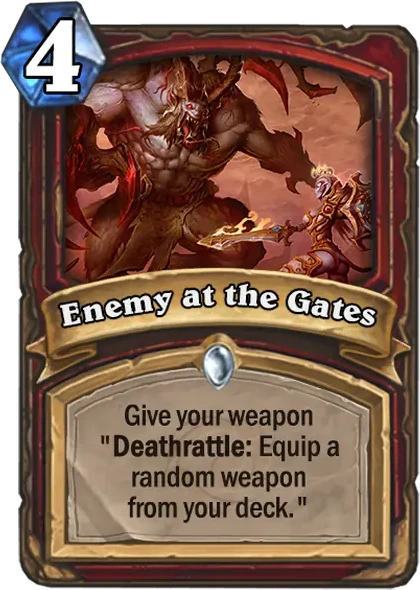
Revising Enemy at the Gates
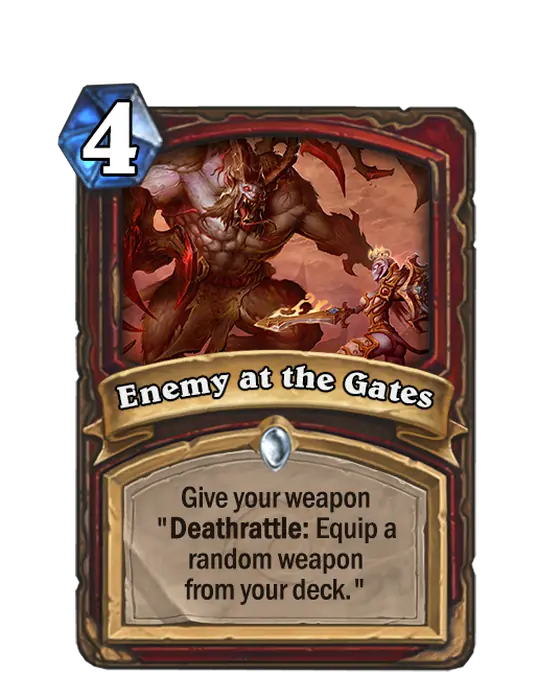
Enemy at the Gates originally set up a weapon replacement for the next time the player’s weapon was destroyed. The effect could be set up before the player equipped a weapon. Feedback pointed out that this situation lacked a clear ability indicator.
I attached the effect to the player’s weapon as a Deathrattle instead of keeping the deferred trigger. This gave up the ability to set up the effect before equipping a weapon. The March 31 update records the change, and the current card uses the Deathrattle wording.
The update log documents the changes, not a measured improvement in comprehension or balance. The card-by-card walkthrough remains available on YouTube.
Selected revision notes
The log records updates labeled 3.26, 3.27, and 3.31, covering balance adjustments, card-text changes, and artwork updates.
| Update | Recorded changes |
|---|---|
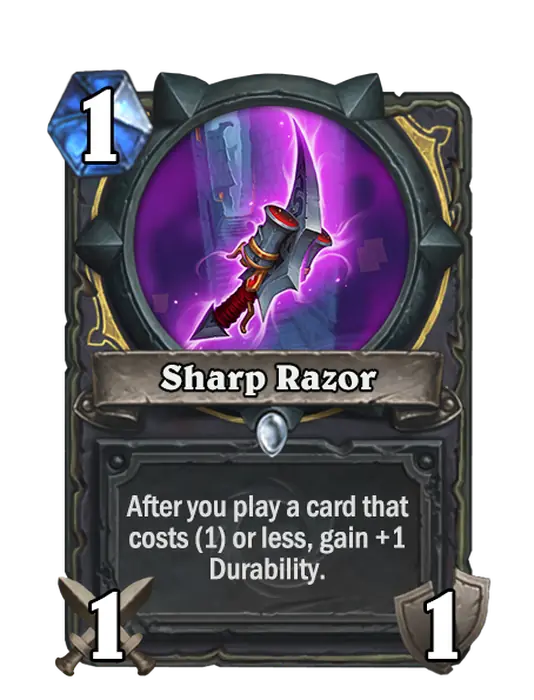
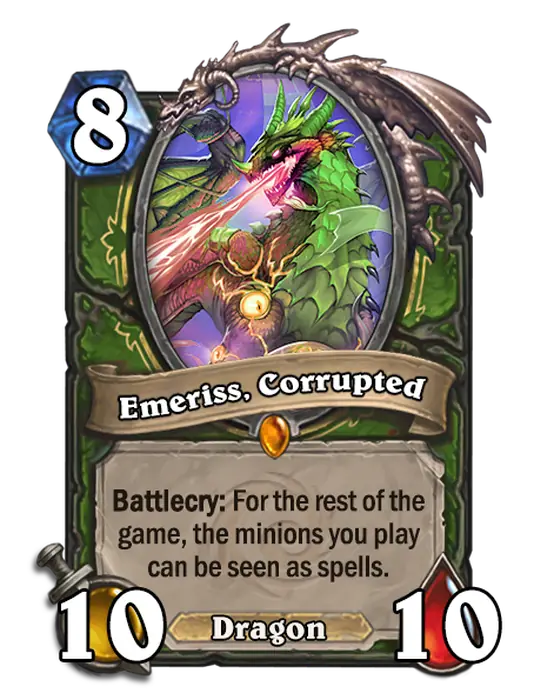
| 3.26 | Balance adjustments to Emeriss, Corrupted and Sharp Razor; card-text and keyword-formatting edits. |
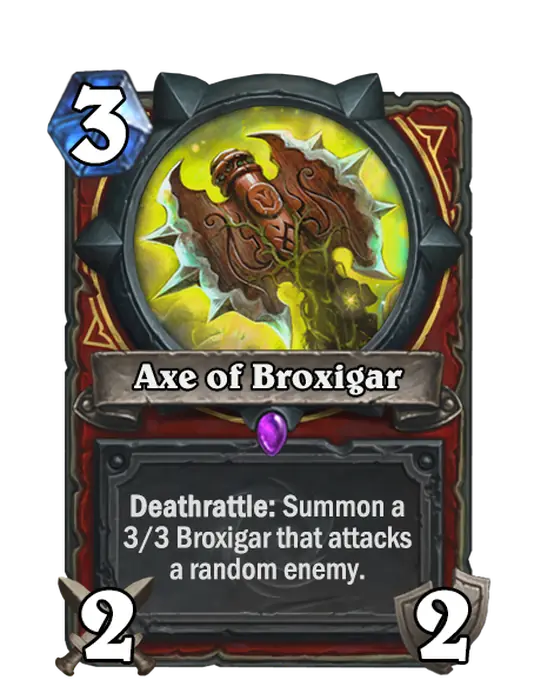
| 3.27 | A balance adjustment to Axe of Broxigar and artwork updates. |
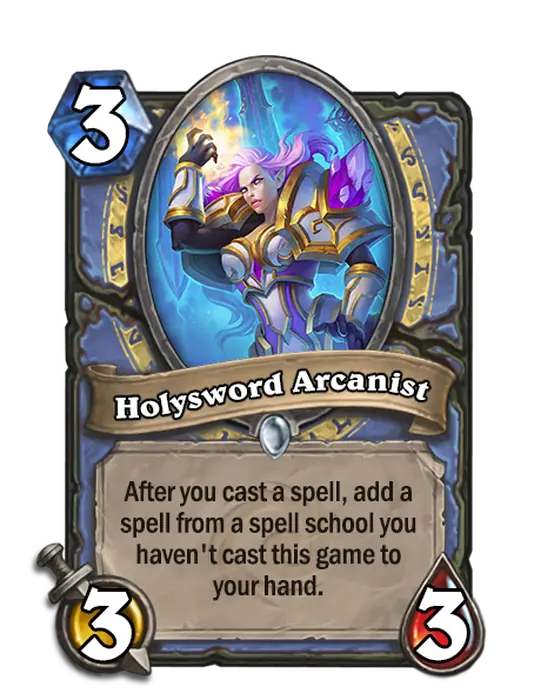
| 3.31 | A balance adjustment to Remulos the Guardian; revisions to Enemy at the Gates, Nightmare cards, and Holysword Arcanist; an artwork update. |
Responding to a lore suggestion
A commenter questioned how several characters and weapons fit Warcraft lore and class assignments. In my reply, I explained that I prioritized the novel’s characters and relaxed some class assignments where those choices strained the available Legendary slots.
I also explained why I had kept the Axe of Broxigar design: I considered the proposed chain of Deathrattles difficult to describe and too close to an existing card effect, and Saurfang’s Legendary design was already established.
The full set
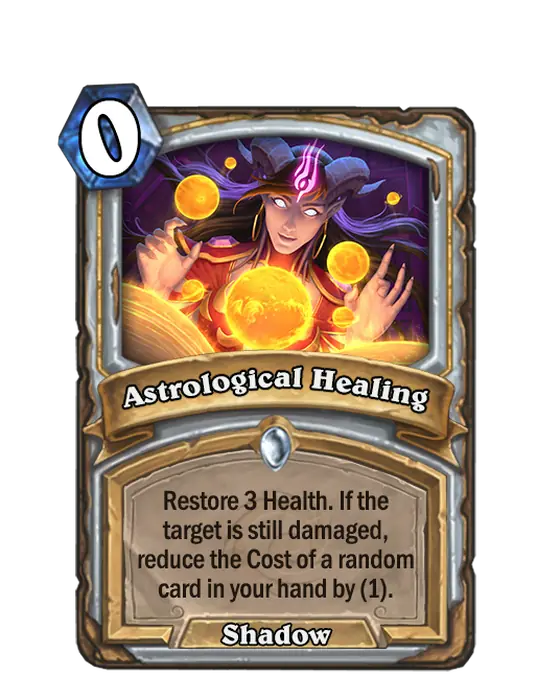
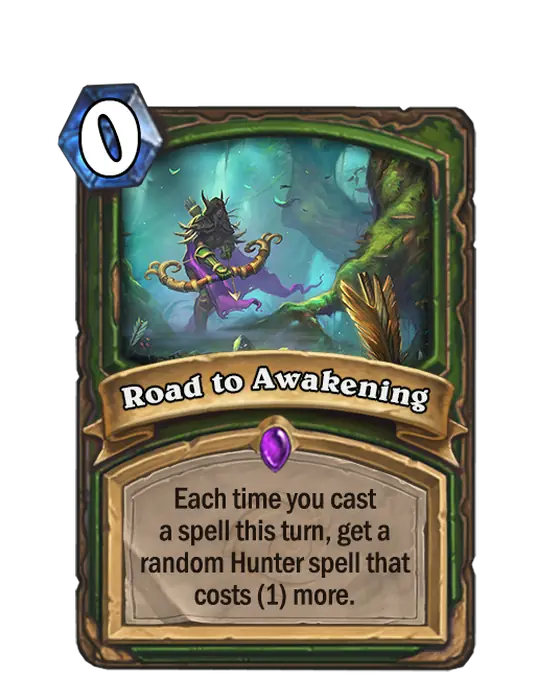
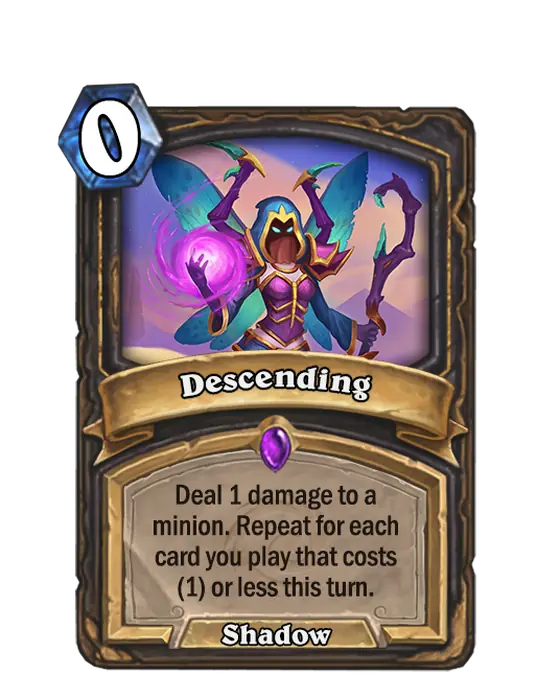
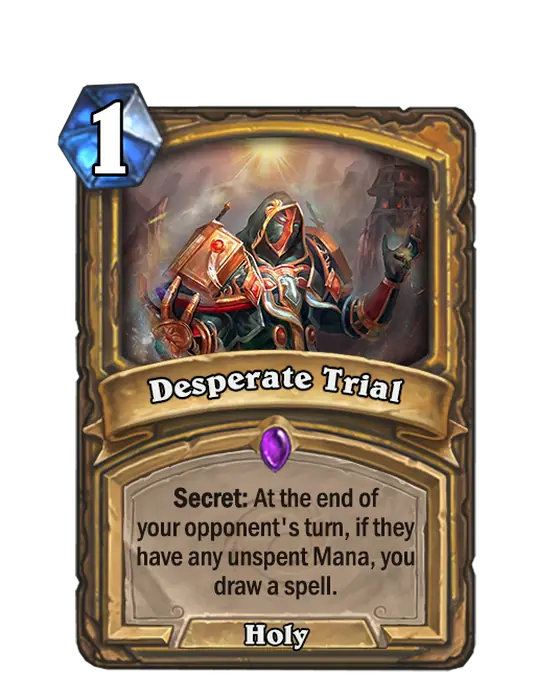
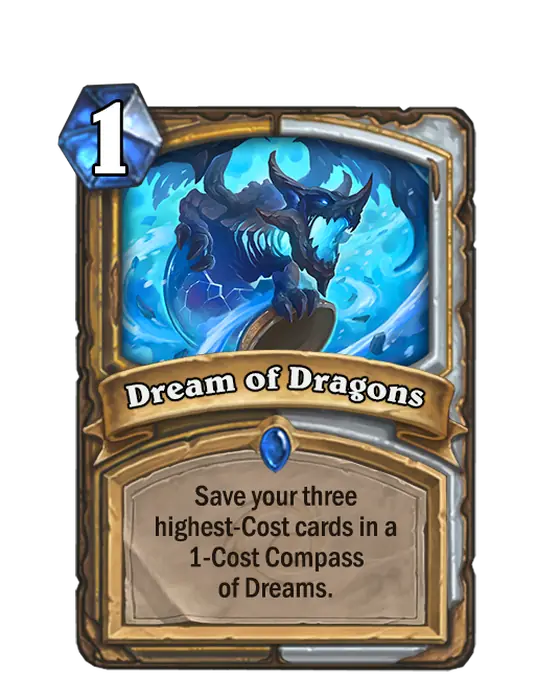
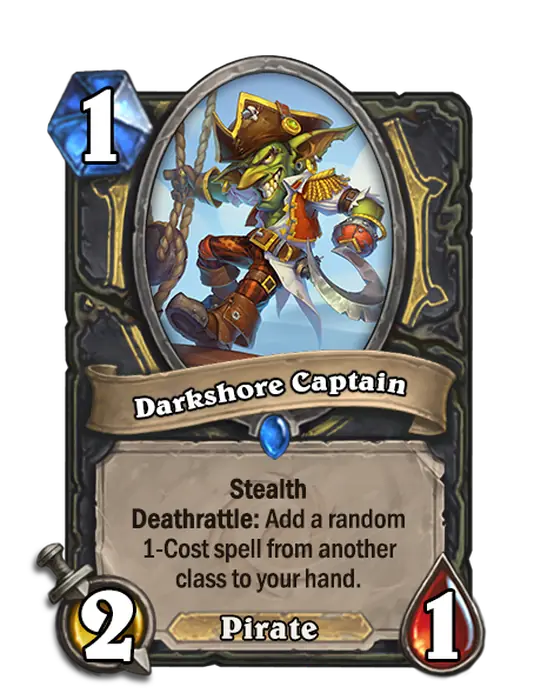
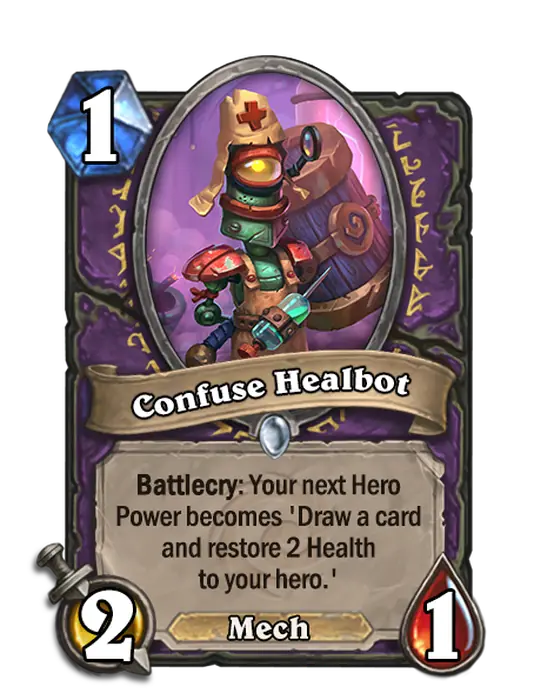
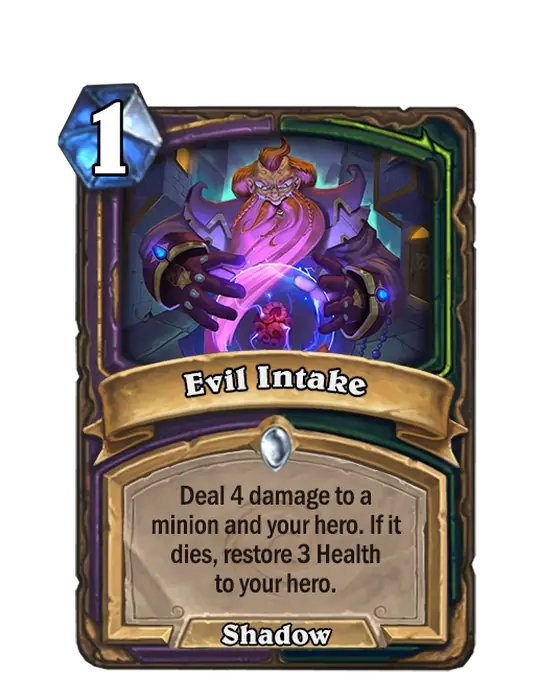
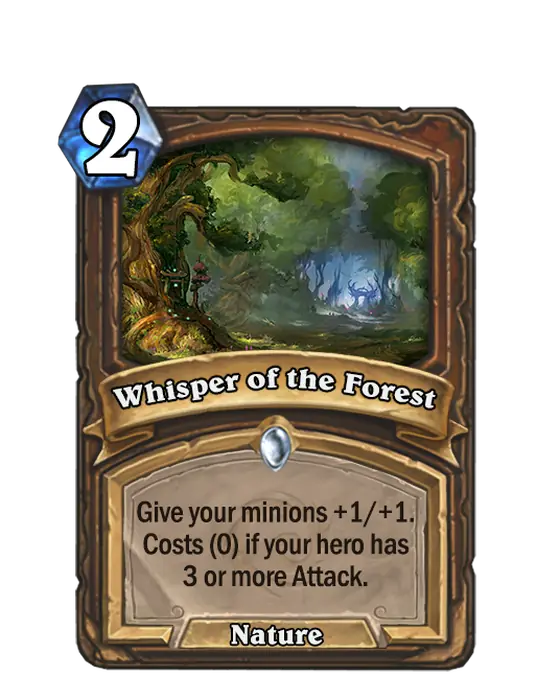
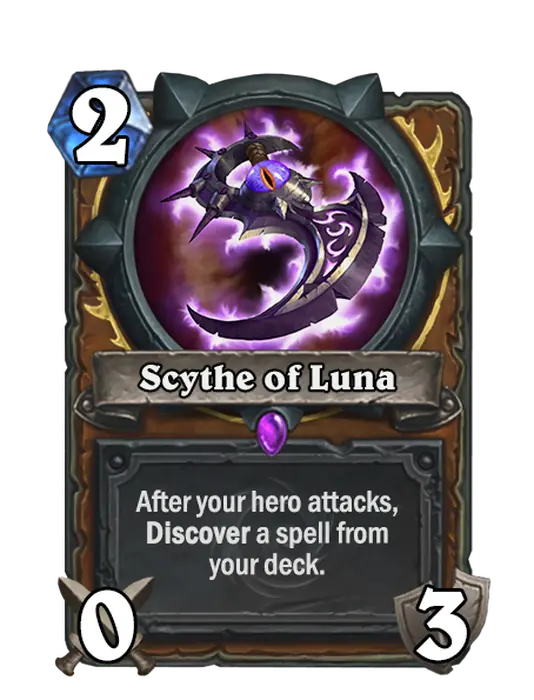
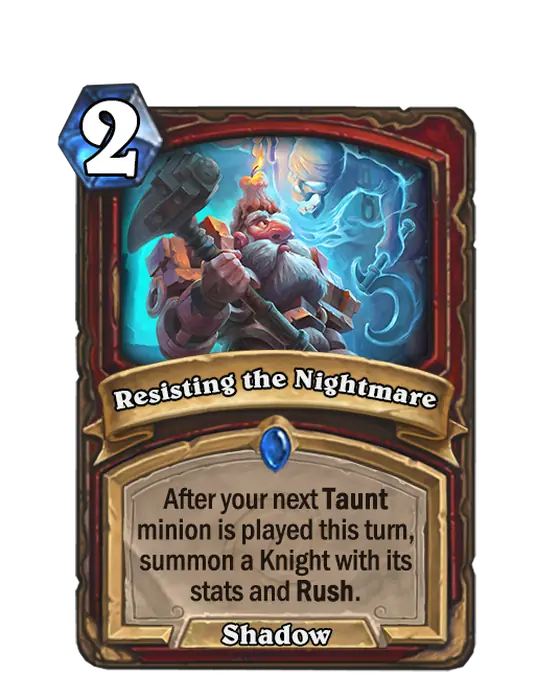
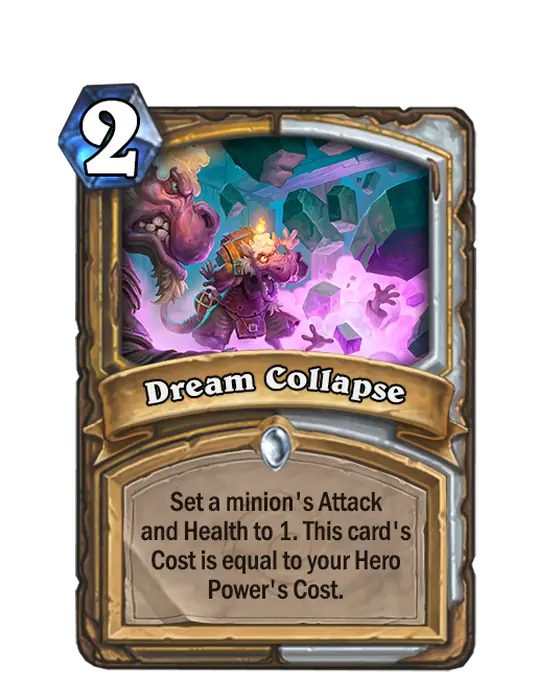
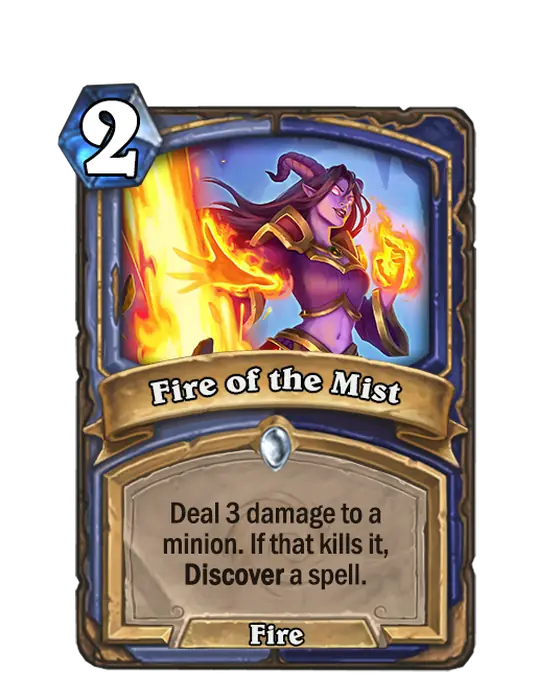
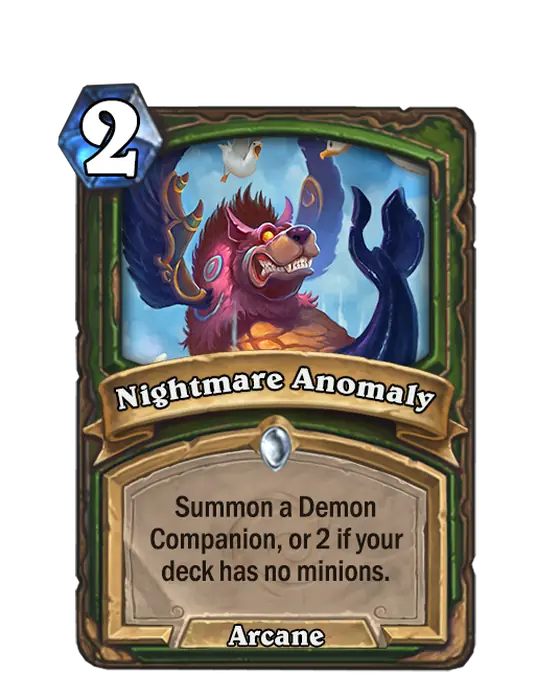
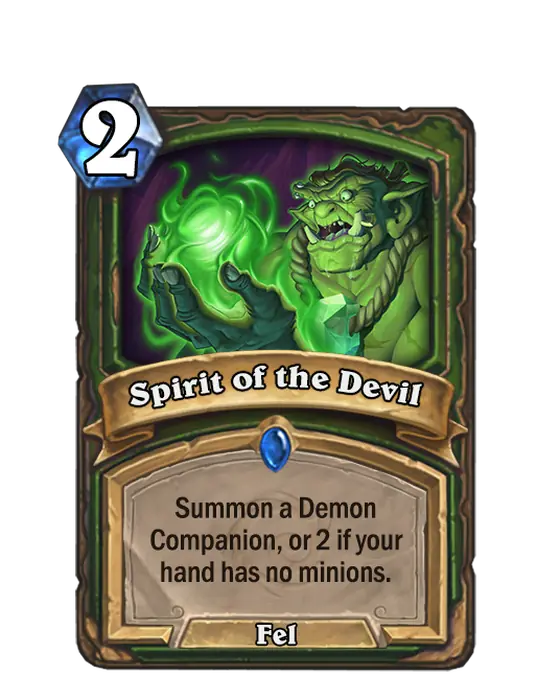
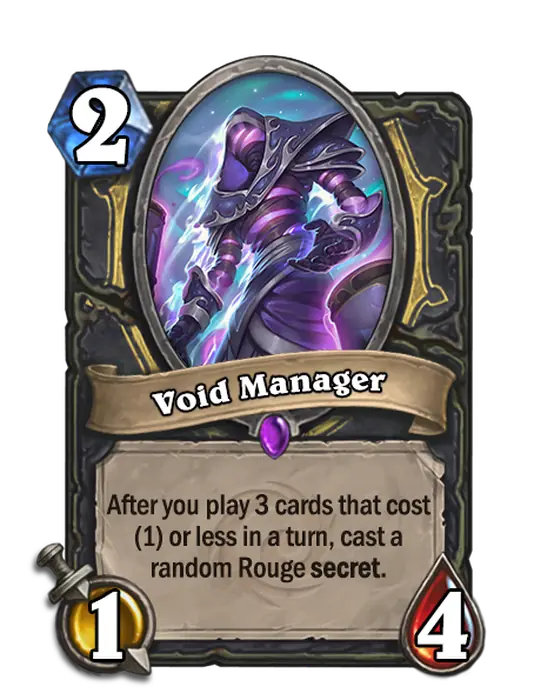
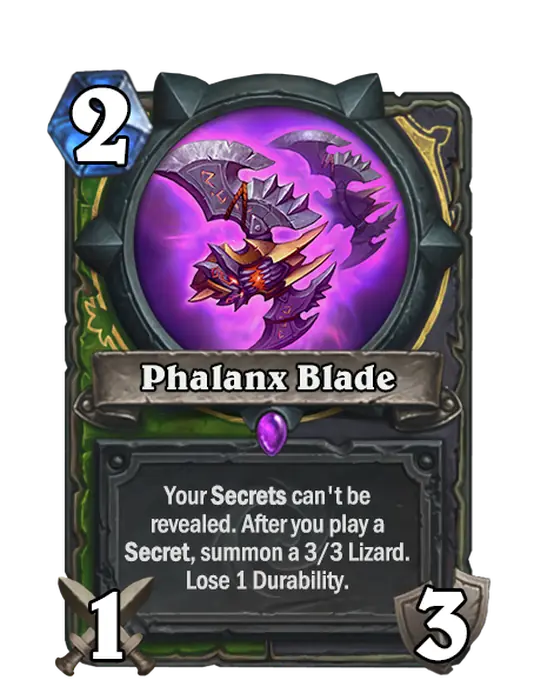
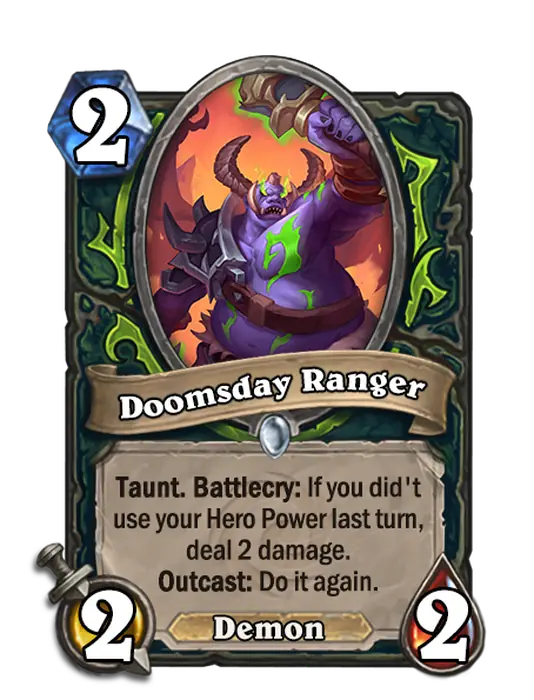
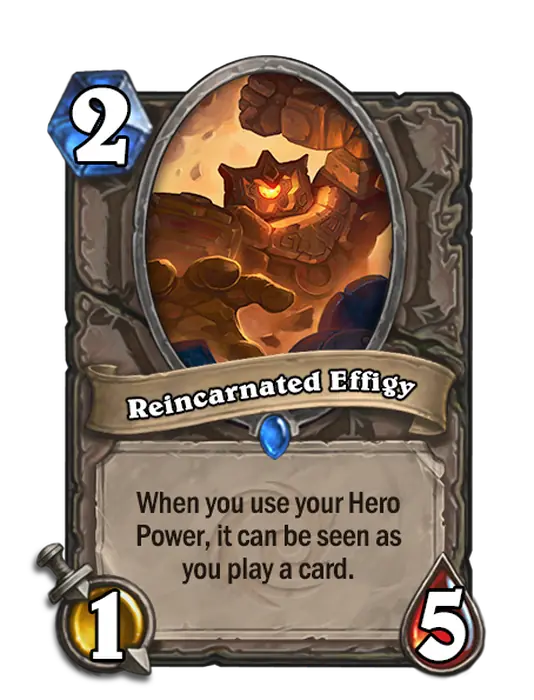
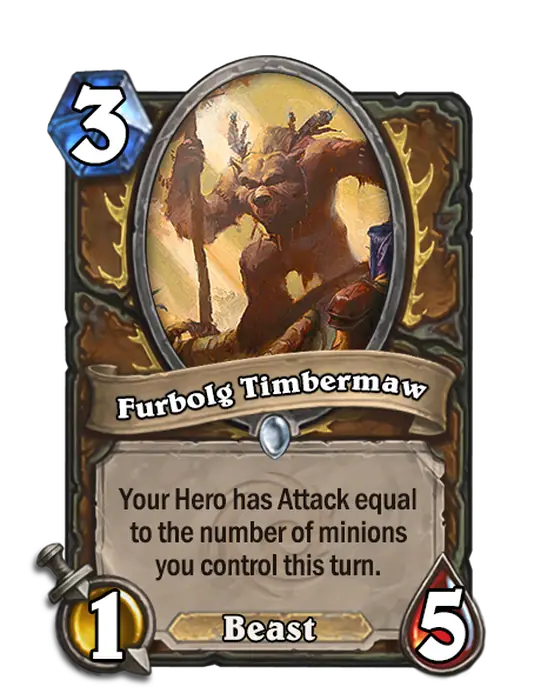
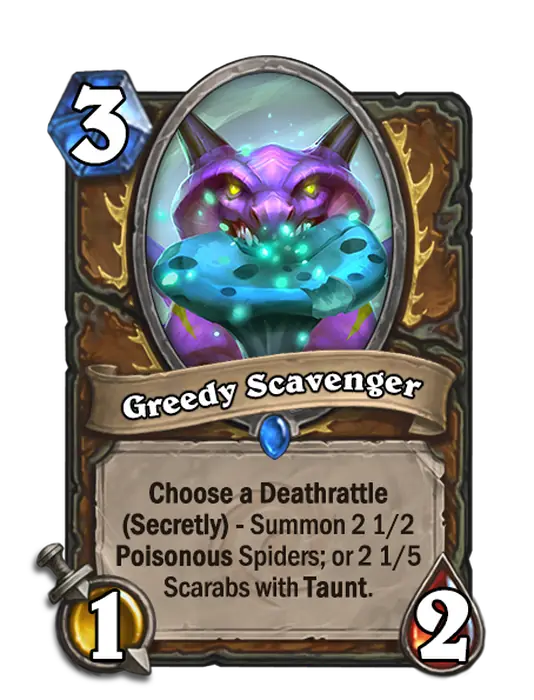
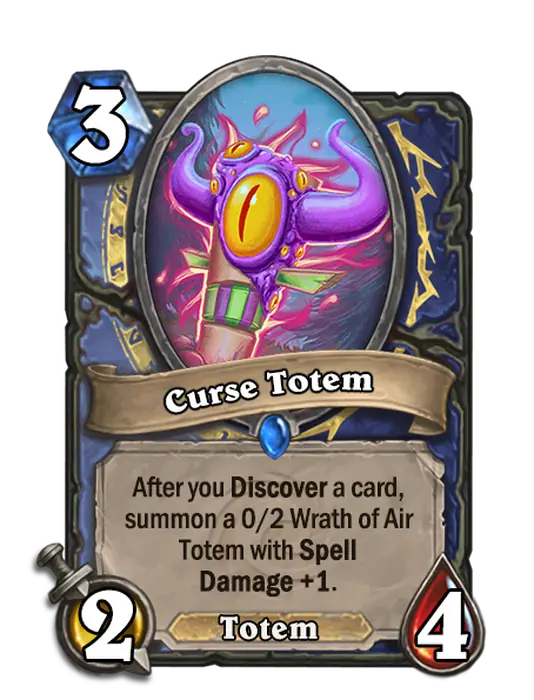
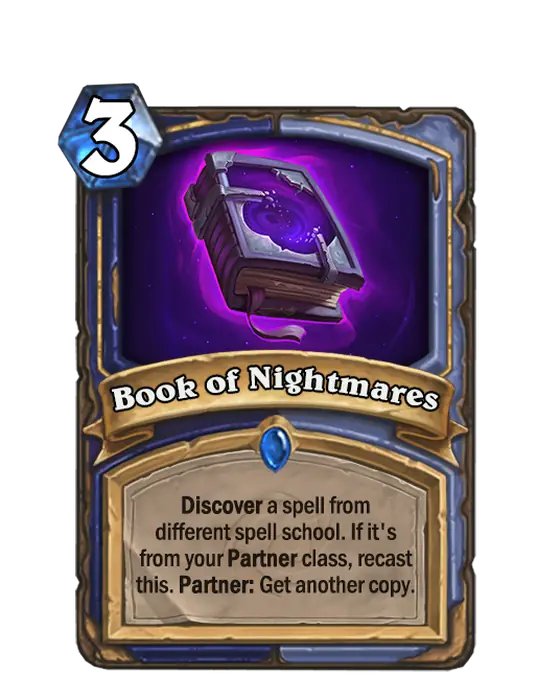
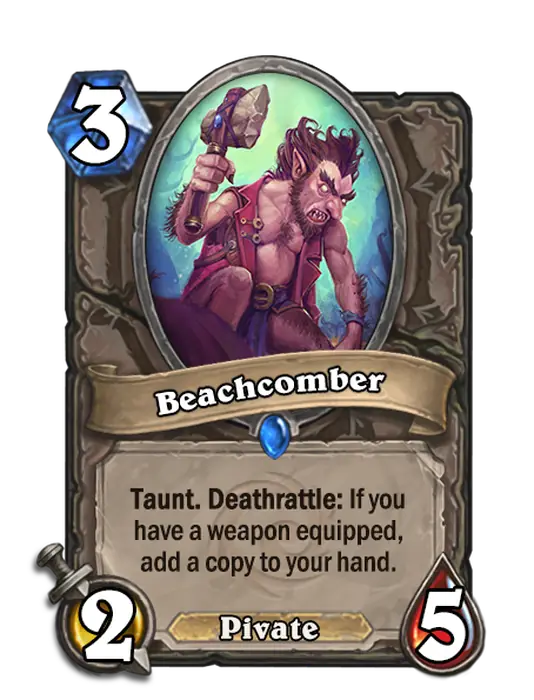
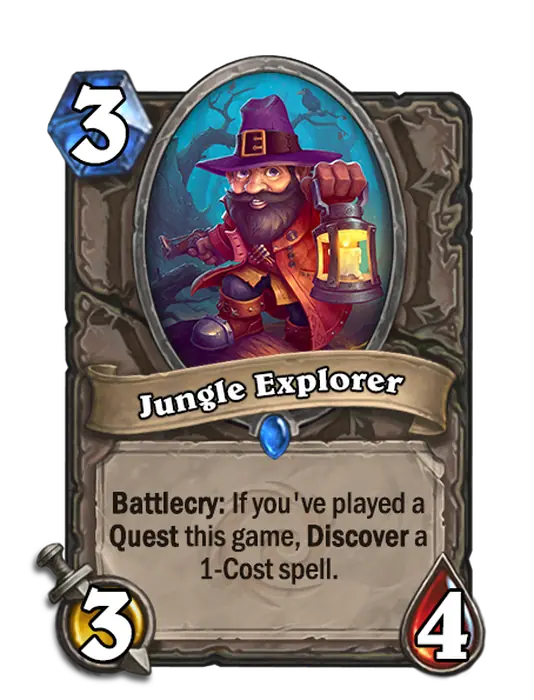
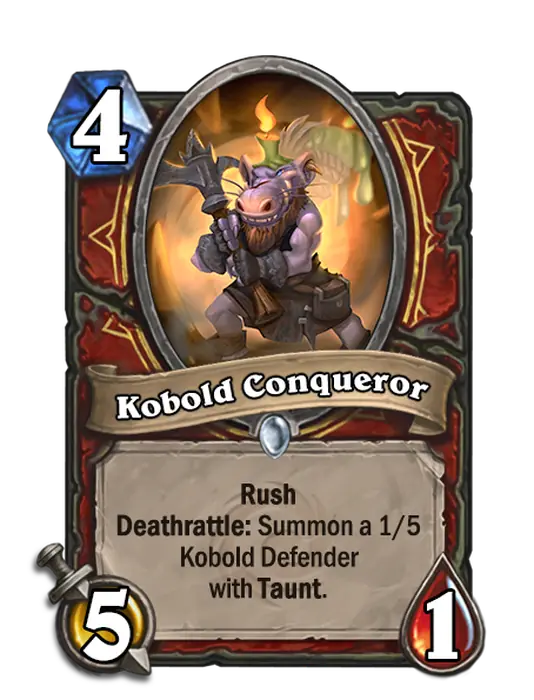
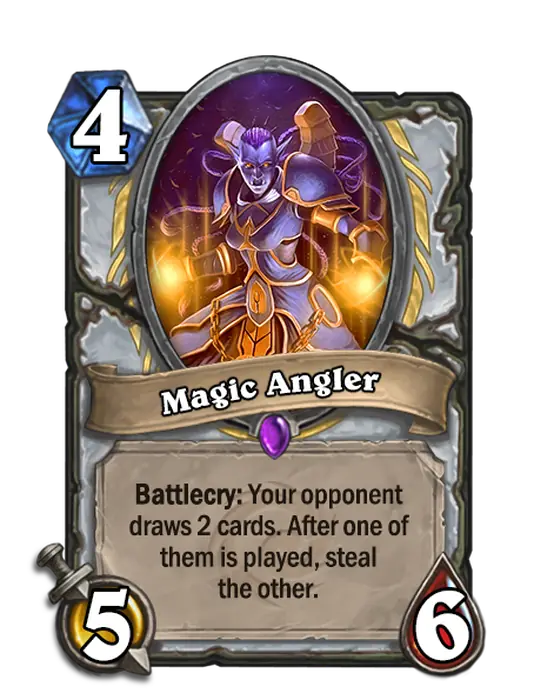
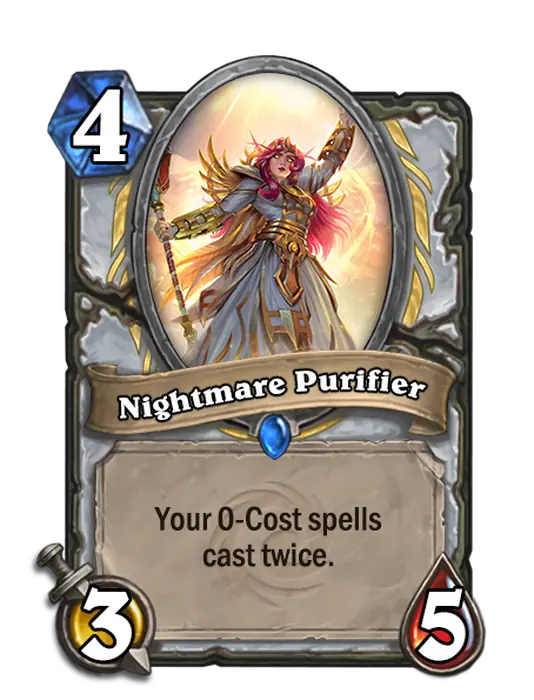
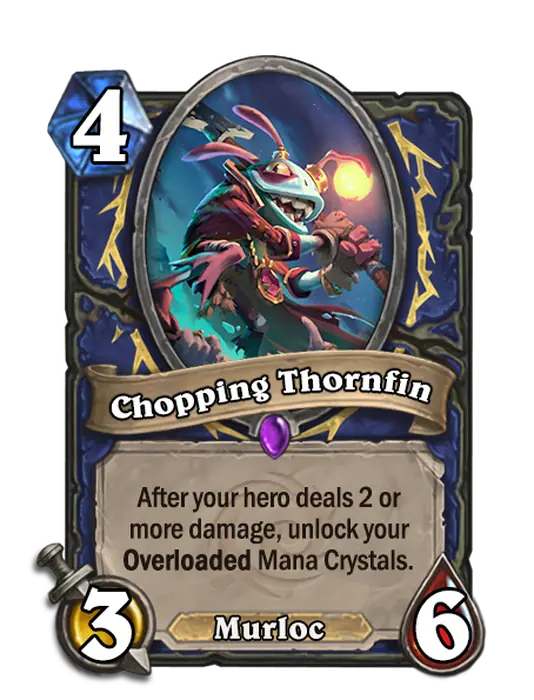
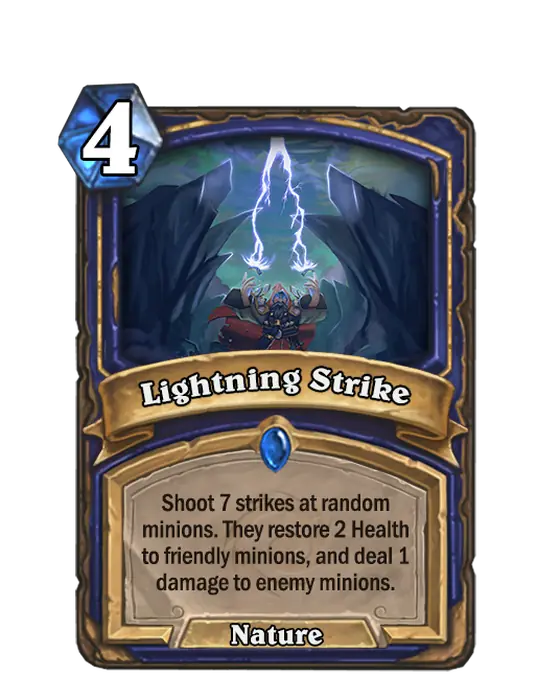
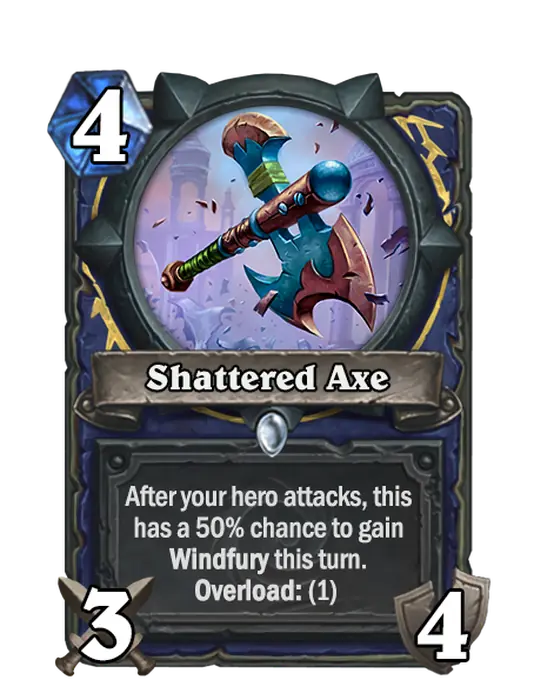
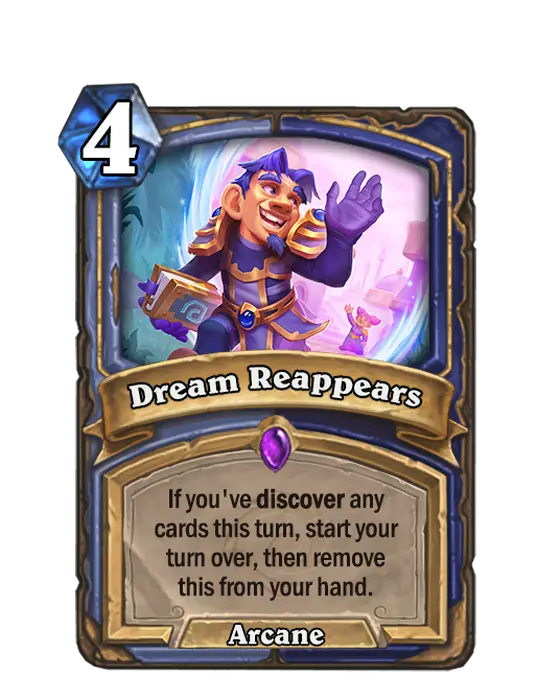
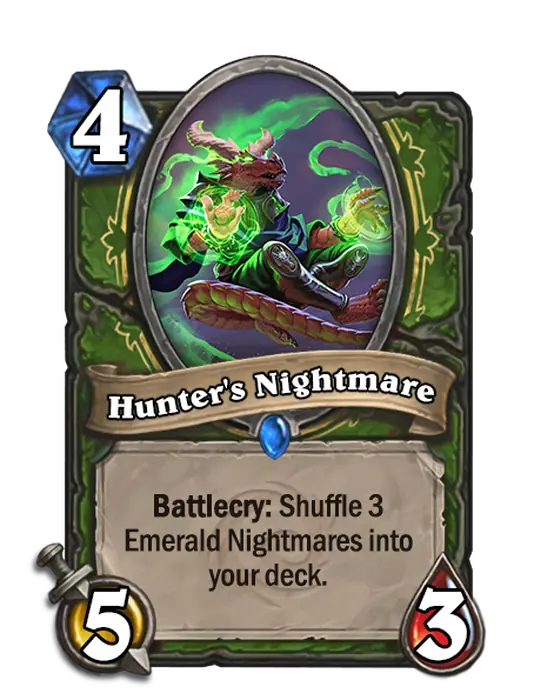
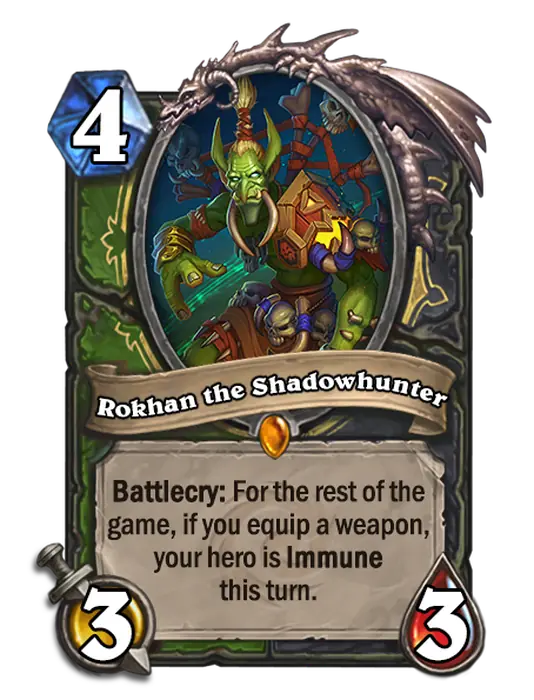
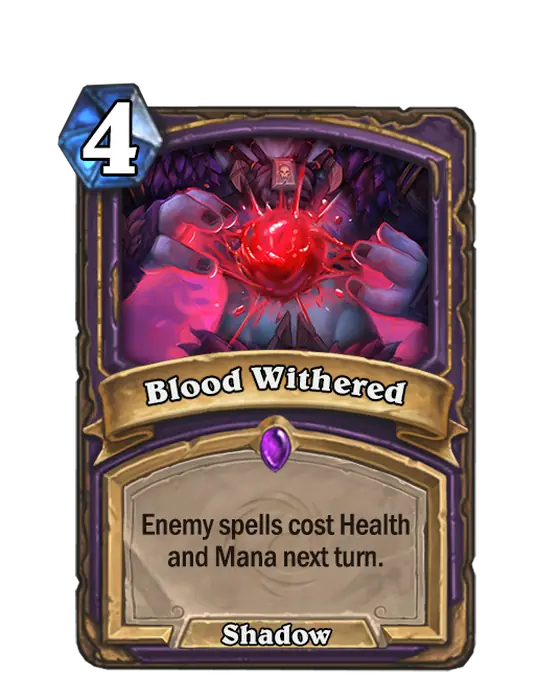
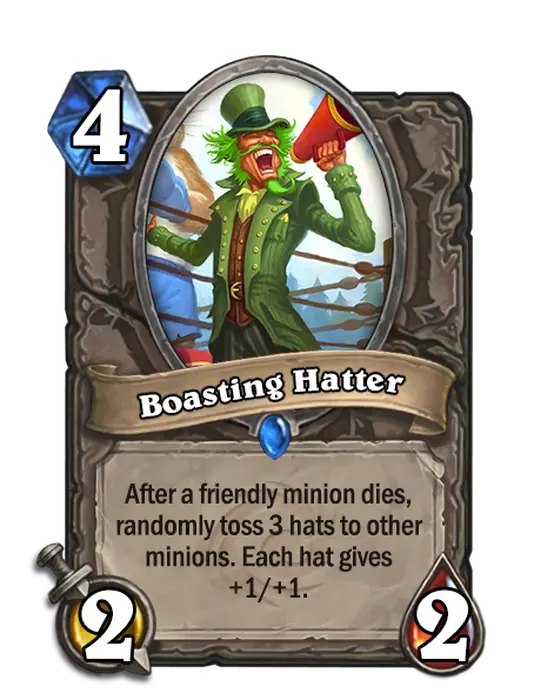
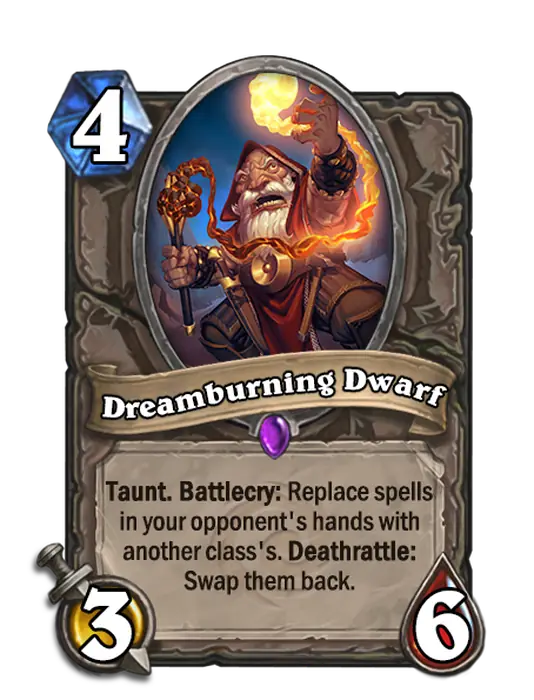
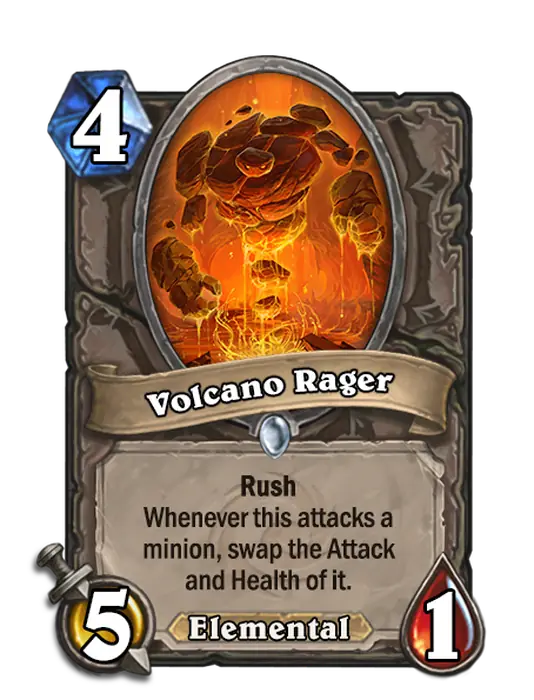
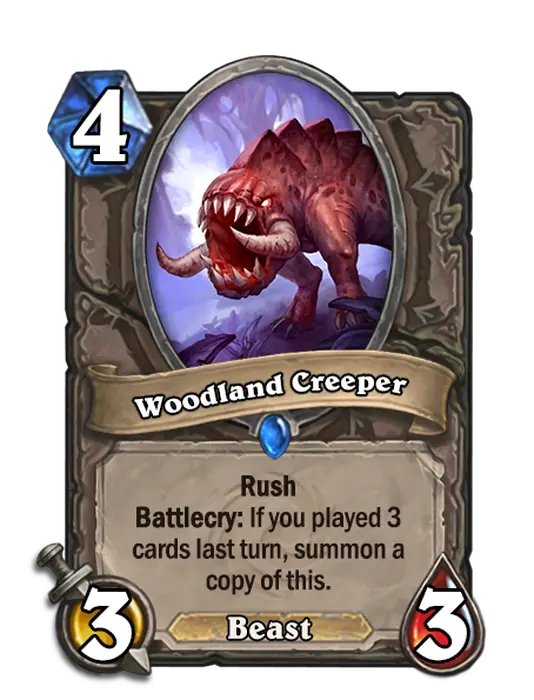
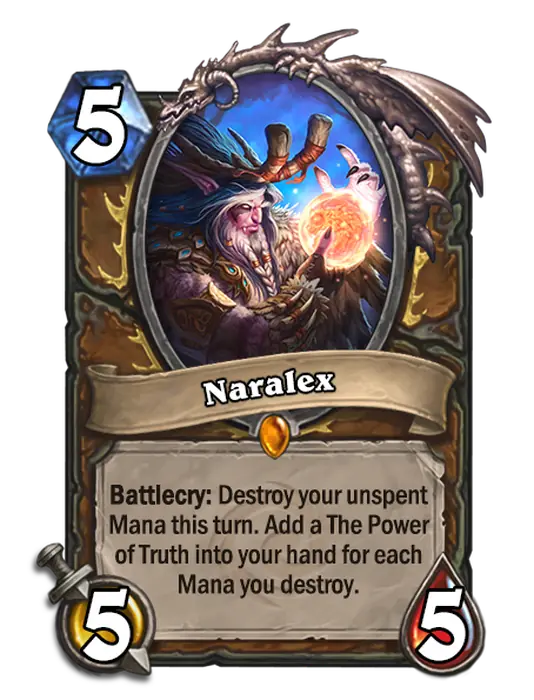
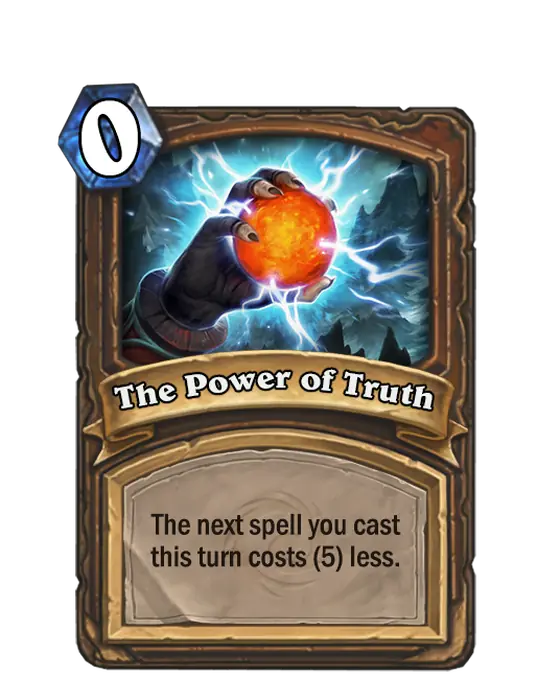
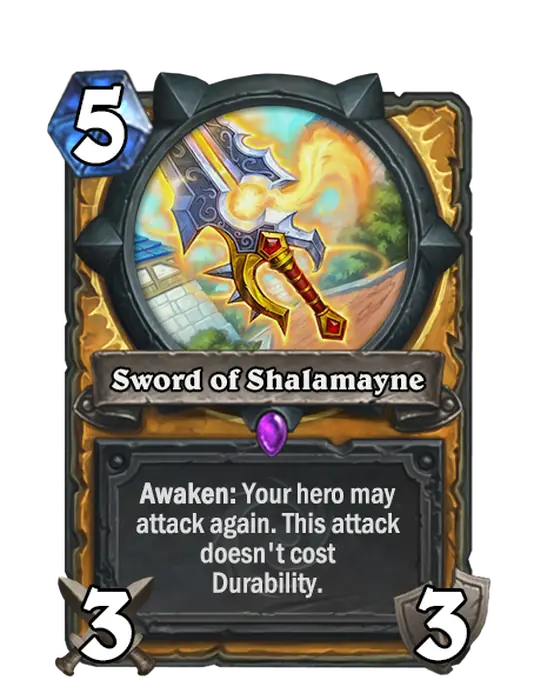
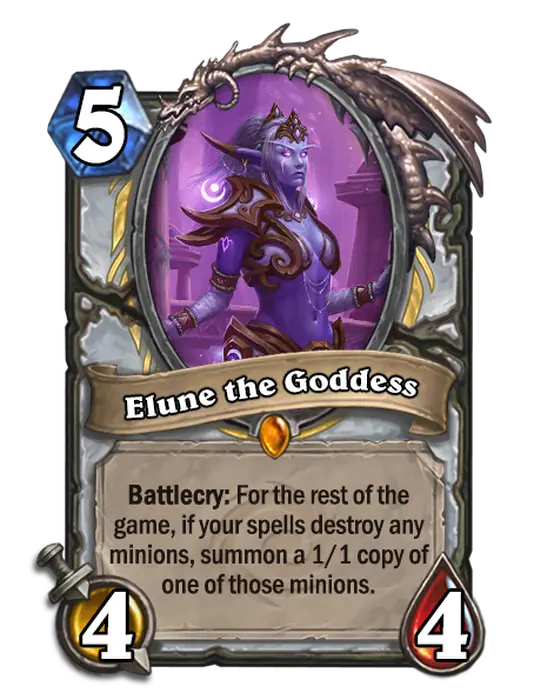
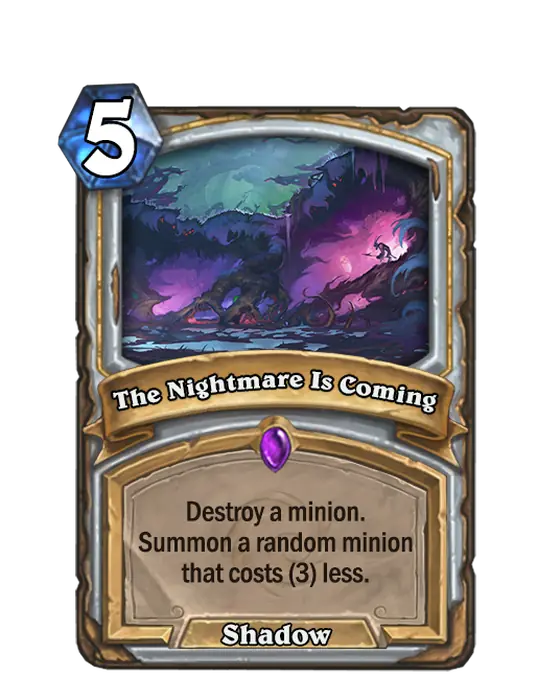
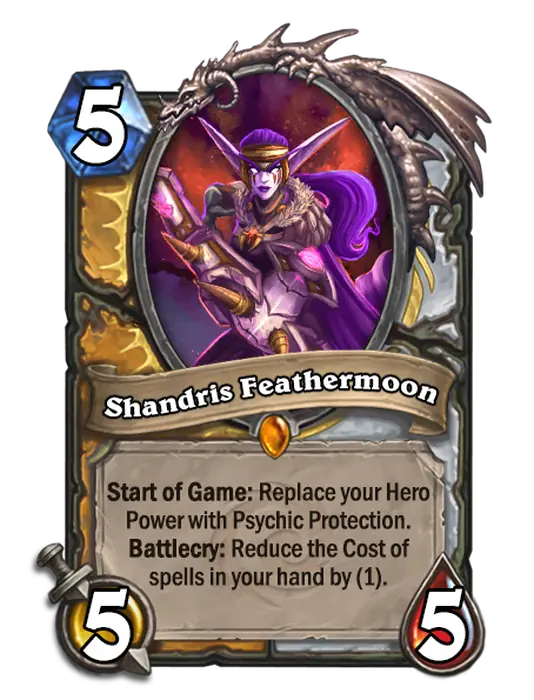
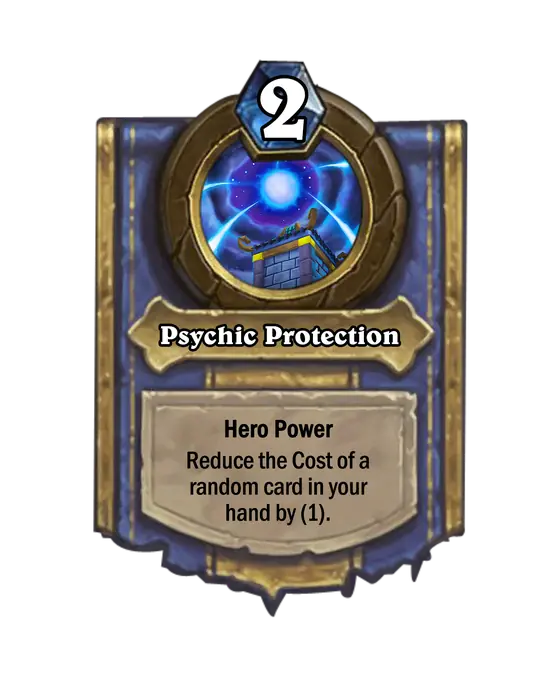
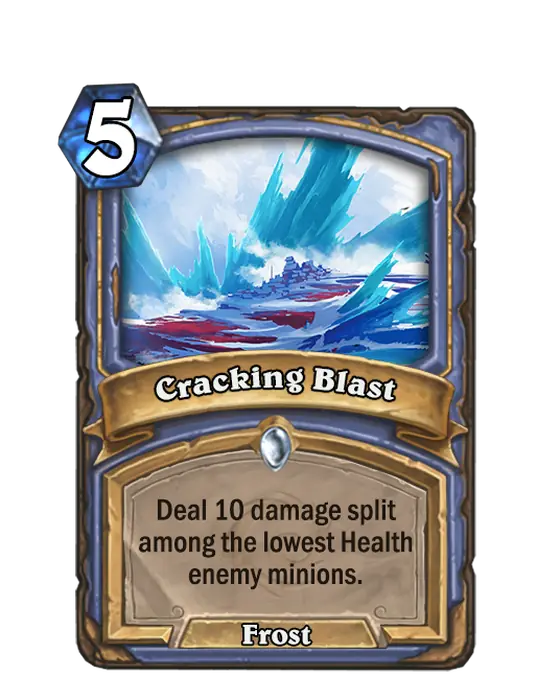
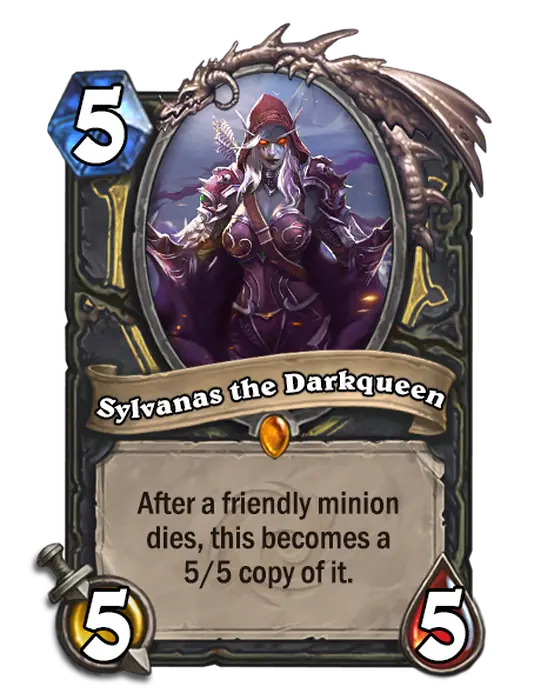
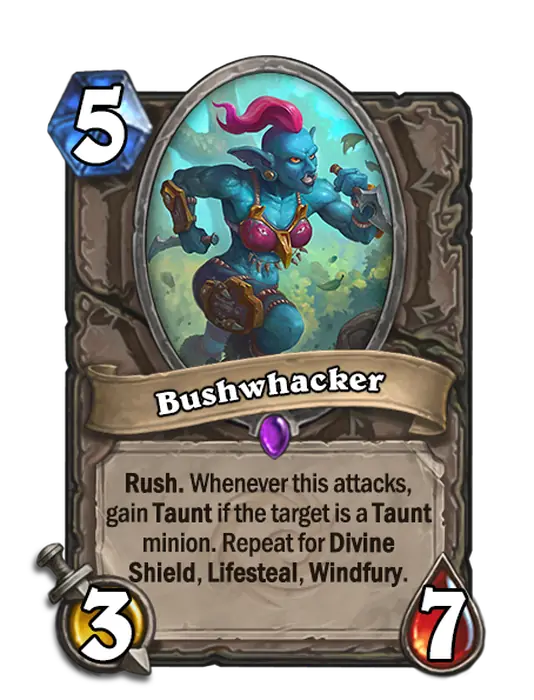
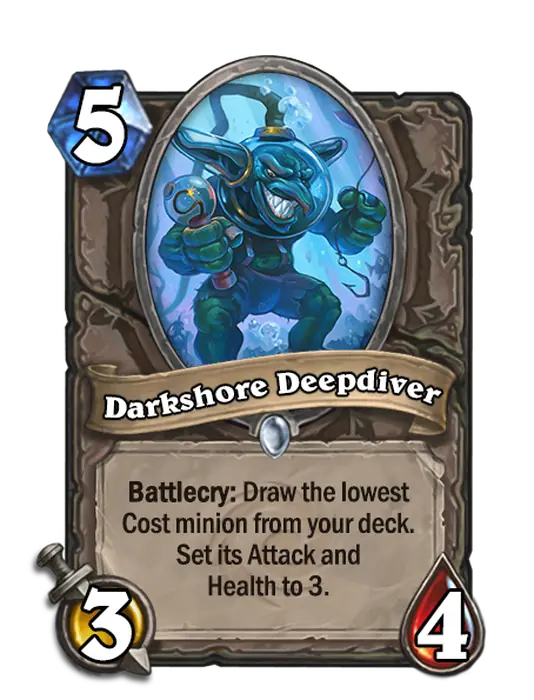
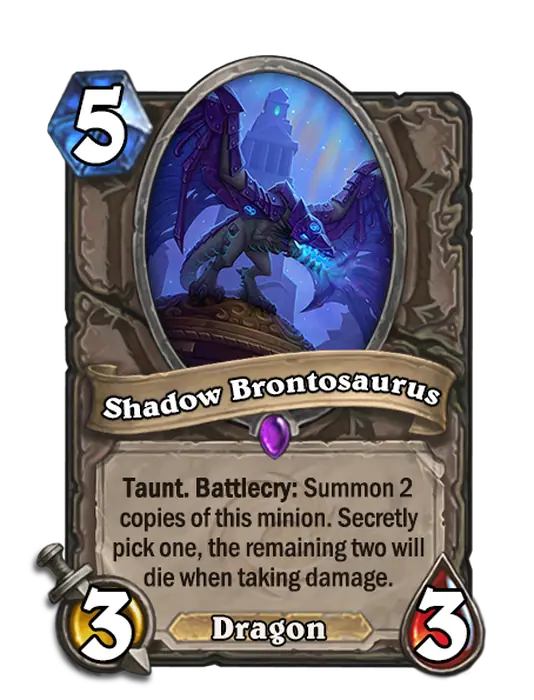
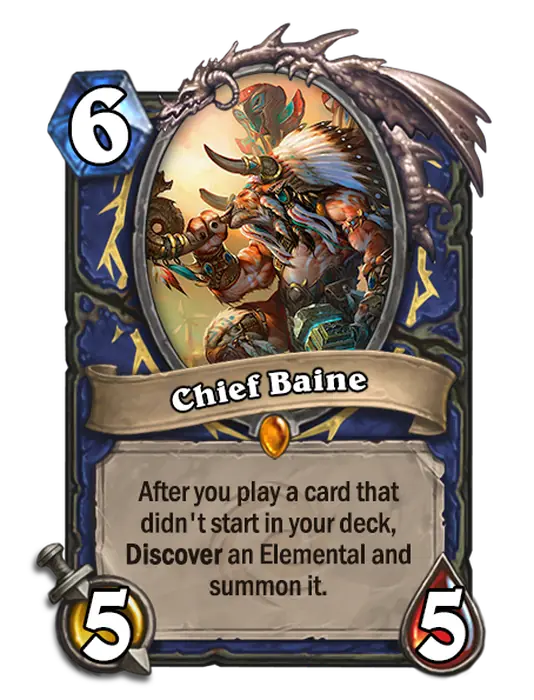
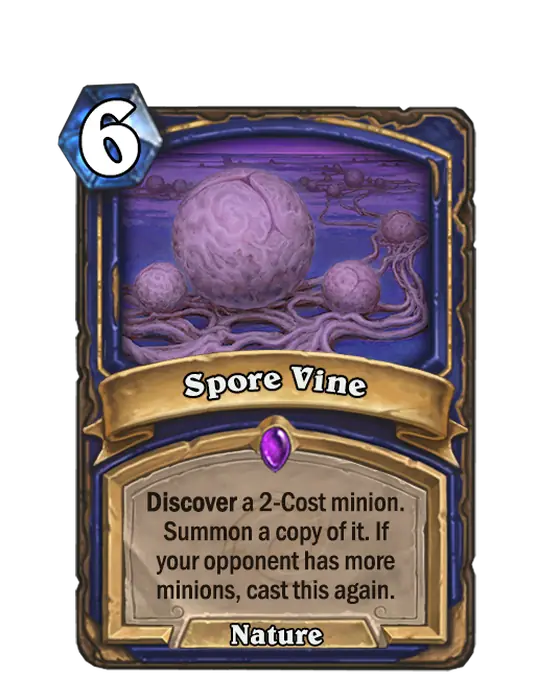
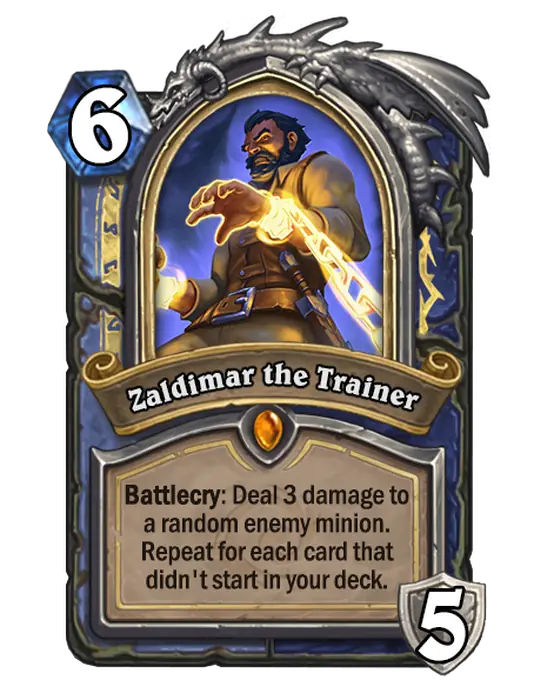
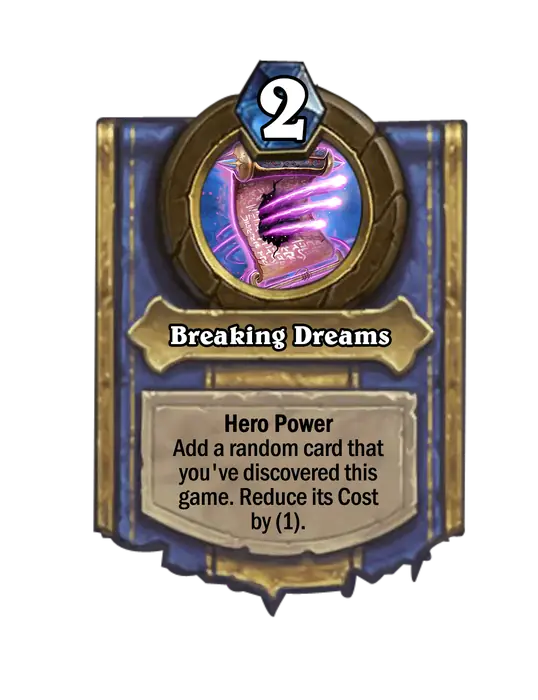
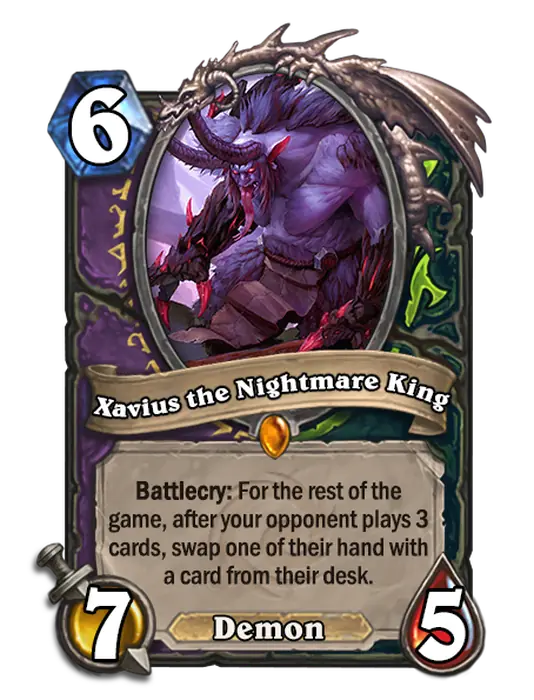
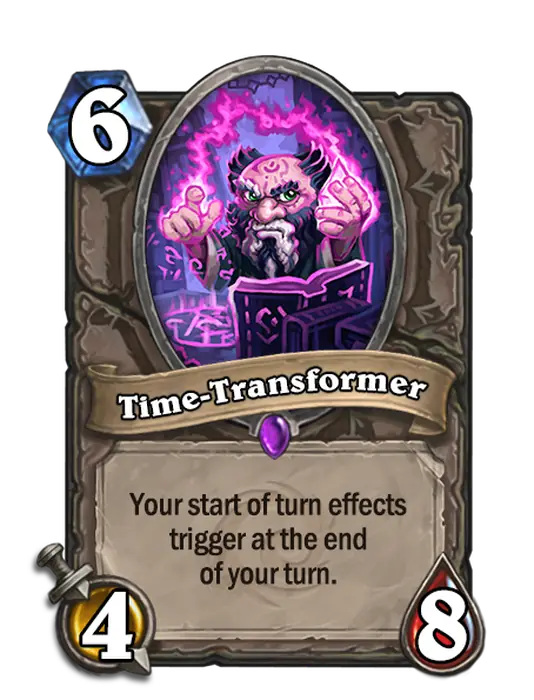
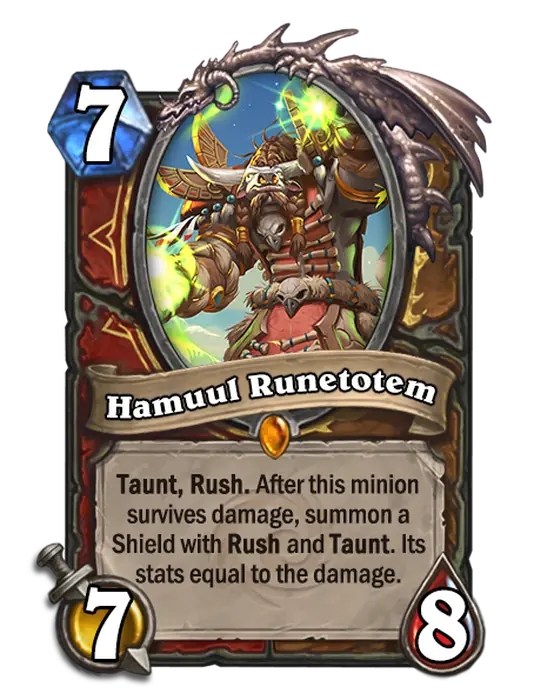
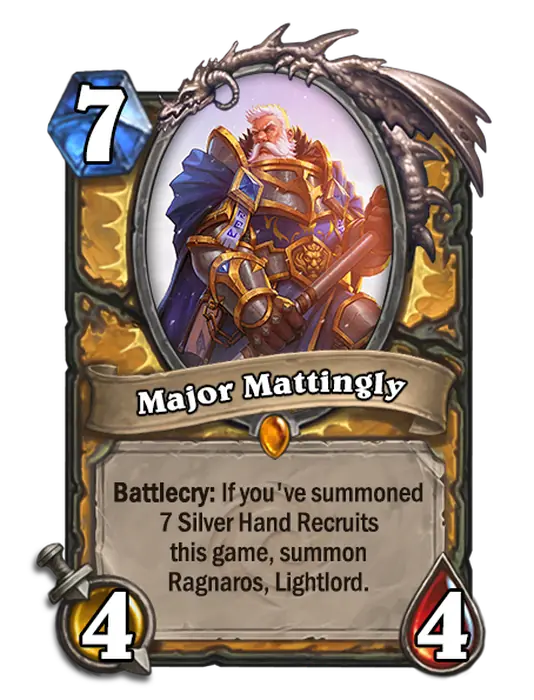
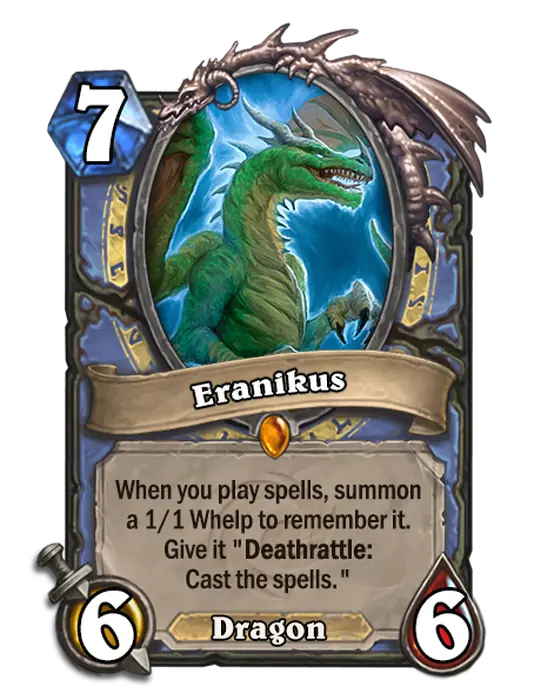
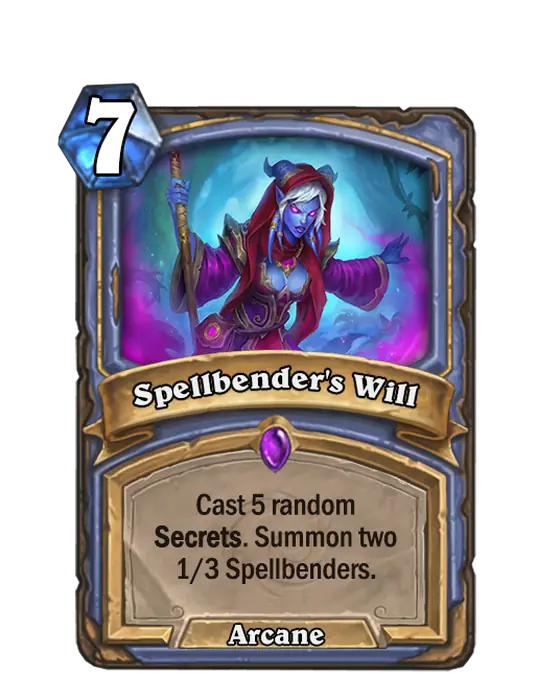
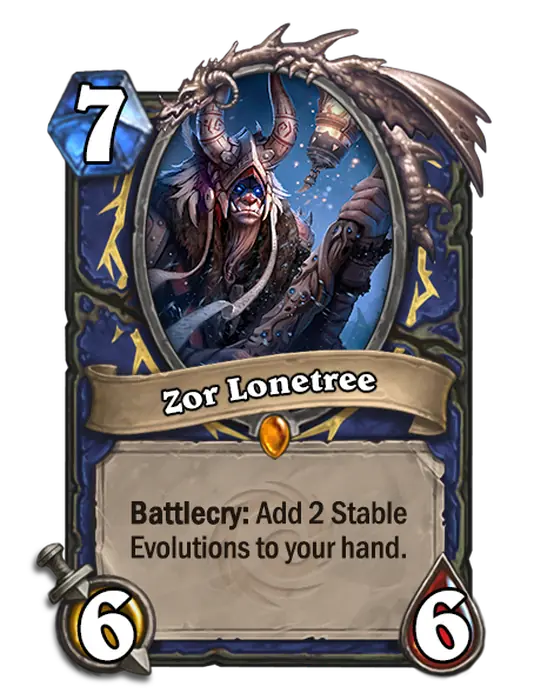
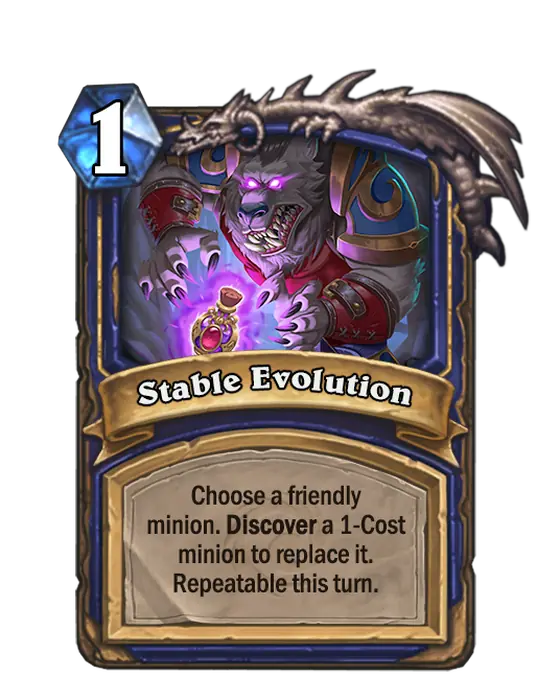
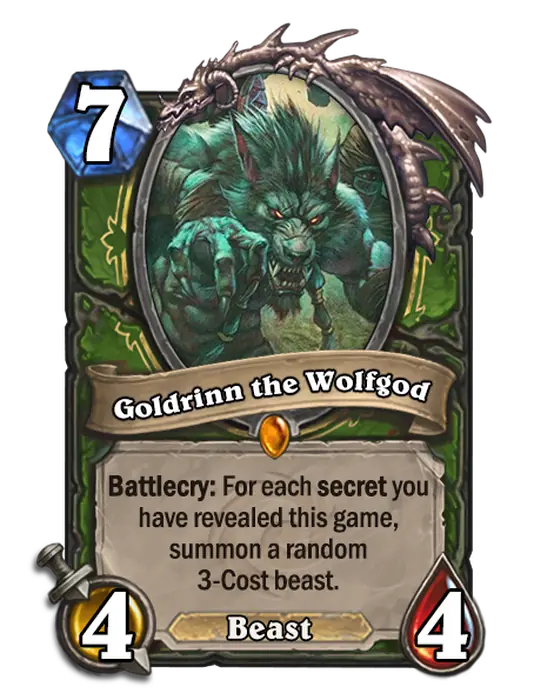
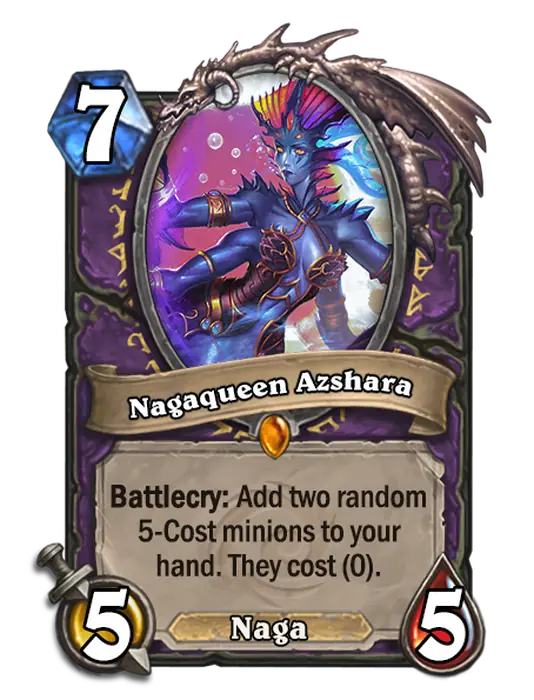
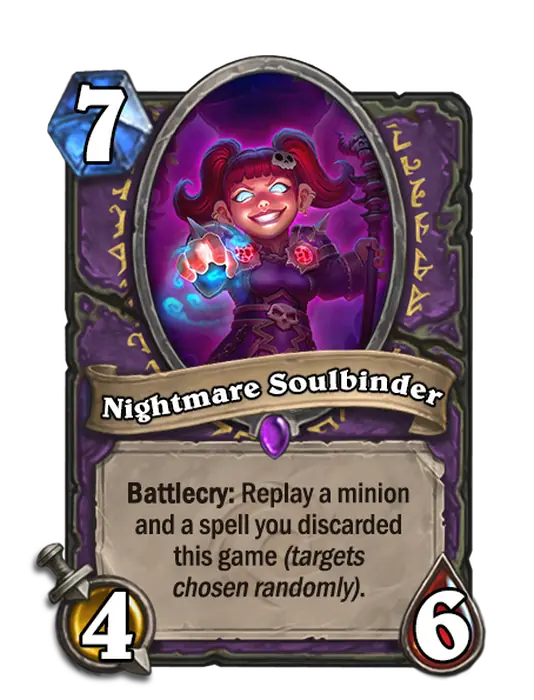
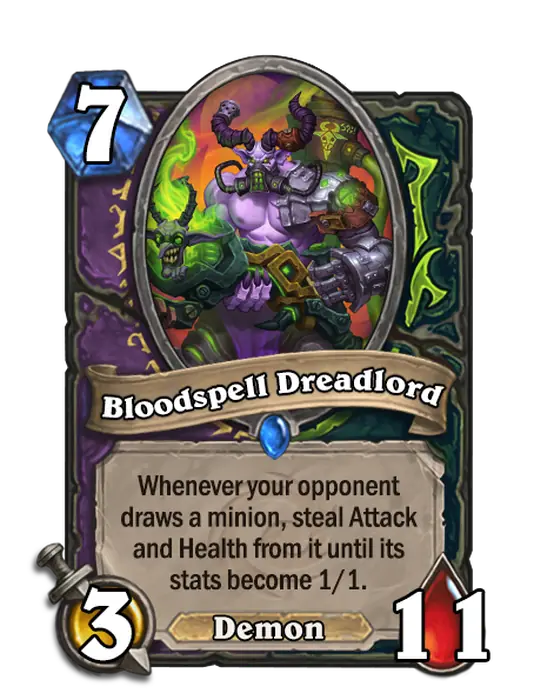
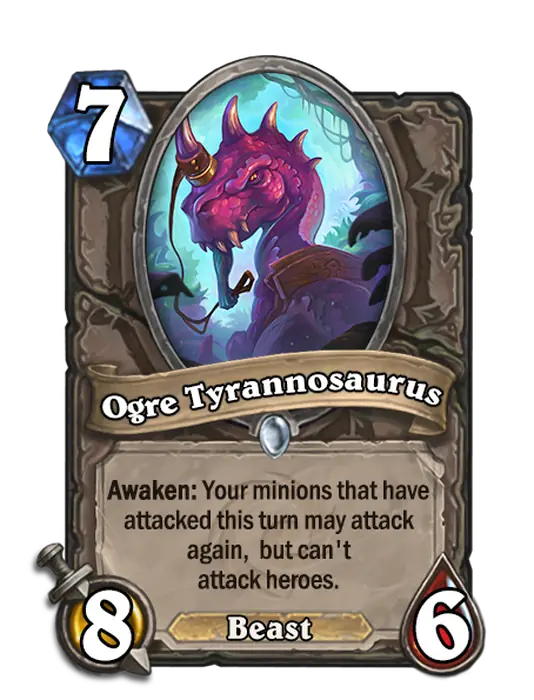
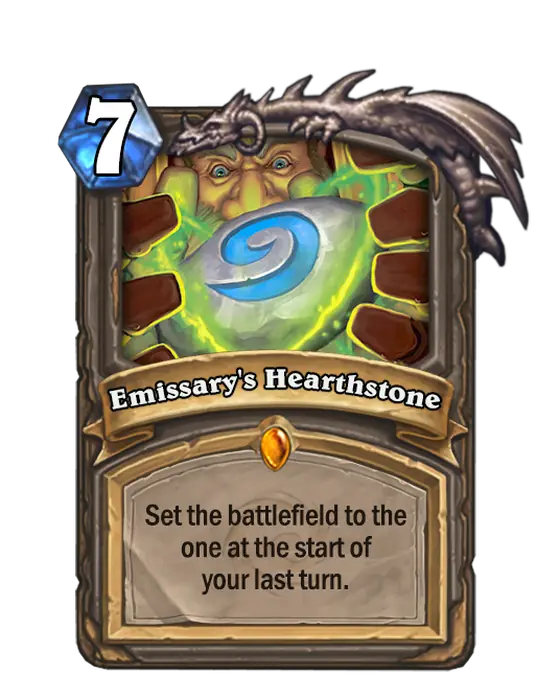
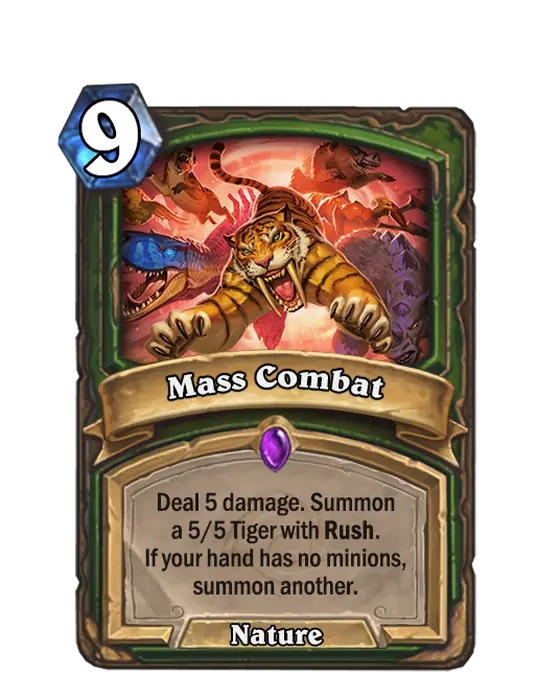
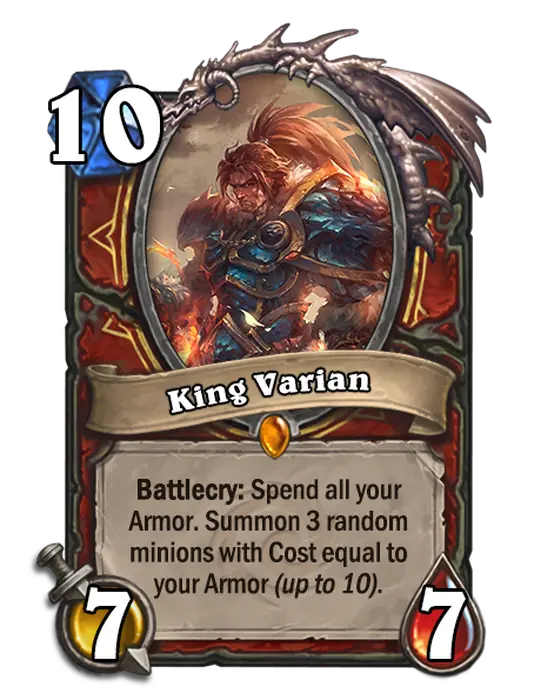
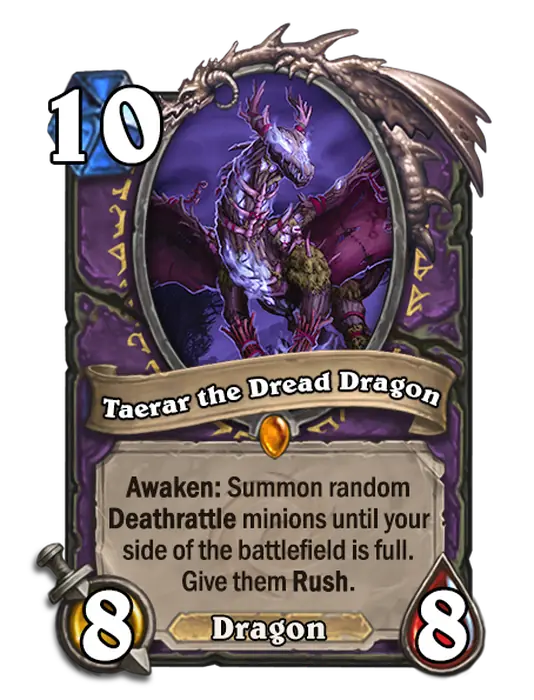
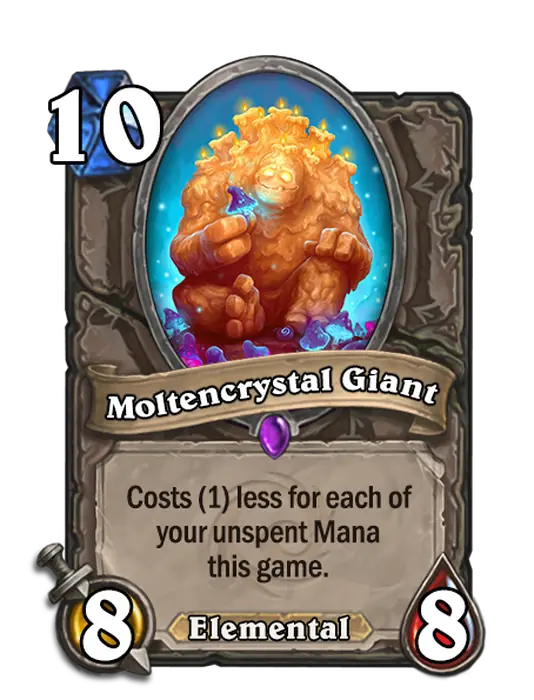
Browse the 130-card set by class and mana cost. The gallery also includes 12 generated spells and two Hero Powers, shown beside their source cards and grouped under those cards’ filters.
Credits
- Skills
- Game systems design
- Rules writing
- Balance design
- Tools
- Excel
- Adobe Photoshop
- Roles
Design
- Zhuoqi Liu
- Note
Hearthstone®, its card frames, its interface, and the Warcraft setting are Blizzard Entertainment’s. Card artwork is a mix of Blizzard’s own work and Hearthstone-style pieces sourced from ArtStation. My contribution covers the expansion’s rules, card text, class pairings, costs, and stats, including adaptations of existing game mechanics. This is unofficial, non-commercial fan work, not affiliated with, sponsored by, or endorsed by Blizzard. Hearthstone, World of Warcraft, and Warcraft are trademarks or registered trademarks of Blizzard Entertainment, Inc., in the U.S. and/or other countries.